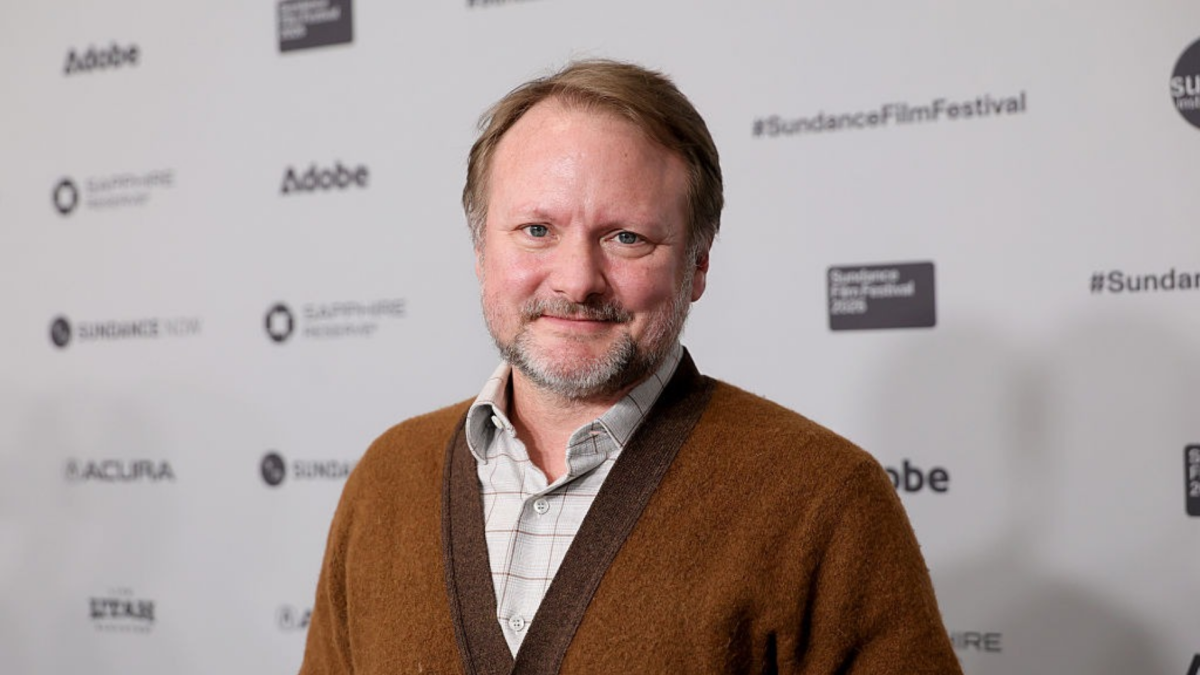
Director Rian Johnson, creator of Knives Out, Glass Onion, and Star Wars: The Last Jedi, released the iOS app Chromagraph Camera by Chromatic Applications LLC: a one-time purchase for $12.99, requiring iOS 17+. One day after the announcement on X, which gathered approximately 6 million views, it rose to the #1 spot in the Photo & Video category in the US App Store. Instead of a filter over standard processing, the camera shoots in RAW and assembles the image using a proprietary pipeline with the signature look of cinematographer Steve Yedlin.

What happened
The Chromagraph Camera app appeared following an announcement on X, where the post gathered around 6 million views, and the next day it topped the Photo & Video category in the US App Store. The camera shoots in RAW and builds the final image using its own processing pipeline, rather than applying a filter to the standard iPhone image: cinematic color, contrast, grain, and halation were designed by cinematographer Steve Yedlin, with the software part written by Eric Cameron. The finished result is only visible after shooting, in the app's gallery. Color, tone, and texture edits are performed over the original RAW and do not destroy it; upon export, the look is baked into JPEG or HEIC, with auto-export to the photo album available, while pure RAW is not provided externally. Video recording and an Android version are not supported; Johnson explains this due to the small team and device heterogeneity.
Context
Halation is a soft glow at the edges of bright areas in a frame, a recognizable attribute of film and cinema camera optics; together with grain and authorial color, it forms the "film" look. The point of the architectural decision is that halation and grain are more correctly modeled on linear RAW data, for example using a luminance mask of bright zones, rather than on an already overcooked standard SDR image, so a proprietary processing pipeline is not a marketing whim but a technically justified choice. Notably, no source mentions machine learning or neural network components: the hype is built around manual color science, not a model, and this is important to clarify to avoid confusing high-quality classic processing with a "smart camera." Against this backdrop, a market shift is significant: iPhone camera apps in recent years have lived mainly on subscriptions, while Chromagraph sells not a set of features, but a specific proven look from specific authors for a one-time price.
Why this matters for the industry
The Chromagraph case proves that a niche creative app without a subscription, but with a professional RAW processing pipeline, can become viral and occupy the top of the App Store: value shifts from subscriptions to a specific proven look and an honest one-time price. Viral distribution through the director's personal brand reduced the cost of user acquisition to almost zero, which is usually unattainable for such niche products. Competitors with subscription-based camera apps face price and value pressure, which they will have to respond to while the viral wave is alive. For on-device pipeline developers, this is a case reference: asynchronous processing after shooting, non-destructive edits over RAW, and a conscious narrowing of functionality for quality. A likely, but currently hypothetical scenario for the coming months is a wave of imitations in the "authorial look for a one-time purchase" niche: preset packs and individual apps from colorists and cinematographers.
Why this matters for users
The app is aimed at iPhone owners with iOS 17+ who need a "cinematic" look in photos without manual color correction: paying $12.99 once, without a subscription, you shoot as usual, then open the gallery and see the frame in color, grain, and halation in the style of Johnson and Yedlin's films. Control handles are limited but meaningful: color, exposure, grain, and halation. Since edits do not destroy the original data, the frame can be re-colored without losing the quality of the source. Limitations are practical: video cannot be shot, pure RAW cannot be obtained as output, and there is no Android version—the tool is unavailable to users on other platforms.
What is currently unknown / limitations
Image quality assessments are currently unconfirmed: there are no benchmarks, no side-by-side comparisons with LUT presets or analogs, no technical documentation of the pipeline, so claims about quality should be considered marketing until independent comparisons; the only implicit guarantee is the authors' reputation. It is also unconfirmed that processing happens entirely on-device: sources contain neither confirmation nor denial of network calls, so statements about a "deterministic fully autonomous pipeline" remain an interpretation of the architecture, not a verified property. Independent verification is further complicated by the fact that RAW is not provided externally. It is unknown how the small team will handle the viral load—support, crashes, and reviews—demand sustainability is in question, and predictions about a wave of clones and "authorial looks" are hypotheses, not established facts.
Sources
- Rian Johnson's iPhone Camera App "Chromagraph" Goes Viral — MacRumors
- Rian Johnson's camera app gives your iPhone photos 'Knives Out' colour grading — Mashable
- Chromagraph — Chromatic Applications (official site)
Author
Look at AI, editorial team