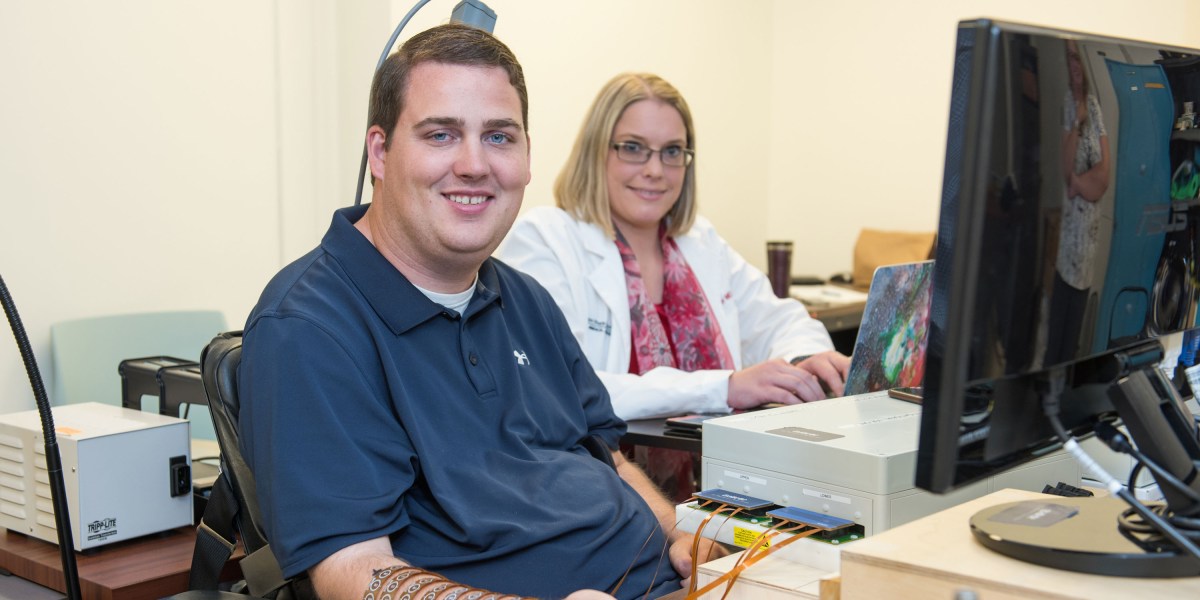
On November 10, 2026, the BCI Pioneers Coalition—a community of the world's first participants in clinical trials of implantable neurointerfaces—published a 13-page document titled "OUR BCI: Recommendations for Ethical Implanted BCI Research" with recommendations for researchers, sponsors, and ethics committees. In it, participants formulated requirements regarding compensation for their time, co-authorship of scientific publications, protection of neural data as personal information, the prohibition of NDAs that prevent sharing data with doctors, and support for implants after trials end. This is the first ethical standard for BCI research created by the implant participants themselves, rather than solely by bioethicists. The coalition is led by Ian Burkhart, the first person to control a hand via an implant in the motor cortex.


What Happened
The 13-page "OUR BCI" document, version 1.0, covers 13 categories of requirements and is addressed to researchers, sponsors, and ethics committees preparing and approving protocols for implantable neurointerface trials. One category concerns compensating participants for time spent in trials: according to coalition materials, such research took 8–12 hours per week for Ian Burkhart. Specific points secure participants' rights to co-authorship of scientific publications and the protection of neural data as personal information. The coalition also insists on waiving NDAs to the extent they prevent participants from sharing data with their doctors, and on the obligation to support implants for a "reasonable period" after trials conclude. The coalition is led by Ian Burkhart and a professor of neuroethics at the University of Ottawa.
Context
Implantable neurointerface trials are fundamentally tied to people: every operation, session, and neural recording is provided by a specific volunteer, and no data repository is built without their long-term consent. Ian Burkhart, who leads the coalition, became the first person in 2014 to control a hand via an implant in the motor cortex based on a 96-electrode array, and participated in the project until 2021, when the device had to be removed due to infection. His story is a direct illustration of one of the document's main requests: a participant remains with the device in their body even after the official end of the research, and the question of its further fate was not previously codified in the rules. There is still no legal answer to this and neighboring questions: UN-level initiatives and the American MIND Act have not yet reached mandatory norms regarding neural data and the fate of implants after trials. The coalition proposed a workaround for the industry: rather than waiting for laws, to codify conditions as recommendations that researchers, sponsors, and ethics committees can rely on when approving new protocols.
Why This Matters for the Industry
For the BCI industry, the document is not a release or a new model, but a change in the operational context of trials. Since participants remain the sole source of neural recordings for training decoders, they now have a common list of conditions to reference when recruiting for new studies and drafting data agreements. Compensating participants' time becomes a standard budget item: it must be planned in advance, which also solves the problem of retaining people in longitudinal studies where a dropped participant breaks the data series. The co-authorship requirement increases transparency and verifiability of reporting but forces a review of standard data rights agreements. The most sensitive point for ML teams is the protection of neural data as personal information: neural recording datasets will no longer be freely aggregatable and reusable across labs and companies, and consent boundaries will become part of dataset pipelines and collaborative research planning. These norms can only become a de facto standard if voluntarily adopted by major teams like Neuralink, Synchron, and Blackrock Neurotech; until then, startups get a free guideline on how to structure trials to avoid having to redo consents, agreements, and device support plans later.
Why This Matters for Users
For readers, the document is useful even without an implant: it shows the rules by which the next waves of BCI devices will be built if the recommendations are adopted. Future trial participants are guaranteed that participation is paid work, not charity: time spent on sessions must be compensated, shifting the person from the position of a "research subject" to that of a partner. The right to co-author publications secures the participant's contribution to science by name, not anonymously. Neural data are equated to personal information to the same extent as medical records, so access to them cannot remain a closed practice of a single lab. Waiving blocking NDAs means a participant can freely tell their doctor about the device and the data it collects, and the obligation to support implants for a "reasonable period" answers the question of what happens to the device after the project. The bottom line for someone merely considering participation is a ready-made list of conditions to negotiate before signing consent.
What Is Still Unknown / Limitations
There are three reasons for caution in drawing conclusions. The document has no legal force: these are voluntary recommendations from participants, not a regulator, and open sources have not yet recorded reactions from trial sponsors, so the claim that these norms will become a de facto standard before regulation remains an extrapolation. The formulation of a "reasonable period" for implant support does not set an exact duration, so sponsors' actual obligations after trials end remain undefined. Finally, the 13 categories of requirements were developed by a small, self-selected cohort of pioneer implant users: this is a valuable but non-representative user study, and its findings cannot be extrapolated to future mass users of neurointerfaces.
Sources
- More autonomy, fewer NDAs: Volunteers have new requests for brain implant trials — MIT Technology Review
- OUR BCI: Recommendations for Ethical Implanted BCI Research — BCI Pioneers Coalition
- BCI Implant Recipients Release Ethical Recommendations, Calling for Greater Control Over Neural Data and Device Ownership — The Debrief
Author
Look at AI, editorial team