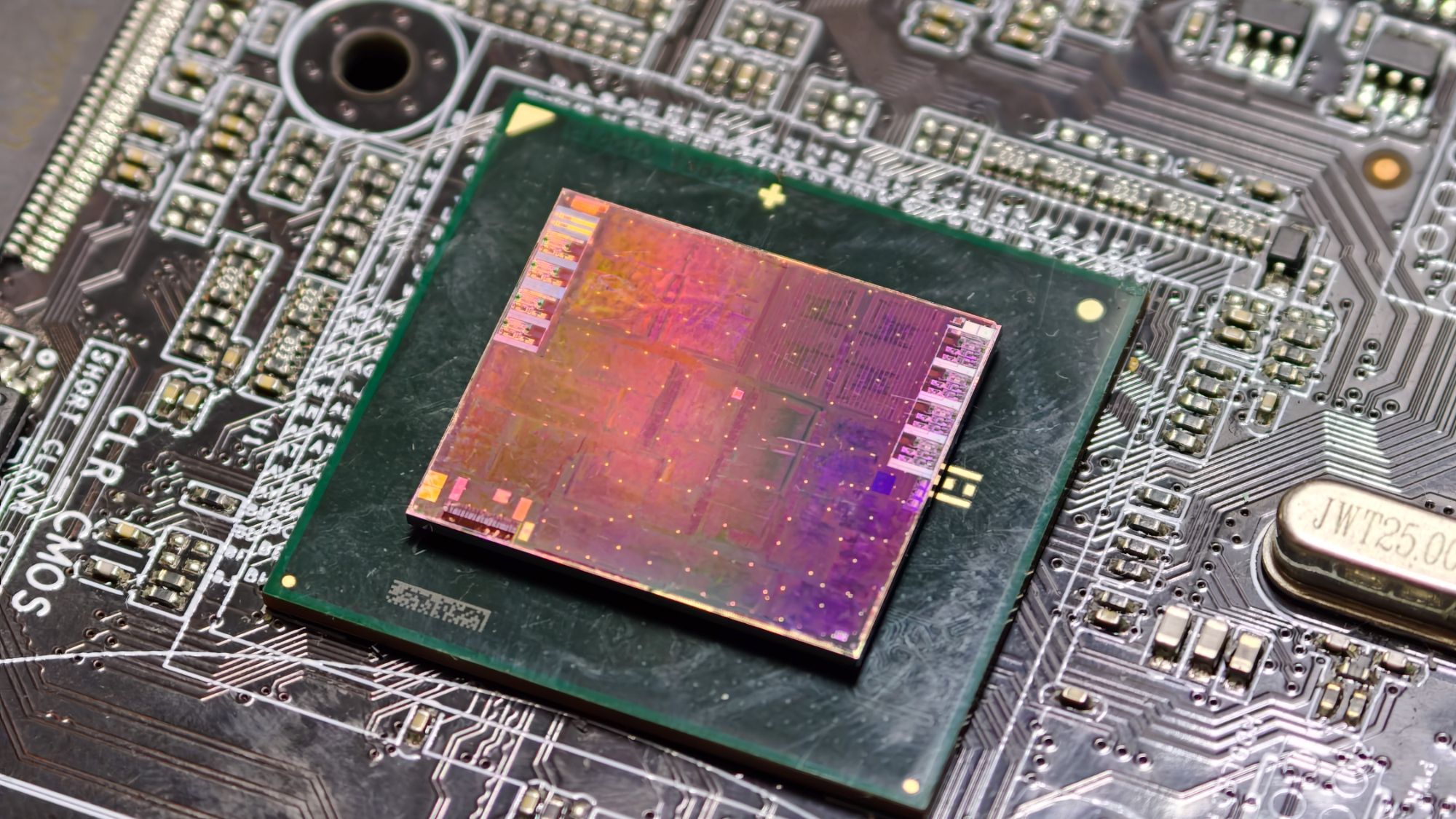
The artificial intelligence frenzy has reached the very foundation of electronics: demand for AI servers has triggered an acute shortage of printed circuit boards (PCB) and copper-clad laminates (CCL), the materials from which these boards are manufactured. According to Nikkei Asia (October 27, 2026), one leading Taiwanese CCL supplier has its order book filled until 2030, while manufacturers of standard PCs, graphics cards, and motherboards have found themselves at the back of the queue. A problem that seemed like a data center concern could reach retail in the coming years, affecting prices and delivery times for computer hardware for ordinary consumers.
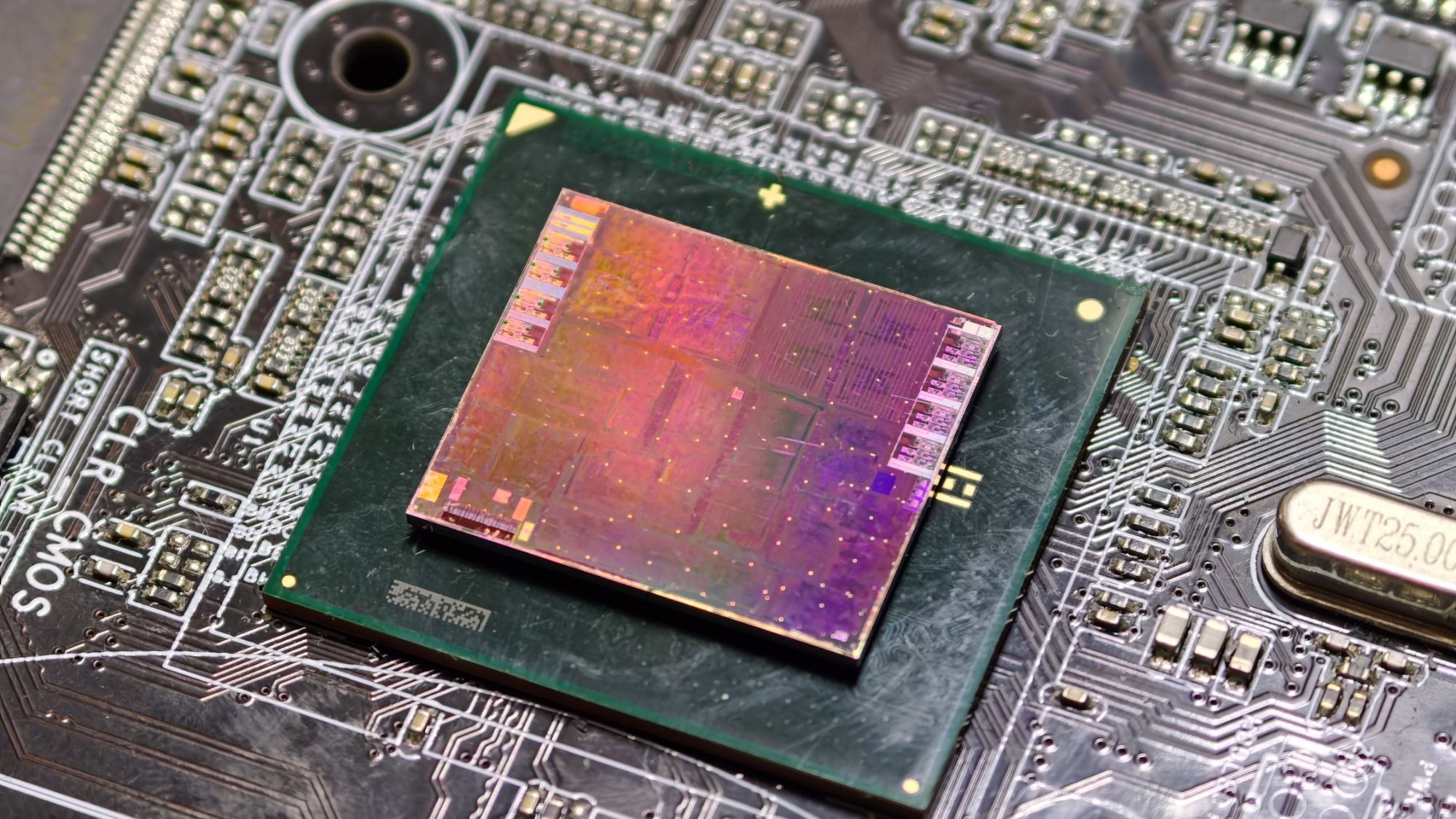

What happened
Nikkei Asia reported on October 27, 2026, that demand for AI servers has absorbed nearly all available capacity for producing complex multilayer printed circuit boards and copper-clad laminates, with standard PC production hit first. One leading Taiwanese CCL supplier has its order book filled until 2030, even though the company plans to triple production capacity by 2028. Lead times for some PCB orders reach 30 months: batches ordered now will not be fulfilled until the end of 2028. A Taiwanese PC manufacturer estimated that the cost of CCL has increased at least 12-fold since July 2026. Simultaneously, competition for specialists in the PCB industry has intensified, with engineer salaries rising by 20–30%.
Context
High-complexity multilayer boards have historically served both the server segment and consumer electronics, and until recently, the scarce resource in the industry was considered to be the chips themselves, rather than the materials and boards for them. Now, major customers are securing production niches for themselves: Nvidia has signed agreements with chip substrate manufacturers Ibiden from Japan, Samsung Electro-Mechanics from South Korea, and Unimicron from Taiwan, with Unimicron planning to increase capacity by 2.5 times over three years. Such deals mean that the most solvent players are securing their place in production queues in advance, which previously also served the consumer segment, leaving the rest with whatever spare capacity remains.
Why this matters for the industry
For the industry, this is a structural shift, not a one-off supply disruption: the bottleneck in scaling compute has shifted from chip production to boards and materials, and AI infrastructure has become the primary consumer of advanced lines, displacing consumer electronics. Until the announced expansions come online, the availability of compute is determined by materials, so the shortage must be factored into plans as a long-term reality rather than a temporary delay. The most painful aspect for engineering teams is the extended planning horizon: intentions to deploy or expand in-house hardware in the next couple of years are now queued up before the project even starts. Anything tied to proprietary servers—edge devices, local inference, custom builds—will be dependent on supplier queues for years, and procurement plans should be reviewed with the understanding that realistic delivery horizons are measured in years, not quarters; purely software products are currently feeling little of this pressure.
Why this matters for users
For ordinary users, the consequences will become noticeable later, but predictably: graphics cards, motherboards, and pre-built PCs may become more expensive in 2027, and delivery times may stretch, as GPU boards use multilayer PCBs similar to those in AI servers and compete for the same production lines. Those who build or upgrade computers should plan for longer lead times for components and a higher budget than before. If an upgrade is planned for 2027, it is wise to monitor prices and lead times dynamically to avoid making a decision at the moment when the gap between AI and consumer demand for capacity is at its maximum.
What is currently unknown / limitations
A key caveat concerns the figure of a 12-fold increase in CCL costs: this is the statement of one Taiwanese PC manufacturer, and the sources do not provide a methodology—it is not specified which grade of laminate is being discussed or what sample size the conclusion is based on, so the figure should be treated as a single piece of evidence rather than confirmed market data. The pass-through of material cost increases to retail prices for graphics cards and PCs, and the stretching of lead times in 2027, is a forecast by analogy, not a recorded fact. The announced capacity expansions remain company plans, and relief by 2028 is possible only if AI demand does not continue to outpace the introduction of new lines. Finally, the order book filled until 2030 describes one leading supplier and does not necessarily characterize the entire PCB and CCL market.
Sources
- Nikkei Asia — AI boom sparks circuit board crunch across global tech supply chain
- Tom's Hardware — AI demand triggers massive PCB shortage for PC makers as order books full until 2030
- Startup Fortune — AI data centers have pushed printed circuit board orders solid through 2030
Author
Look at AI, editorial team