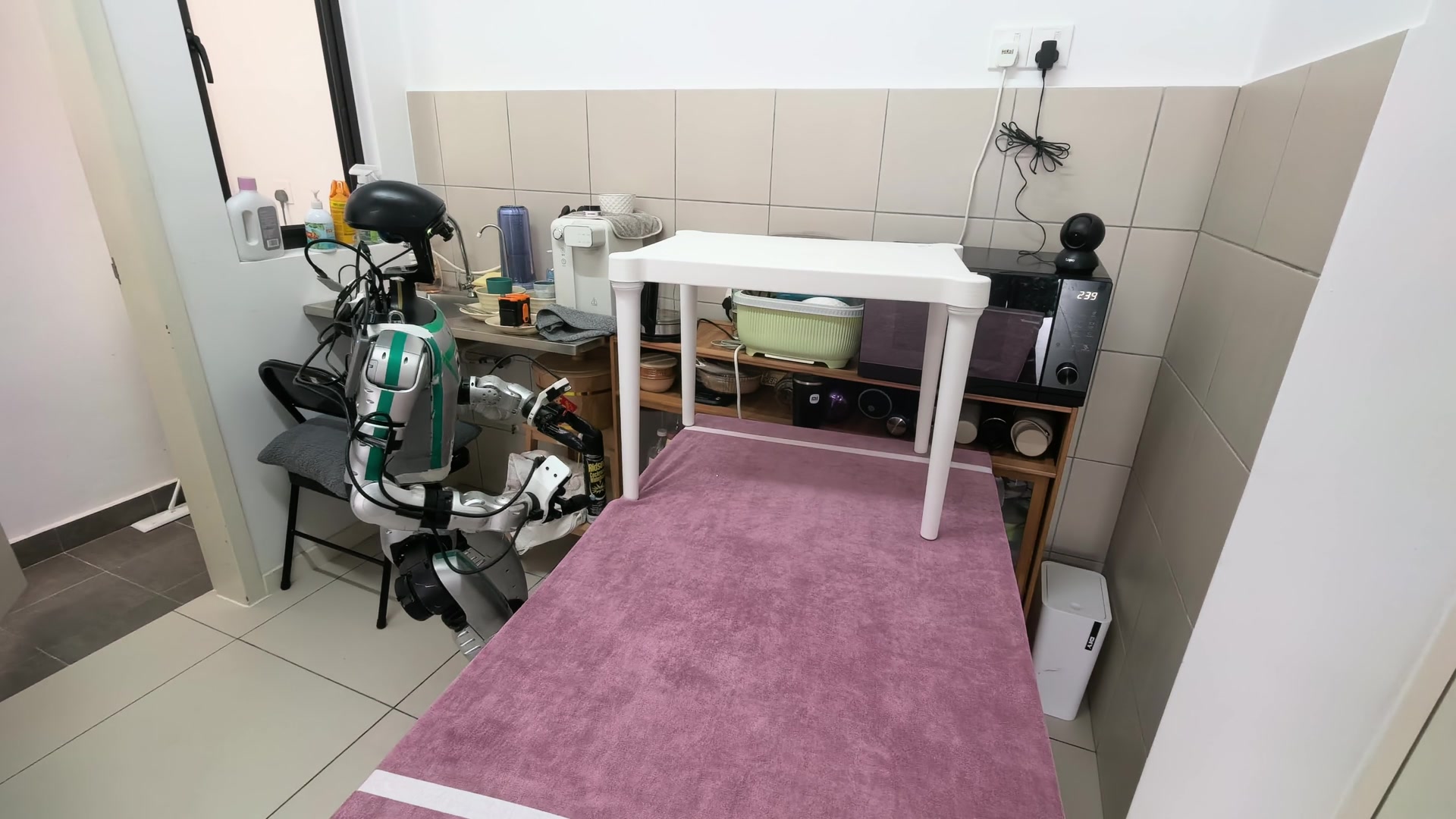
In Pittsburgh, from September 27 to October 1, 2026, IROS 2026 is taking place — one of the two main global robotics conferences alongside ICRA. The main events of this year for practitioners are two debut competitions: the Humanoid IKEA Assembly Challenge, where a Unitree G1 humanoid robot fully autonomously assembles an IKEA UTTER children's table, and the Robotic Origami Challenge for paper folding. Around them is unfolding a methodological shift: an open dataset of more than 500 teleoperated episodes, a simulation replicating the physical arena, and remote evaluation on real robots are turning impressive demonstrations into measurable and comparable results.

What happened
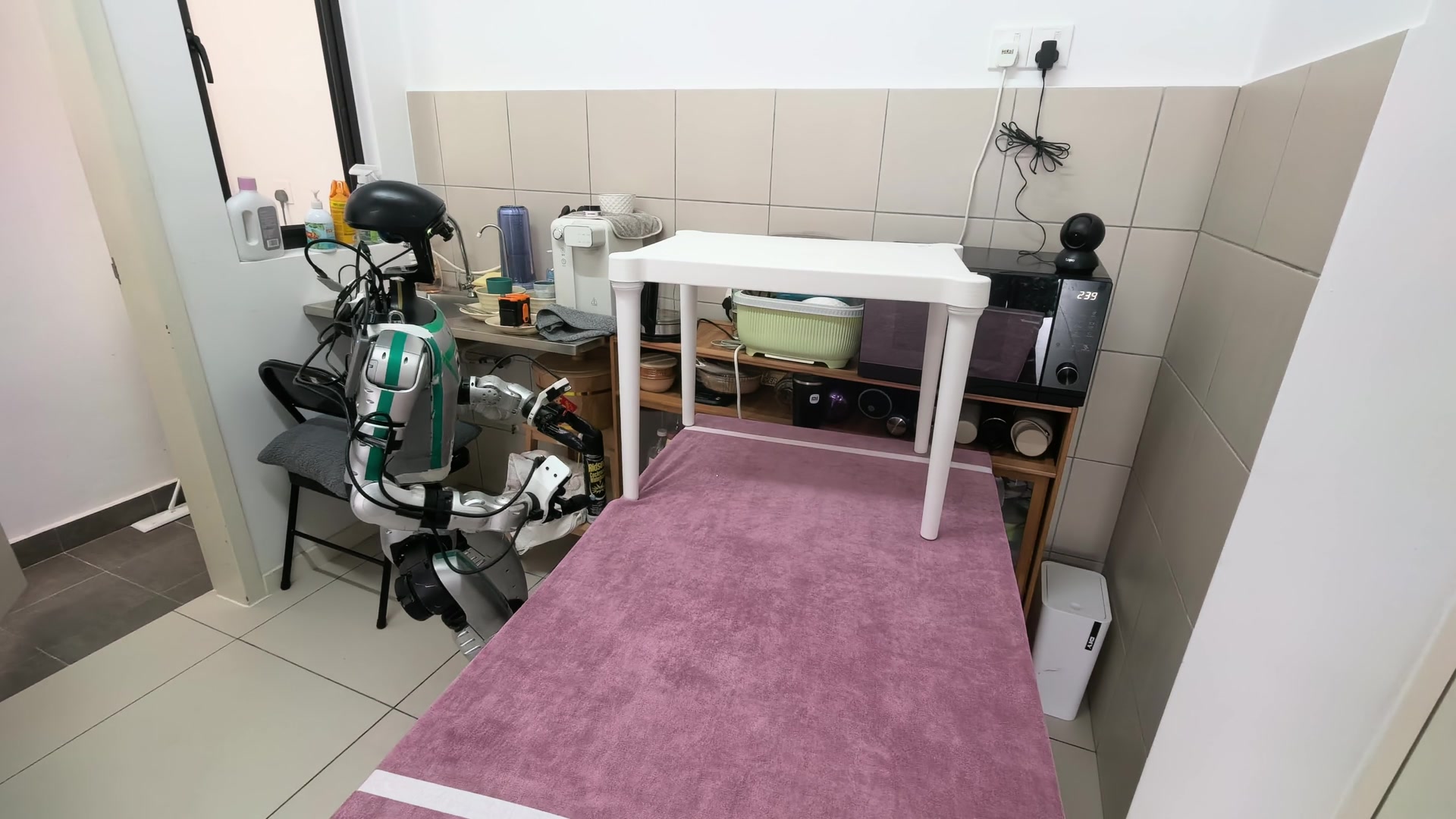
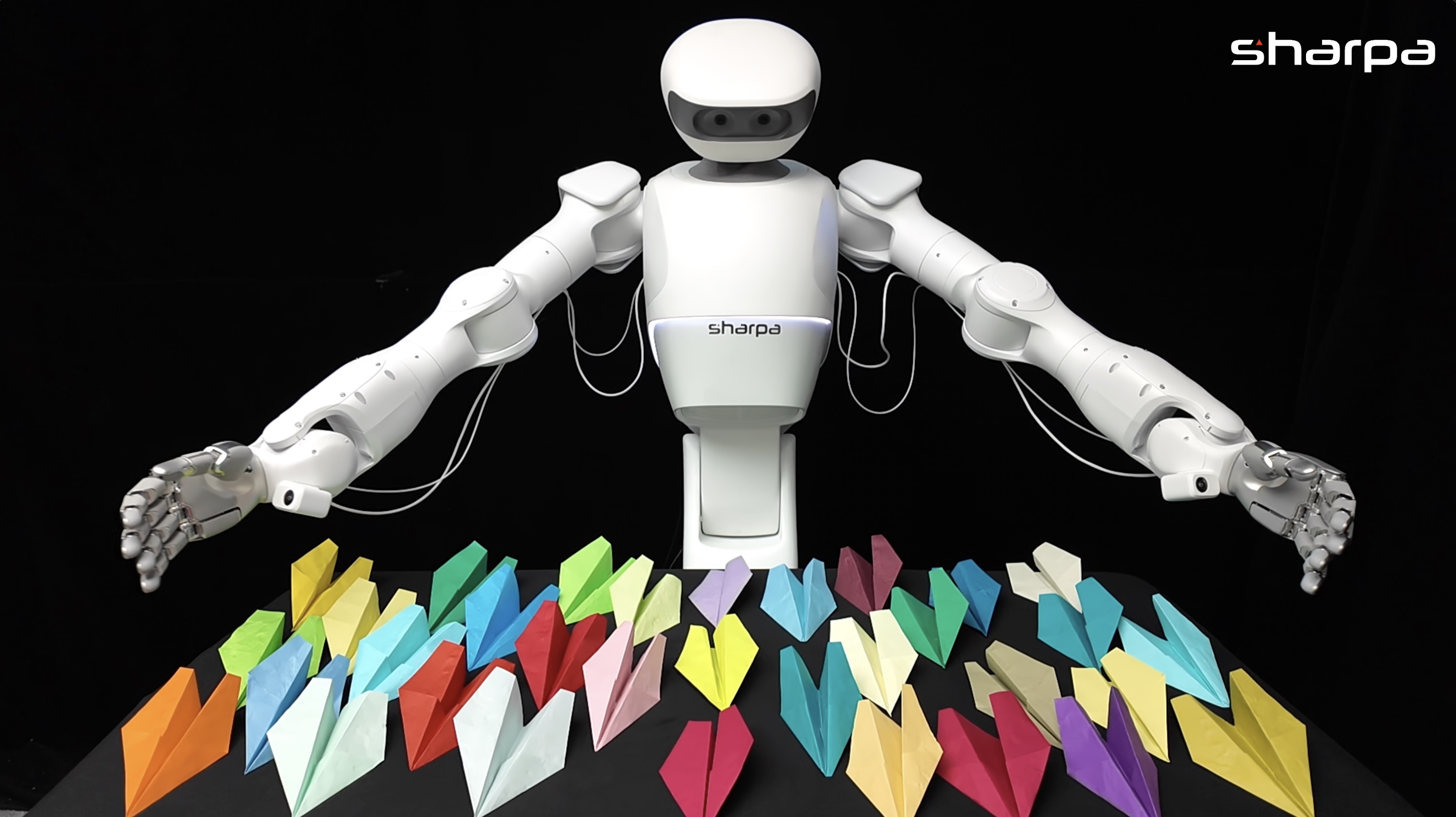
The conference is held at the David L. Lawrence Convention Center; the number of participants stated on the website is from 1200. The program includes plenary and keynote speeches, 44 workshops and tutorials on September 27 and another 42 on October 1, forums, panel discussions, and competitions. For the first time, the Humanoid IKEA Assembly Challenge is being held: a Unitree G1 humanoid robot must fully autonomously assemble an IKEA UTTER children's table without teleoperation, and teams are evaluated by time and receive a penalty for each human intervention. The organizers are Google DeepMind (Jie Tan), Unitree, Lightwheel, Frodobots, and the Singapore Institute of Technology. In parallel, the first Robotic Origami Challenge is underway, in which bimanual manipulators compete in paper folding.
Context
IROS, together with ICRA, sets the agenda for robotics, and the central trends of this year are embodied and physical AI, plus the transfer of humanoids from promotional demos to reproducible tasks. The assembly of flat furniture and paper folding were not chosen by chance: these are classic "difficult for robots" fine motor tasks that a human performs without thinking. The key idea of the new format is standardization: all teams work with the same Unitree G1 robot, the same IKEA UTTER parts, and the same scene, and the penalty for each human intervention makes autonomy a numerical metric rather than a marketing claim.
Why this matters for the industry
For engineers and companies, the main thing is not the competitions themselves, but the evaluation infrastructure published around them. An open dataset of more than 500 teleoperated episodes of the Unitree G1 has already been published along with a simulation environment that, according to the organizers, is identical to the physical arena; the final verification of policies is carried out remotely on real robots in Singapore and Shenzhen. This "train in an open sim — evaluate on real hardware" template lowers the barrier to entry into bimanual manipulation, makes the results of different teams truly comparable, and builds reproducibility into the task design rather than promising it after the fact. If the protocol takes hold, by analogy with public eval sets in CV and NLP, permanent benchmarks for bimanual assembly will appear: public baseline numbers, replications, and honest comparison of approaches like VLA models on a single standard.
Why this matters for users
Readers get a rare opportunity to see what humanoids and dexterous manipulators can do today under fair conditions: live streams provide raw observations instead of edited videos, and materials are available on the official pages of both competitions. This is a cost-free visual guide to where the real level of technology is and where it is advertising. For those who want to experiment, an open dataset of more than 500 teleoperated G1 episodes and a simulation environment have already been published: you can set up the sim environment, study the data, and run your own educational pipeline for a bimanual policy on your own machine — without your own robot and access to hardware.
What is still unknown / limitations
The confidence of some positions currently outpaces the data: the identity of the simulation with the physical arena is a statement by the organizers, not a verified fact. Without a published discrepancy between the results in simulation and on real robots within a single competition, the magnitude of the sim-to-real gap remains an open question. There are no intermediate results at the time of the conference, the learning methods of the teams (RL, imitation learning, VLA policies) are not disclosed, so for now the methodology of evaluation can be considered a breakthrough, not a proven breakthrough in robot capabilities. Final results and replications will appear after the completion of the competitions.
Sources
- IROS 2026 | IEEE/RSJ International Conference on Intelligent Robots and Systems (official website)
- The Humanoid IKEA Assembly Challenge — IROS 2026 (official competition page)
- The Robotic Origami Challenge — IROS 2026 (official competition page)
Author
Look at AI, editorial team