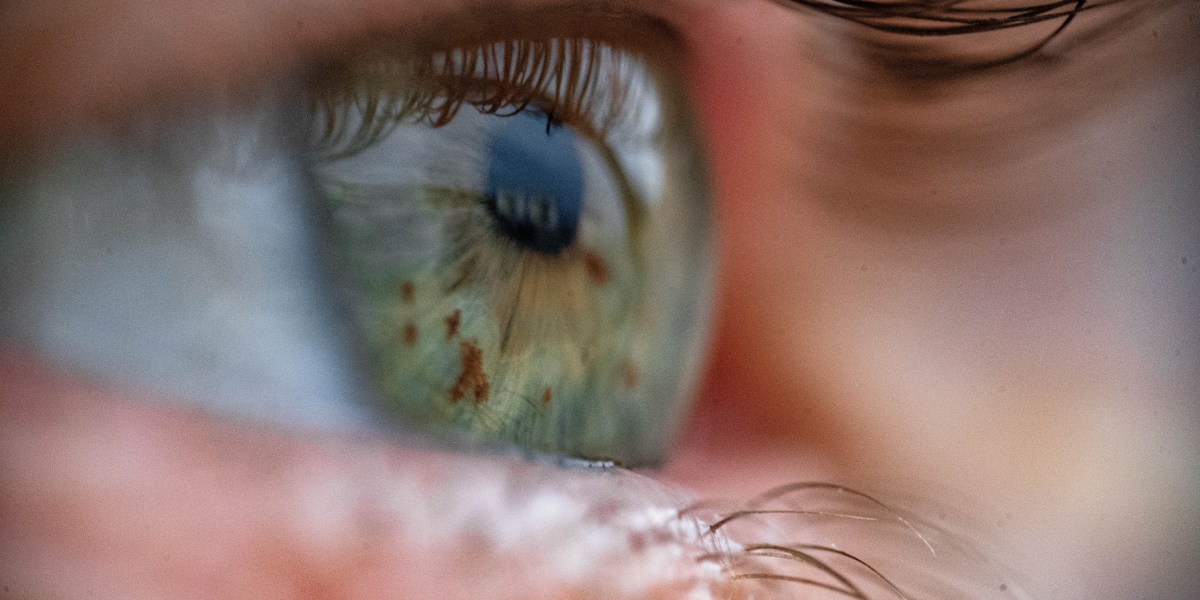
Researchers from the Center for Genomic Regulation have introduced the Eye-in-a-Care-Box (ECaBox) — an innovative device capable of maintaining and restoring the functions of donor eyes using a controlled perfusion method.

What Happened
Scientists developed the ECaBox system, which delivers oxygen and nutrients through the ophthalmic artery in an environment with preset pressure and temperature parameters. Tests on porcine samples and human tissues showed that the device is capable of restoring retinal light sensitivity after just 15 minutes of perfusion and maintaining it for more than 10 hours.
Context
The primary obstacle to successful eye transplantation is their extremely rapid degradation immediately after being removed from a donor's body. This technology aims to transform the process of tissue degradation from an insurmountable biological factor into a manageable technological process.
Why It Matters for the Industry
For the biomedical industry, this signifies a shift toward creating complex logistical systems and automated platforms for biomaterial management. The development paves the way for the "Organ-as-a-Service" concept, where organ storage and viability testing will be standardized, and also allows for the study of the retina *in vitro* without the use of live animals.
Why It Matters for Users
For patients and the general public, this is a technological breakthrough on the path to overcoming blindness. In the future, the availability of high-tech "boxes" for preserving whole eyes could make transplantation a reality, expanding the possibilities of modern medicine.
What Is Not Yet Known / Limitations
The technology is currently in the laboratory research stage and requires further clinical trials to confirm the long-term stability of perfusion parameters and the scalability of the method for widespread medical application.
Sources
Author
Look at AI, Editorial Staff