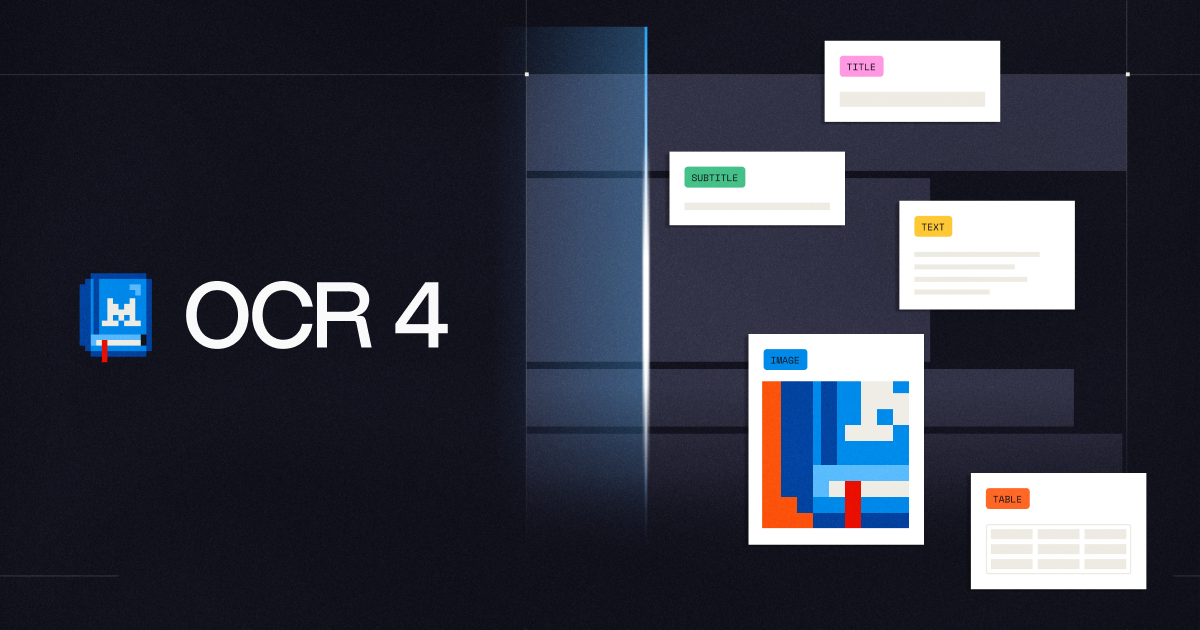
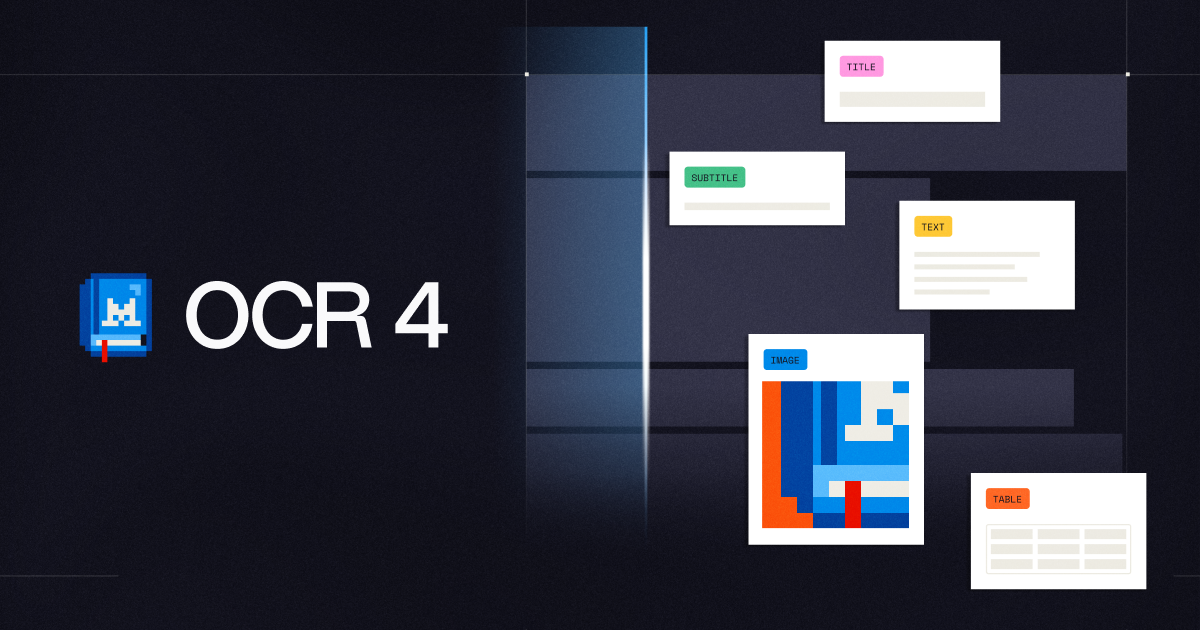
Mistral AI has released OCR 4, a specialized model that elevates document processing from simple text extraction to deep structural data understanding.
What Happened
Mistral AI introduced OCR 4, which is capable of not only extracting text but also identifying block types such as headings, tables, and formulas. The model finds object coordinates (bounding boxes) and provides a confidence score for every word. OCR 4 supports 170 languages and achieved a score of 85.20 on the OlmOCRBench benchmark, confirming its effectiveness in blind testing on more than 600 documents.
Context
Traditional OCR methods are often limited to obtaining a "raw" text layer, which makes automated processing of complex formats difficult. Moving toward structural recognition is a necessary step for the development of systems working with unstructured data, such as invoices, scientific papers, and corporate reports.
Why It Matters for the Industry
For the AI industry, this is a critical step in creating high-quality RAG systems and autonomous agent pipelines. A deep understanding of document structure minimizes errors when parsing complex elements (tables and formulas) and simplifies the data preparation process for multimodal models, turning data structuring from a complex task into an accessible API function.
Why It Matters for Users
Users can utilize OCR 4 to build reliable document search systems or automate form processing. The solution is available via API at a price of $4 per 1,000 pages and can also be deployed self-hosted in a single container, providing the necessary level of data privacy for the enterprise segment.
What Is Not Yet Known / Limitations
The claimed blind testing result on 600+ documents is currently more of a marketing metric, as the composition of the dataset used and the specific criteria for document complexity assessment have not been disclosed.
Sources
Author
Look at AI, Editorial Team