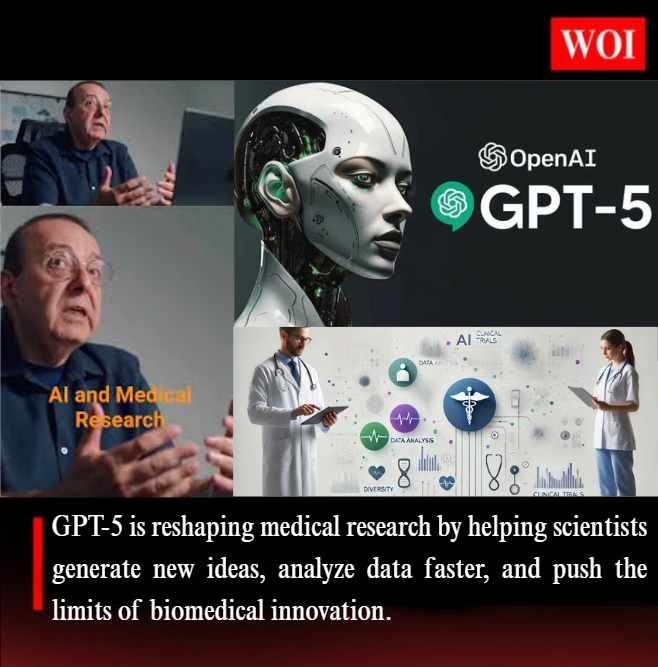
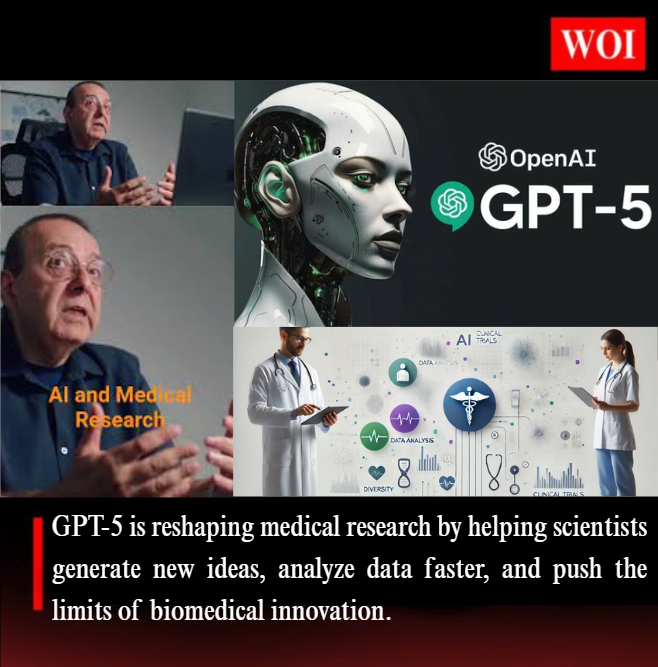
Using the GPT-5 Pro model as a "thinking partner" allowed immunologist Derya Unutmaz to unravel a long-standing mystery regarding T-cell behavior, ushering in a new era of AI application in fundamental science.
What Happened
Immunologist Derya Unutmaz applied the capabilities of GPT-5 Pro to analyze complex datasets, leading to the formulation of new scientific hypotheses and the discovery of hidden connections in T-cell behavior. This allowed for the resolution of a scientific problem that had remained unsolved for three years.
Context
Traditional human data analysis in complex fields like immunology often hits intellectual dead ends due to the massive volume of fragmented information. This case demonstrates the transition of frontier models from simple text generators to scientific reasoning tools capable of generating verifiable hypotheses in biological domains.
Why It Matters for the Industry
For the AI industry, this case signifies a shift from creating chat interfaces to developing specialized vertical solutions for R&D. An increased demand is expected for science-intensive AI agents and RAG systems integrated with research databases, which could transform the standard scientific research cycle (Hypothesis -> Experiment -> Verification).
Why It Matters for Users
For scientists and researchers, AI is becoming a full-fledged co-author capable of overcoming cognitive limitations and finding patterns inaccessible through conventional analysis. This could significantly accelerate research in the fields of cancer and autoimmune diseases.
What Remains Unknown / Limitations
Despite the success, engineers and architects point to a lack of data regarding API stability, inference costs, and methods for verifying results when implementing such solutions into real-world research pipelines.
Sources
Author
Look at AI, Editorial Team