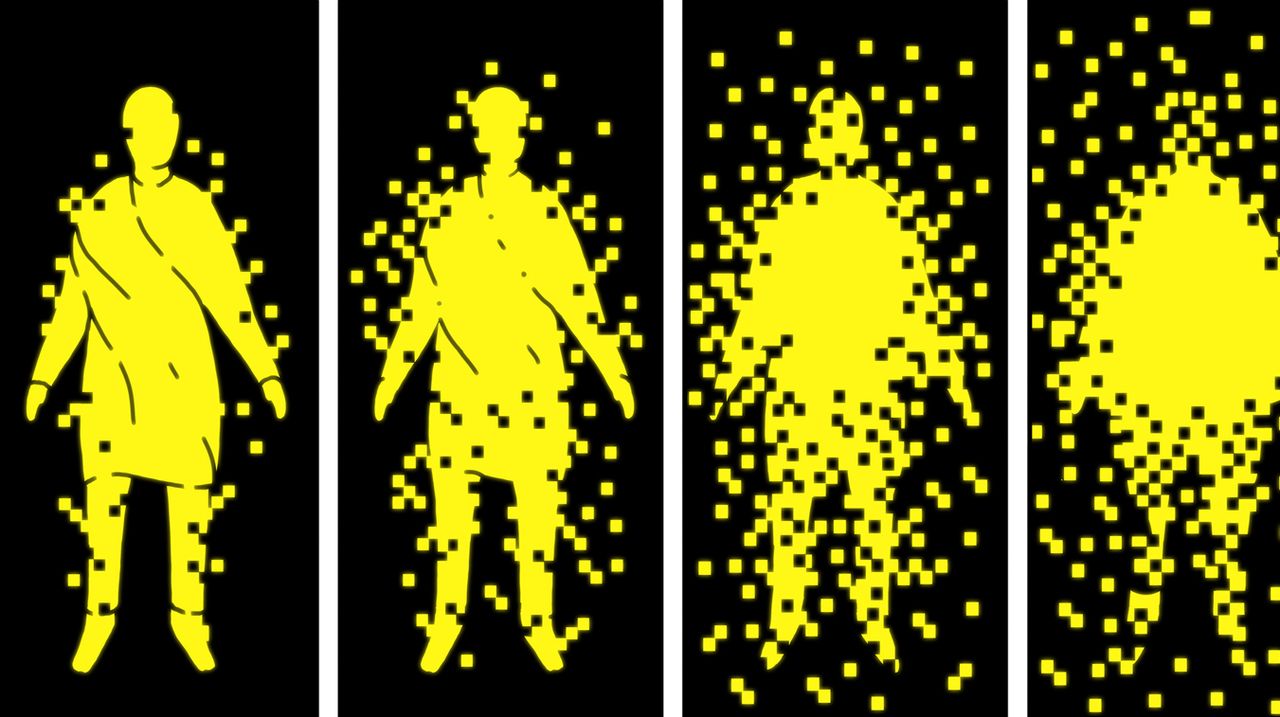
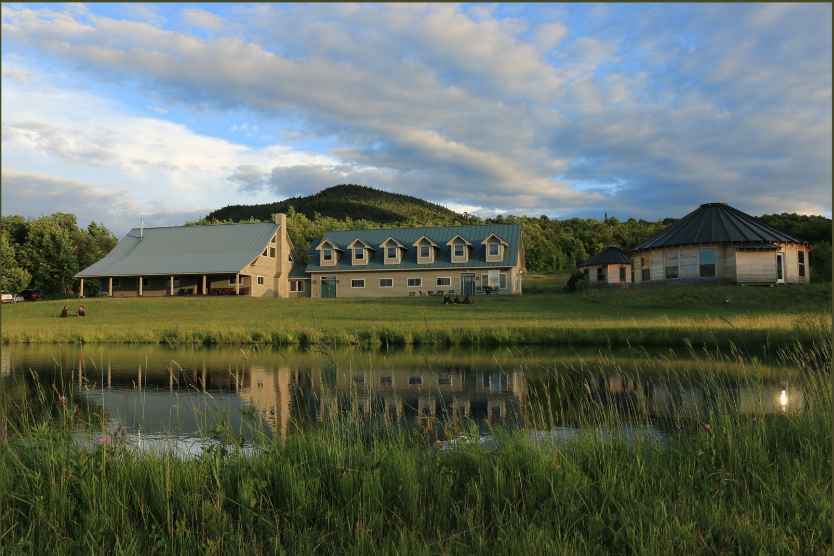
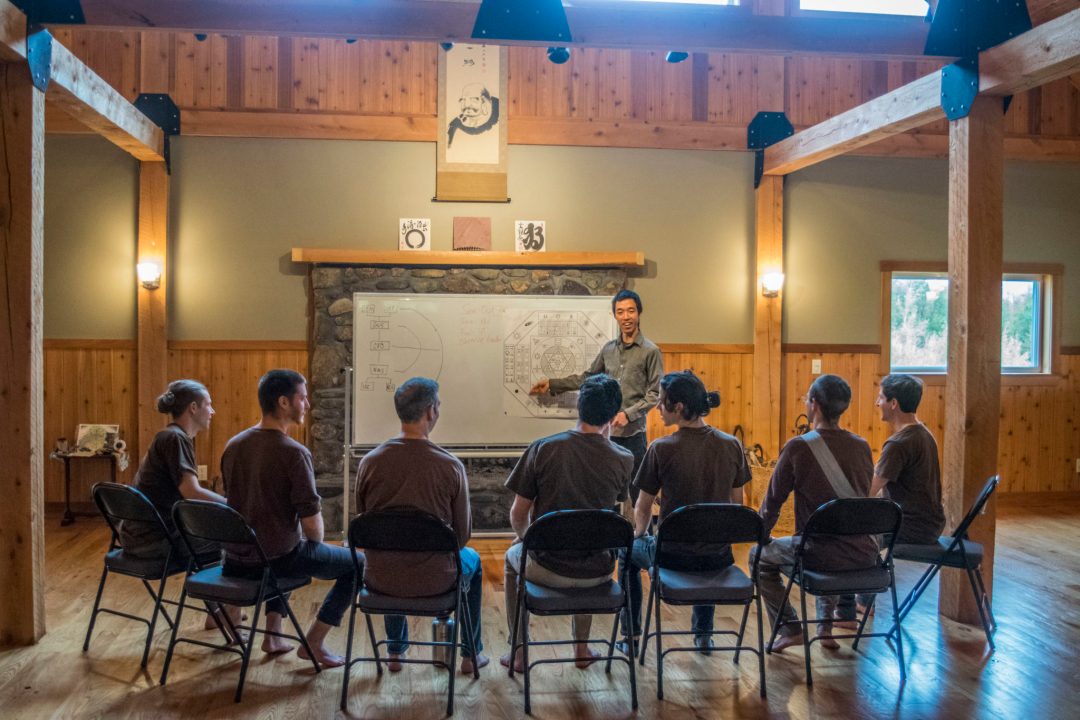
The New Yorker published a report by Sam Kriss (November 23, 2026 issue) about the MAPLE (Monastic Academy for the Preservation of Life on Earth) Buddhist monastery in northern Vermont, founded in 2011 by Soryu Forall (real name Teal Scott). The organization positions itself as a “religion for the AI era” and, according to tax reports, receives up to $1 million annually.

What happened
The report describes a religious turn in Silicon Valley. More than a dozen researchers left Anthropic and OpenAI with warnings about extinction risk, including Jacob Coxon and Marcus Williams. Peter Thiel gave closed lectures on biblical prophecies, Y Combinator held a meeting on combining technology and Christianity, and Anthropic discussed the question of Claude’s “soul.” Former MAPLE residents spoke of a strict hierarchy, isolation, and a secret doctrine about “cyborgs” — collective minds fed by human consciousness.
Context
MAPLE has existed since 2011 and remained little known outside its circle until the New Yorker report. The report cites an MIT study (arXiv:2506.08872, “Your Brain on ChatGPT: Accumulation of Cognitive Debt when Using an AI Assistant for Essay Writing Task”): EEG data showed a decrease in neural connectivity in people who frequently use chatbots compared to working without external assistants. Claims about “cyborgs” are not linked to known ML methods and are not supported by methodology or data — this is a doctrinal, not technical, assertion.
Why this matters for the industry
The report documents a sustained cultural shift: the language of existential risks and apocalypse is penetrating the corporate culture of labs, and closed communities and “technoreligious” movements are forming around AI. This affects hiring, talent retention, and the reputation of labs: if researcher turnover increases, companies will have to compete for talent not only with salary but also with “mission.” The New Yorker legitimizes the narrative of Silicon Valley’s “religious turn” in the mainstream, which increases noise around labs and requires teams to be more careful with public positioning.
Why this matters for users
This is a specific example of how existential fears around AI are turning into real organizations with funding, and a reason to critically approach both apocalyptic rhetoric in the industry and closed communities promising a “solution” to technological problems. The only scientific reference in the material is one EEG study, and its conclusions cannot be transferred to everyday use of LLM assistants without further verification.
What is currently unknown / limitations
The material does not contain verifiable technical claims: there are no descriptions of architectures, eval results, metrics, or reproducible experiments. Facts about personnel movements speak to people and organizations but do not provide grounds for confirming or refuting capability claims by labs. The official position of MAPLE leadership regarding the accusations by former residents in the report is not provided.
Sources
- The Buddhist A.I. Sect That Wants to Take Over Silicon Valley — The New Yorker (Sam Kriss)
- Monastic Academy for the Preservation of Life on Earth (MAPLE) — official website
- Your Brain on ChatGPT: Accumulation of Cognitive Debt when Using an AI Assistant for Essay Writing Task — arXiv:2506.08872
Author
Look at AI, editorial team