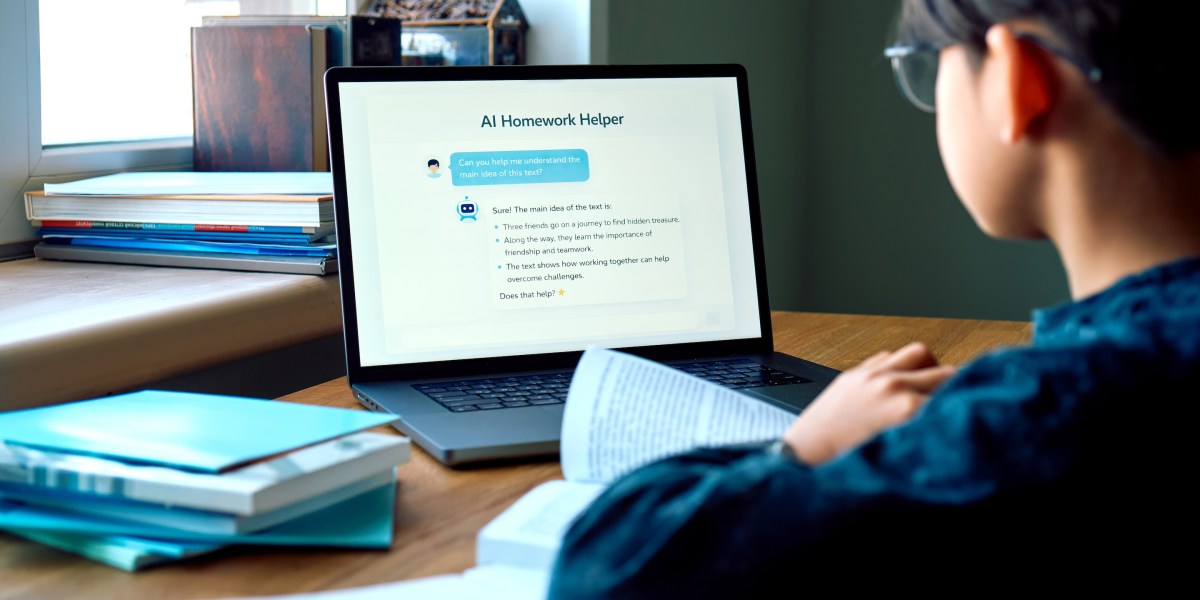
Fortune published an analysis of internal data from AI school Alpha on November 14, 2026, which was reviewed by The New York Times: only 42% of students achieved the stated goal of "learning twice as fast" in both math and reading, despite the cost of attendance reaching up to $75,000 per year. The school, which operates without teachers in the traditional sense, positioned itself as proof that an AI tutor can replace a teacher, and its software is already being used in public schools, meaning the gap between promises and actual results now extends beyond the private premium segment.
What happened
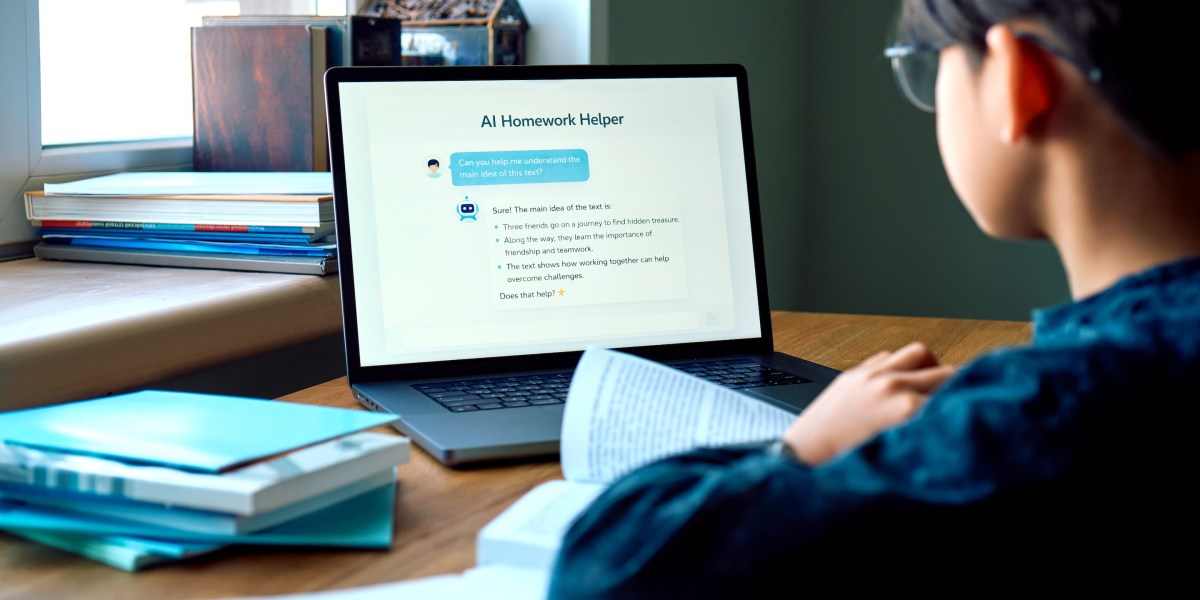
Internal data from the Alpha network, reviewed by The New York Times and revealed in a Fortune article, shows that about half of K-8 students did not meet the set goal in math, and one-fifth did not meet it in reading. The educational model is structured as follows: about two hours of academic lessons per day with the TimeBack tutor app instead of a full school day, while the role of teachers is filled by "guides" who do not plan lessons or check homework. The network comprises approximately 1,500 students across about 50 campuses, and this is the first major public breakdown of its actual results rather than marketing claims.
Context
The school was founded by MacKenzie Price, and its flagship thesis was to "learn twice as fast" with two hours of lessons per day—a format presented as proof that AI can replace a teacher. Simultaneously, Alpha's software is expanding beyond the private network: it is used by more than 2,600 public school students in Texas and South Carolina, including a pilot in Houston ISD, where, according to Superintendent Mike Miles, children spent more time in the apps than planned. Additional context provided by Fortune includes a Chinese study involving 26,811 students, where grades for homework using generative AI increased by 18%, but scores on exams without hints dropped by 20%—this gap highlights the difference between working with an assistant and developing one's own skills.
Why this matters for the industry
For the edtech industry, this is the first major public breakdown of results from a flagship AI school that served as a proof-of-concept for the "AI instead of teachers" model, so the impact extends to the entire sector: claims like "AI teaches twice as fast" now need to be backed by numbers, competitors can more easily position themselves through honest metrics, and buyers will demand evidence. A separate signal is the engagement metric trap: time spent in the app is not equivalent to skill growth, and optimizing time-on-app instead of verifiable learning outcomes is a known evaluation trap in EdTech. Alpha's pilots in public schools are receiving increased attention from the press and parents, and public schools are an environment where underperforming students cannot be expelled and there are no premium incentives, so the commercial logic of the private segment does not directly translate there. An expected shift in the coming months: districts and investors will begin requesting independent post-tests without assistants, control groups, and result distributions, and the market will likely split into products optimizing engagement and products with verifiable learning outcomes.
Why this matters for users
For parents and anyone choosing AI tutors for children, the material provides a specific benchmark: even a premium price tag does not guarantee the fulfillment of the main promise, and according to the analysis, weaker students benefit the least from such a model. Practical takeaway: when evaluating any "AI tutor," ask the vendor for verified results—how progress was measured, whether there were measurements without AI, and what the distributions among students were, rather than just time spent in the app. A second takeaway concerns basic skills: data is emerging that intensive AI use may impair reading and independent thinking, so for children, modes where learning is verified through tests without hints are particularly important, rather than success stories from advertising.
What is currently unknown / limitations
The data is internal, and the methodology for measuring "learning twice as fast" has not been disclosed: there is no baseline, definitions, or distributions, only the percentages of achieving a self-set goal are known. Therefore, 42% is the share of students who achieved a very ambitious goal, not a measured learning effect, and it is impossible to verify or replicate this assessment based on published materials. Time spent in apps in the public school pilot is an engagement metric, not a learning outcome. The figures from the Chinese study are cited in Fortune's retelling; the original source and methodology are not disclosed in these materials. Predictions about the demand for independent evals and the division of the edtech market are scenario-based expectations without supporting data.
Sources
- Fortune: Wealthy parents pay $75,000 for a two-hour AI school day. Half of students missed the math target
- Hacker News: discussion of the news about Alpha AI school results
Author
Look at AI, editorial team