On November 12, 2026, NVIDIA announced that its founder, Jensen Huang, has immediately stepped down from his roles as president, CEO, and board member. During the search for a permanent successor, the company is temporarily led by CFO Colette Kress. On the day of the announcement, NVDA shares fell sharply, and NVIDIA's market capitalization decreased by hundreds of billions of dollars in a single trading day.

What Happened
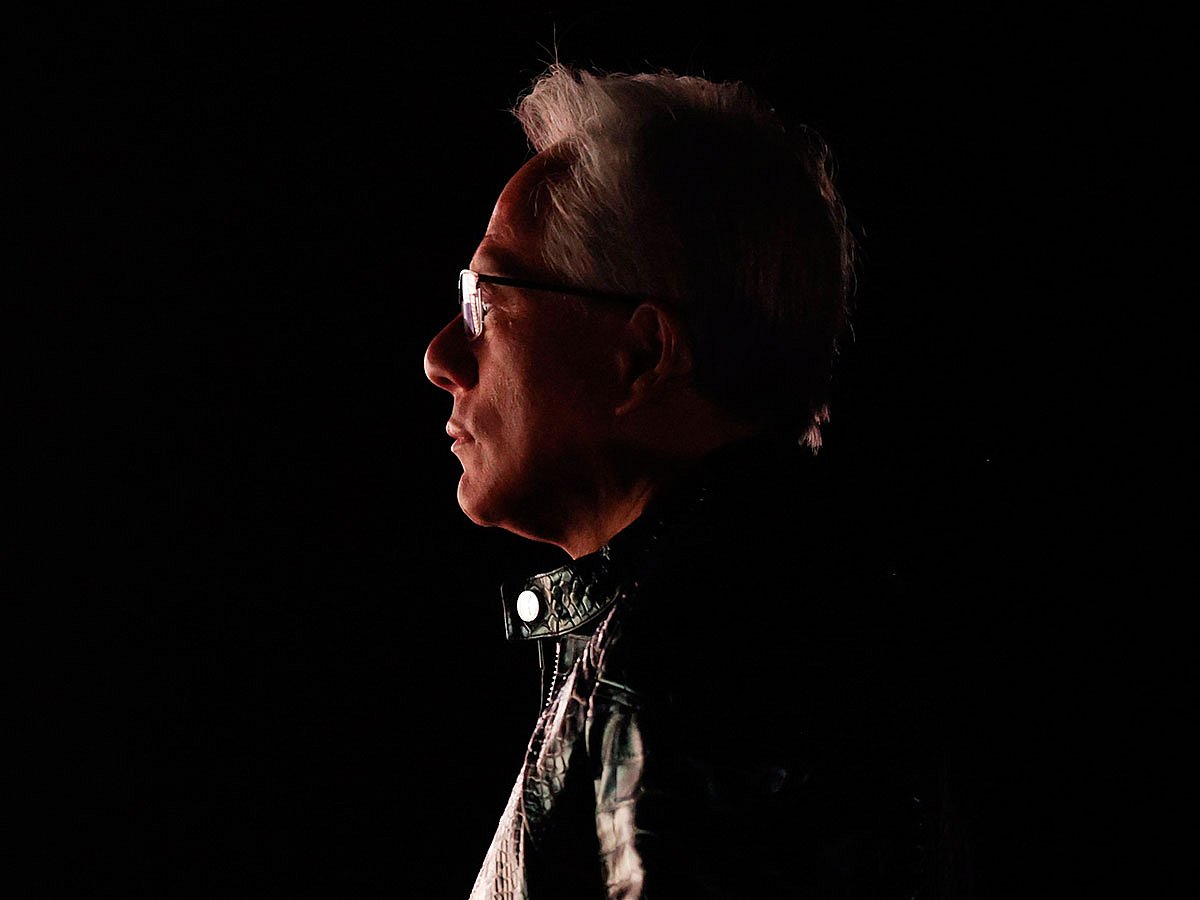
NVIDIA's board of directors officially confirmed Jensen Huang's departure: he immediately vacated the positions of president, CEO, and board member. Colette Kress, who has led the company's finance division since September 2013, was appointed interim CEO; before joining NVIDIA, she worked at Cisco and Microsoft. Kress will retain her CFO role until a permanent leader is appointed, and the board has begun searching for a successor among internal and external candidates. Harvey Jones, formerly CEO of Synopsys, became chairman of the board: this is the first chairman position in NVIDIA's history. On the day of the announcement, NVDA shares fell by approximately 13% with an opening price of about $150.98 per share; the loss in market capitalization for the day amounted to approximately $550 billion.
Context
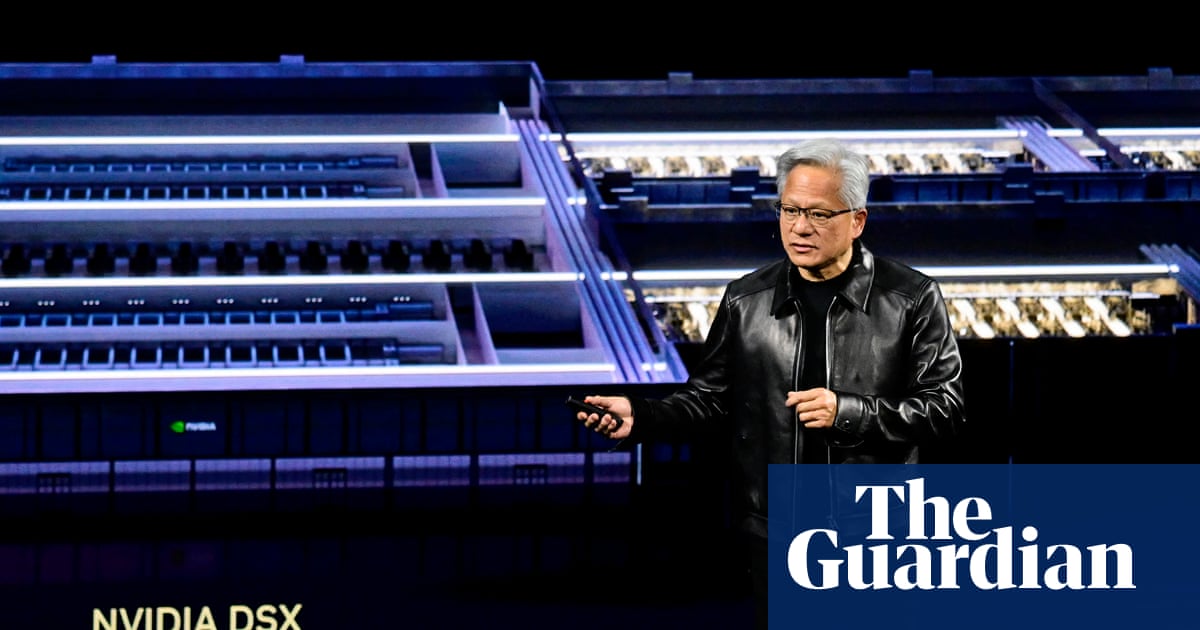
Huang founded NVIDIA in 1993 and led it for 33 years; under his leadership, the company became the largest technology corporation by market capitalization and a key supplier of accelerators for AI infrastructure, with trust in Huang being part of NVIDIA's "product." The public crisis began before the official announcement: in late October 2026, The New York Times reported on Huang's relationship with an employee suspected of working for Chinese intelligence. On November 9, The Guardian published a piece stating that Huang's reputation had been damaged and discussed the possibility that he might be pushed out of the company. NVIDIA's official statement confirms the fact of the resignation.
Why This Matters for the Industry
For the AI industry, this is not a technological shift but a management shock at the narrowest bottleneck: a change in leadership during the AI race creates uncertainty for suppliers, including TSMC and Micron, for hyperscaler clients, and for the entire chain of GPU-dependent projects. The board of directors states that operations, client commitments, and the product roadmap will continue without interruption, and the report for the third quarter of fiscal year 2027 will be released on schedule on November 17, 2026; until the financial report figures are verified, this is a promise, not an established fact. The key variable in the coming months is the name of the permanent CEO: while the role is filled by an interim leader who also serves as CFO, there is an increased likelihood that financial discipline and the fulfillment of existing commitments will take priority over new technical promises; this is an interpretation, not an established fact. An external candidate would increase uncertainty regarding public technical promises, while an internal candidate would likely maintain continuity in phrasing.
Why This Matters for Users
Nothing breaks in production: already deployed accelerators continue to work, signed contracts remain in force, and CUDA, drivers, and cloud GPU APIs function as before. For the reader, the significance of the event lies elsewhere: for the first time in 33 years, NVIDIA is without its founder at the helm, and the day of the announcement showed how the personal reputation of a top manager directly impacts the company's market capitalization and the economics of AI hardware, which ultimately determines accelerator rental prices and capacity availability. A practical step for this week is to inventory dependencies on NVIDIA within your own stack: which models are running on which accelerators and with which providers, which SLAs and prices are fixed in contracts, and where the combination of CUDA and cloud APIs remains the only option without a backup path. The nearest benchmarks are NVIDIA's financial report figures and news about the progress of the search for a permanent successor.
What Is Still Unknown / Limitations
The resignation itself is confirmed by NVIDIA's official statement, but information about Huang being fired by the board of directors is explicitly marked as unconfirmed in sources: there remains a gap between "departure" and "firing" that requires verification. The drop in market capitalization of approximately $550 billion is an interpretation of a single trading day: it is correct to speak of a correlation between the announcement and the stock price drop, rather than a measured "price of trust" in one individual. The board of directors' promise of continuity in operations, client commitments, and the roadmap remains a statement until the release of the third-quarter fiscal year 2027 report on November 17. The assessment that Kress's dual role will strengthen financial discipline is an interpretation, not an established fact. The chronology of the scandal relies on The New York Times publication, and The Guardian's conclusions about the possible ousting of Huang are assumptions; there is currently no official causal link between the scandal and the resignation.
Sources
- NVIDIA Announces CEO Transition (NVIDIA Newsroom)
- Jensen Huang Steps Down as Nvidia CEO, Colette Kress Named Interim Leader (Gulf News)
- Jensen Huang's image has been shattered. Could he be pushed out at Nvidia? (The Guardian)
Author
Look at AI, editorial team