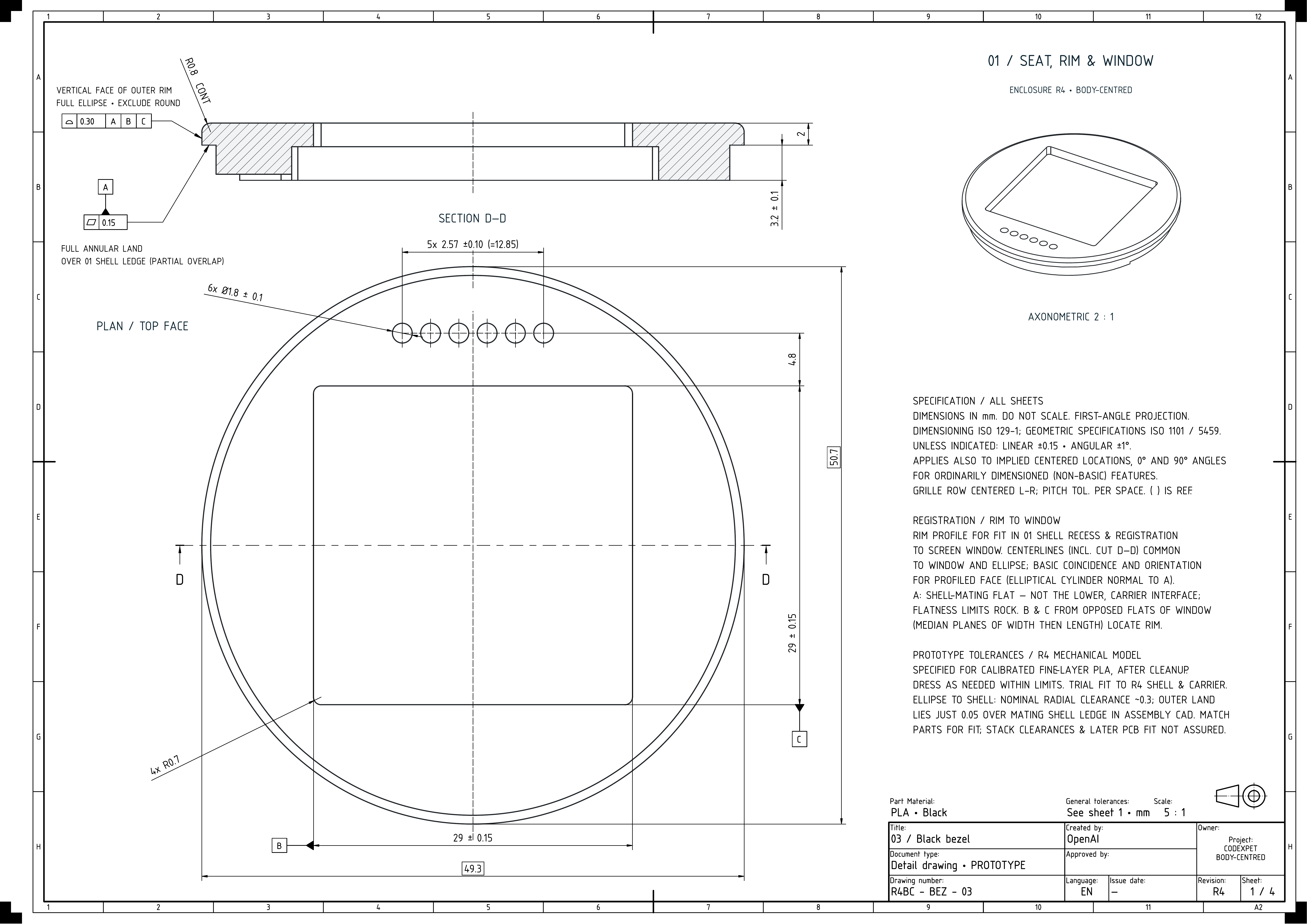
On November 3, 2026, OpenAI published a post titled “Accelerating engineering for the physical world” regarding model progress in mechanical, electrical, and systems design. A specialized internal model, not yet publicly presented, achieved an average score of 0.875 in BenchCAD 2.0—approximately 28 percentage points higher than GPT-6 Astra, which scored 0.594 at maximum reasoning levels. The company also demonstrated how two engineers designed a test device with Astra in one week, while a contract manufacturer assembled a small batch in less than a month. For external developers, the model itself is currently unavailable: there is no information about API, pricing, or latency in the sources, and users can only work with already released Codex and ChatGPT.
What happened
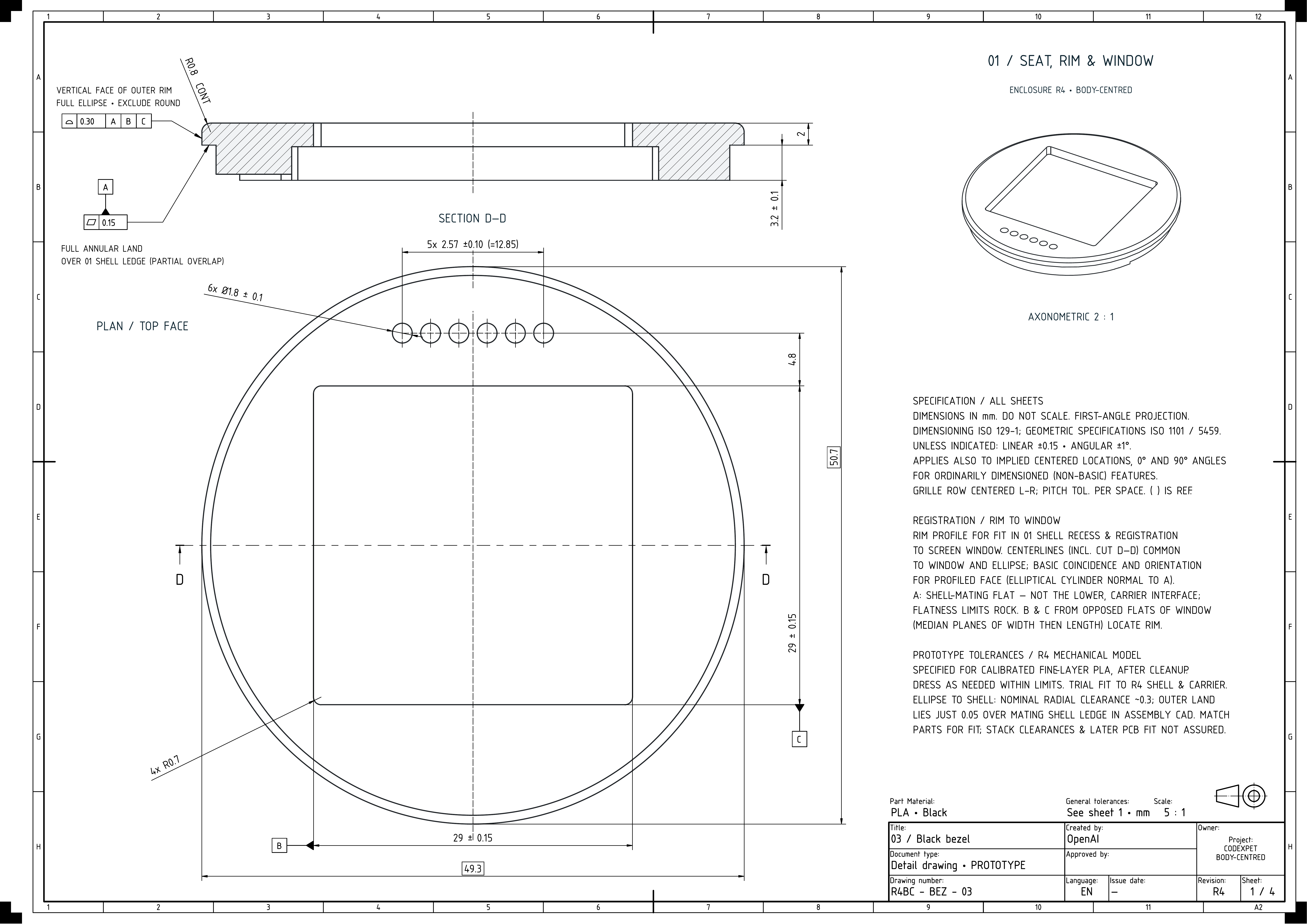
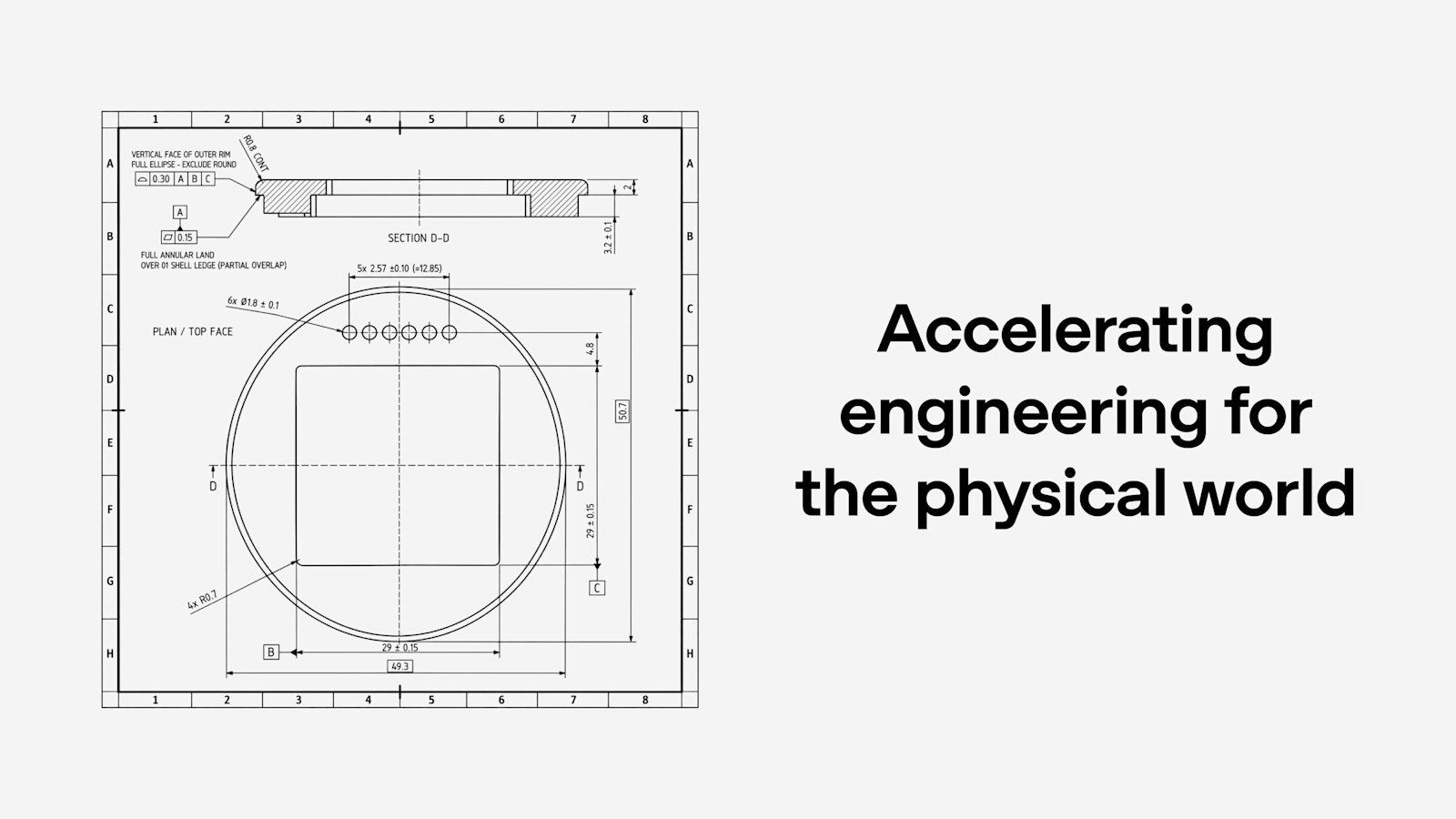
OpenAI’s unannounced model passed BenchCAD 2.0, a benchmark for restoring 3D parts and assemblies from drawings and identifying connections on printed circuit boards: the average result was 0.875 compared to 0.594 for GPT-6 Astra at maximum reasoning levels. Details of the internal case: two engineers designed a test device for voice communication with Codex using Astra, including an enclosure, printed circuit board, firmware, and software, while a contract manufacturer assembled a small batch of prototypes in less than a month. However, refining it for mass production required several rounds of manual checking of tolerances and assembly details. In parallel, OpenAI expanded its collaboration with Chip Ganassi Racing on converting 3D scans of parts into editable CAD models and 2D drawings, and announced a research partnership with Mazda on aerodynamics and crash safety simulation. Separately, the company cited an internal metric: the use of models in hardware teams increased 23-fold in tokens since February.
Context
BenchCAD 2.0 tests tasks with a clear result structure where the answer can be verified against a standard: part and assembly geometry from drawings and connections on the board. The gap of about 28 percentage points between the specialized model and GPT-6 Astra indicates specialized training for the domain rather than general scale growth, although OpenAI does not disclose training details. More informative than the numbers is the behavior of the previous version, which allowed a critical topology error by closing the 3.3 V, 5 V, and ground buses into a single network: it is precisely such defects that risk remaining in designs without schematic rule checking. Broader context: creating a physical product links CAD, printed circuit boards, simulations like FEA and aerodynamics, and firmware, and OpenAI describes the movement toward a model covering this chain as a single cycle. However, the publication is a research progress report, not a release: the model is not named and not brought to market.
Why this matters for the industry
For the industry, the main effect is the reduction in cost of preliminary design for physical products. The OpenAI case demonstrates a working cycle: an AI draft for the enclosure, board, and firmware in days, a small physical batch in less than a month by two engineers, with the bottleneck shifting to manual checking of tolerances and assembly before mass production. Partnerships with Chip Ganassi Racing and Mazda in this context show the move from an internal pilot to real industrial and motorsport processes, from scan conversion to aerodynamics and crash safety simulations. For CAD and EDA vendors, a window opens: specialized models may enter their market, and the time for engineering tools to react is limited. The co-training program, through which OpenAI is seeking external engineers and vendors in mechanics, electronics, and mechatronics, as well as the expected disclosure of model details or BenchCAD 2.0 within a six-month horizon, increases the likelihood of early access programs and first third-party pilots in hardware teams upon the appearance of a model with an API.
Why this matters for users
A working entry point for engineers exists today: Codex and ChatGPT are used for CAD scripting, preparing manufacturing drawings, configuring simulations, and writing firmware—that is, for the same scenarios OpenAI shows in its internal case. The working rule remains unchanged: model output should be used as a draft with mandatory manual checking of tolerances and manufacturing constraints, not as a ready-made solution for production. In a generated board, it is reasonable to first look for critical topology errors of the level of the previous version, which closed the 3.3 V, 5 V, and ground buses into one network, as well as to verify assembly details that required separate rounds of manual refinement even in OpenAI’s demonstration. For electronics engineers, mechanics, and mechatronics specialists, this means accelerating the draft stage, not eliminating the verification stage.
What is still unknown / limitations
The assessment relies on a single self-evaluated benchmark and an internal case study without independent replication: there is no comparison with specialized CAD and EDA tools and previous systems, no confidence intervals, and no breakdown of results by individual BenchCAD 2.0 tasks. The model is not announced, and there is no data on API, pricing, or latency in the sources, while the 23-fold increase in token usage is a proxy for internal deployment, not a metric of model capabilities. The claim that the new model truly eliminates critical topology errors of the level of closing power and ground buses is verified only by independent data. Forecasts about compressing the “design, prototype, small batch” cycle to weeks and the formation of specialized engineering models into a separate category remain interpretations until external pilots and public materials on BenchCAD 2.0 appear.
Sources
- Accelerating engineering for the physical world — OpenAI
- OpenAI Shares Progress on ChatGPT and Codex for Hardware Engineering: GPT-6 Astra Designs a Codex Device in Under a Week
Author
Look at AI, editorial team