At Android Dev Summit 2026, Google transformed agent-based development for Android from a set of demos into a standard layer of tooling. Android Studio Rabbit 2 in the stable channel accepts third-party AI agents via the open ACP protocol, Android CLI works in standard terminals and CI, and AppFunctions shifts agent actions from text generation to application function calls.
What happened
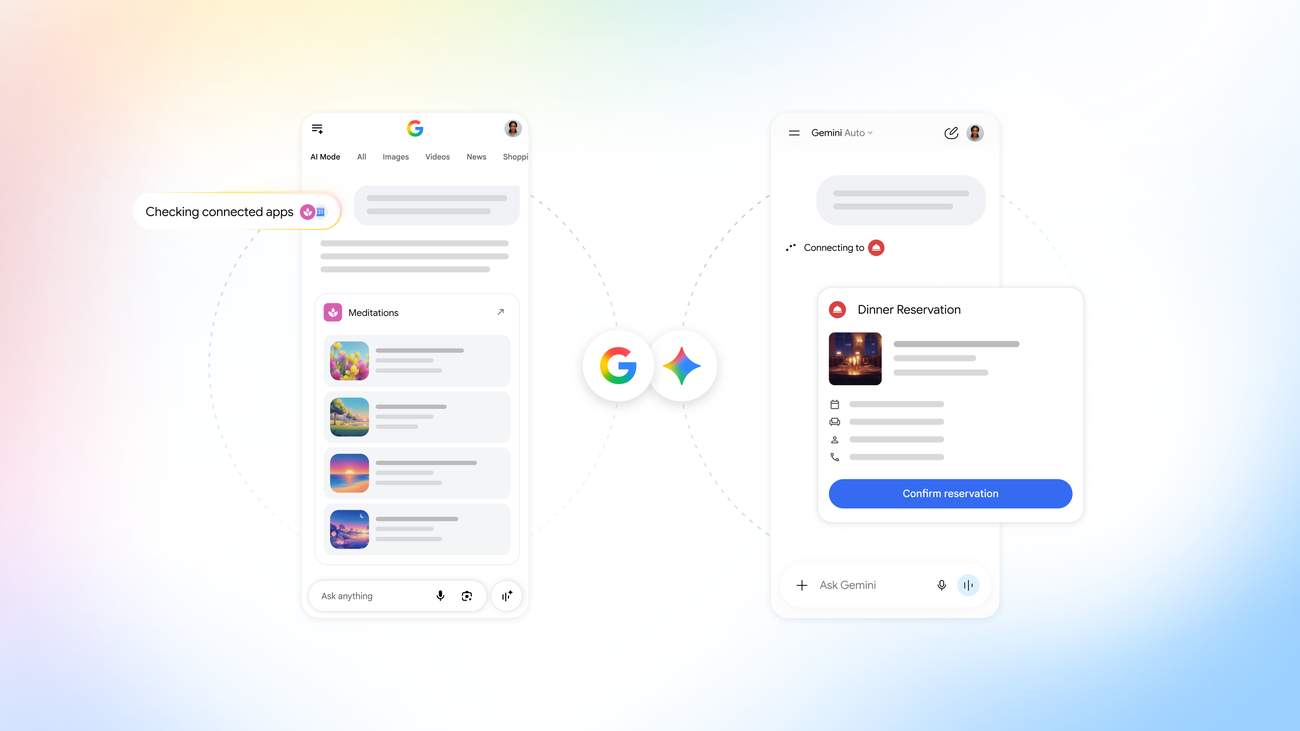
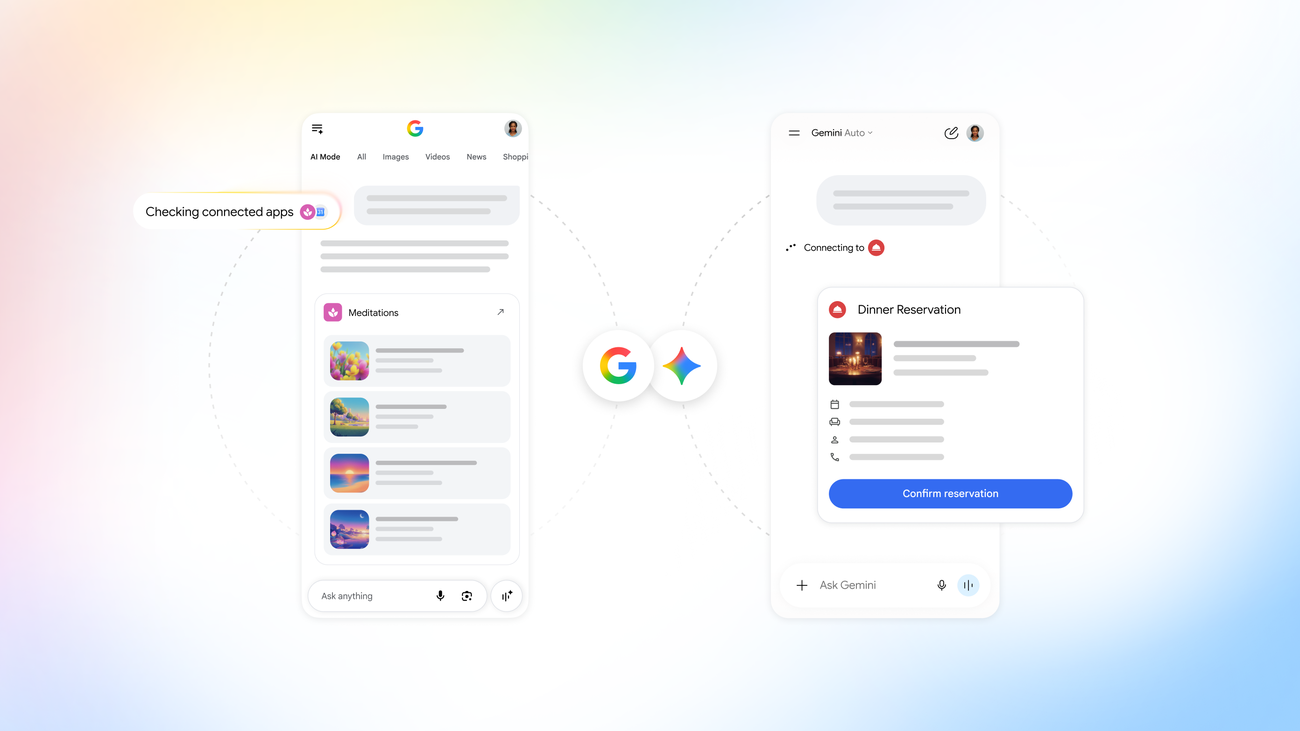
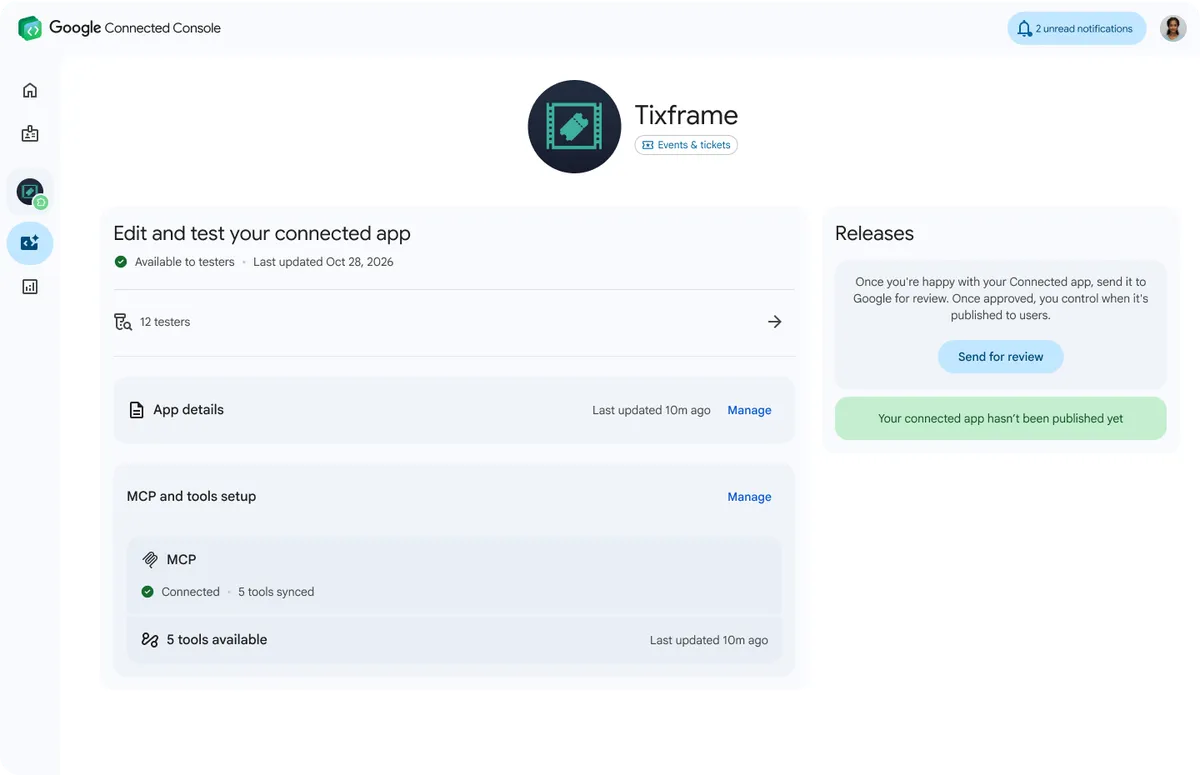
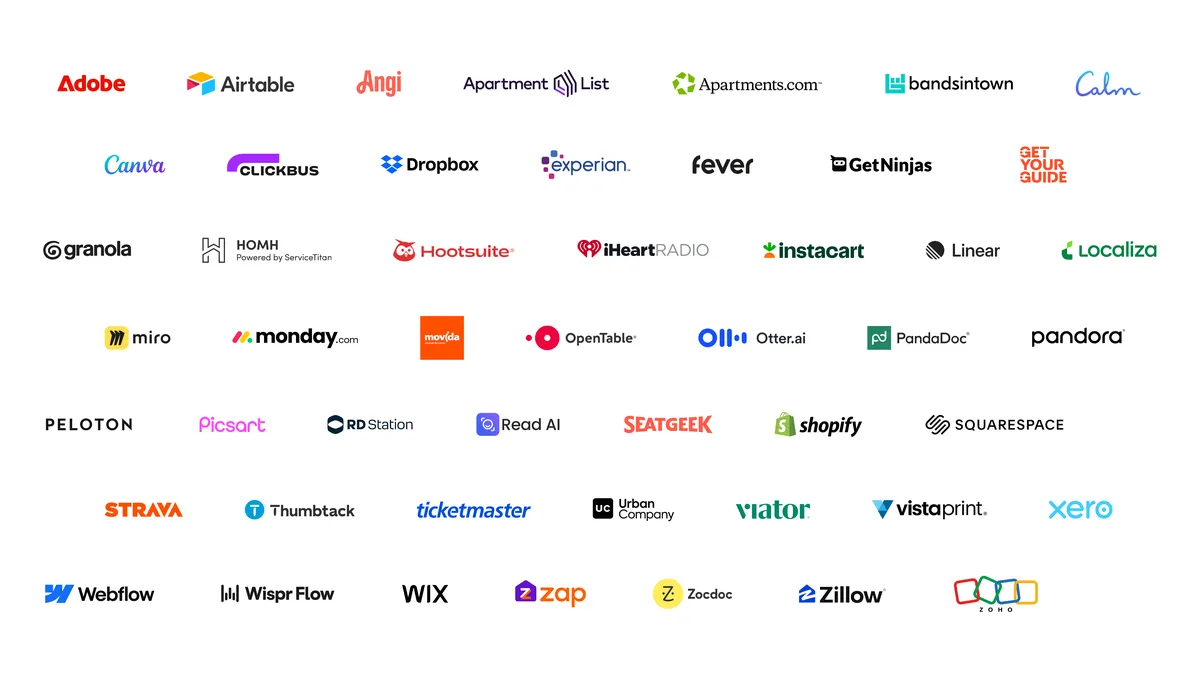
At the Android Dev Summit 2026 keynote, Google presented a series of releases centered on the idea of the "agent as a first-class client" in the development environment. Android Studio Rabbit 2 reached the stable channel with a Bring Your Own Agent mode: via the open ACP protocol, more than 40 agents connect to the IDE, including Claude Agent, Codex, and Antigravity. Each of them sees not a text dump, but the actual project environment — structure, build data, symbol resolution, Compose Preview rendering, emulator, and Logcat. Official plugins for Claude Code and Codex were released for the first time, installable via marketplace commands. Android CLI received two key commands: android device remote connects a real phone from Google's lab as a local adb device, and android preview renders Compose layouts without launching an emulator or building an APK. According to Google's measurements, agents with android preview solve UI tasks 77% faster and use up to 3 times fewer tokens. Simultaneously, AppFunctions, a unified layer for calling application functions via Android MCP, moved to beta, and Connected Apps Platform opened in preview: it already has more than 50 connected apps, including Adobe, Calm, Peloton, Experian, and Localiza.
Context
The background for this news is how agent-based development has taken root around desktop tools: the ecosystem of integrations there proved more important than a single vendor's "own" agent, and Google is repeating this logic on the mobile platform. In the protocol combination, tasks are divided: ACP handles connecting agents to the development environment, while Android MCP handles access to application functions, allowing agent vendors to compete within a single environment without agreeing on proprietary APIs. The shift in the agent action model itself is also important: instead of generating text, the model calls real functions of installed applications, and connected apps receive a surface in Gemini and search. For agent evaluation methodology, this also changes the picture: when every agent receives the same render, the same emulator, and the same device, comparing agents becomes an engineering task rather than a matter of vendor presentations.
Why this matters for the industry
For the industry, the main point is the standardization of access: Google opens the development environment to third-party AI agents via open ACP and MCP protocols, reducing teams' dependence on a single IDE vendor and creating a market for integrations — plugins, skills, and MCP servers — around the Android stack. Android CLI moves agent runs to the terminal and CI, making agent-based development suitable for pilots right now and giving companies a ready-made stand for reproducible agent comparisons on a single set of tasks with their own evals. The expected effect is competition among agent vendors for a place within a stable IDE instead of IDE competition, meaning pressure toward integration quality and price per unit of agent work. Connected Apps Platform adds a new distribution channel to this: application functions become callable tools for system assistants, and a place in this layer competes with classic UI on the screen.
Why this matters for users
For the developer-reader, almost everything announced is available immediately. You can right now connect an ACP-supporting agent — for example, Claude Code, Codex, or Antigravity — to Android Studio or Android CLI, install official plugins via marketplace commands, and abandon the emulator for part of UI iterations: android preview renders Compose without building an APK, which cheapens each check cycle. android device remote provides testing on a real device without your own farm, including in CI pipelines. For those releasing their own applications, AppFunctions is available: functions are described in a unified way, and system agents can call them without opening screens, while participation in Connected Apps Platform opens the app to Gemini and search.
What is still unknown / limitations
The main figures of the release — the claimed acceleration of UI task solving and token savings — are self-reported by Google: the published materials do not include a task set, baseline, sample size, or raw logs, so they cannot be included in agent pipeline ROI calculations until independent replication. Prices and quotas for android device remote are not disclosed in the sources, so the cost of runs on remote devices remains open. AppFunctions is in beta, and Connected Apps Platform is in preview: contracts, connection terms, and function coverage may change before general availability releases.
Sources
Author
Look at AI, editorial team