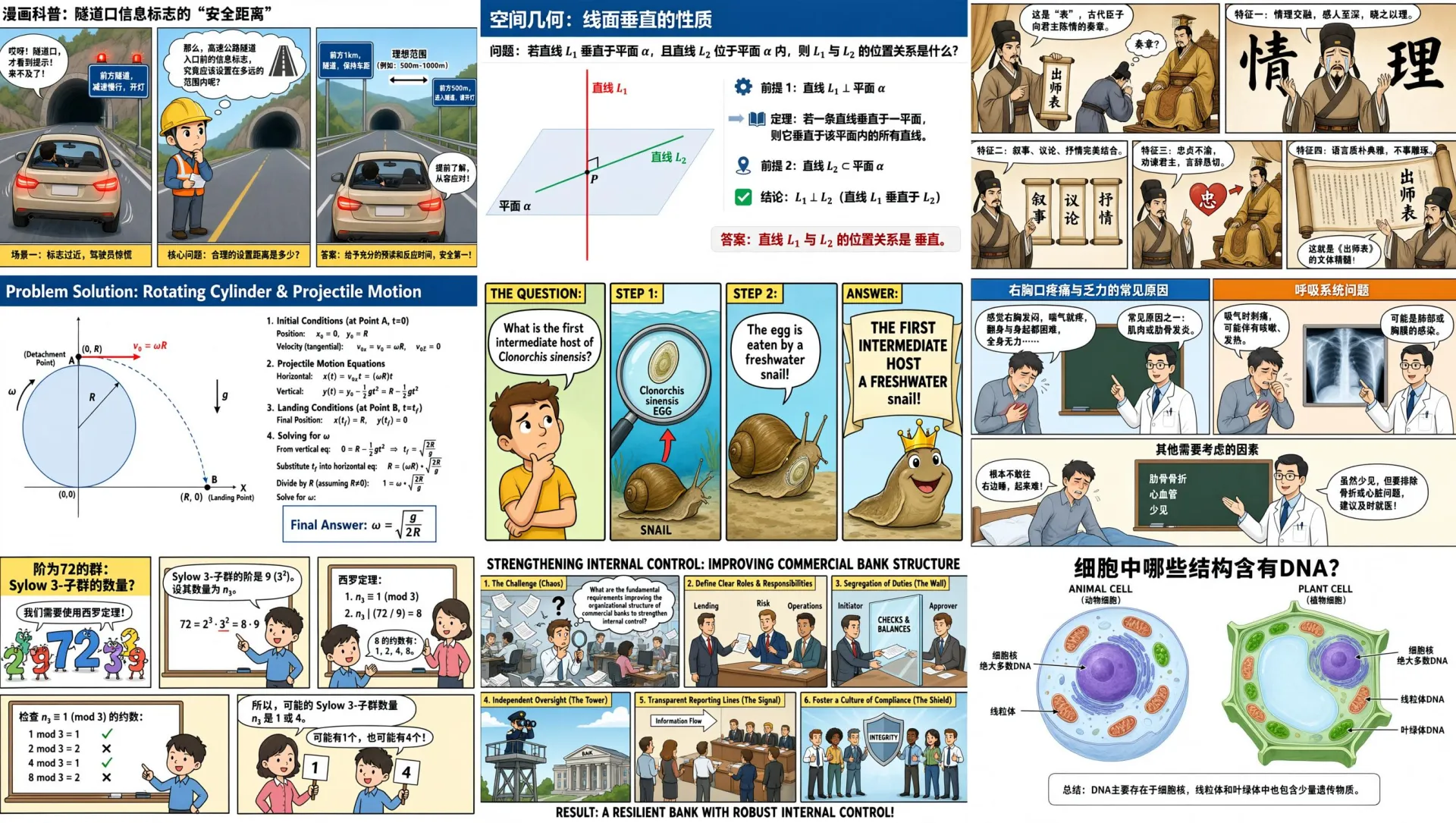
Alibaba has released Qwen-Image 3.0, an updated image generation and editing model capable of creating complex, information-rich layouts—such as UI interfaces and infographics—thanks to support for long prompts and high text rendering accuracy.

What Happened
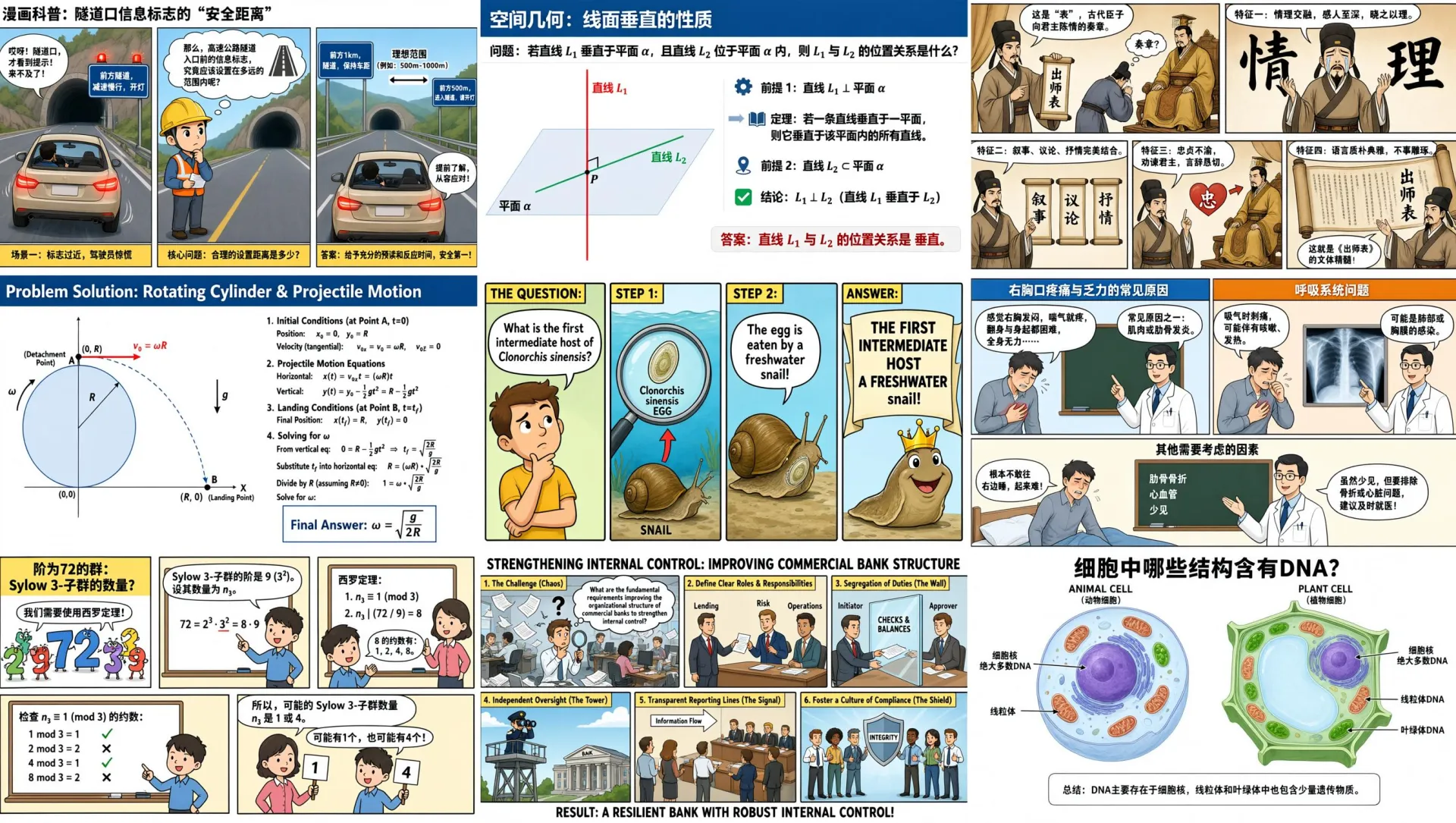
The new Qwen-Image 3.0 model supports prompts up to 4,500 tokens long, which is 4.5 times the capacity of version 2.0. This allows for the generation of detailed grids (e.g., 3x3) and nested interfaces in a single pass. The model can render legible text as small as 10 pixels, supports LaTeX formulas and 12 languages, and includes features for restoring old images.
Context
The development of Qwen-Image 3.0 marks a transition from purely aesthetic image generation to the creation of functional work tools. Unlike previous versions, the emphasis is placed on spatial planning and precise element placement, making the model suitable for design and layout tasks.
Why It Matters for the Industry
The emergence of such a powerful proprietary tool increases competition with GPT-Image and specialized services for designers. However, the lack of open weights, technical reports, and benchmarks in the current release limits the ability for independent scientific verification and assessment of the model's reliability for industrial use.
Why It Matters for Users
Users can access the model's capabilities via Qwen Studio (chat.qwen.ai). This will allow designers, content creators, and students to quickly create highly detailed and structured visual materials, such as presentation slides, scientific diagrams, and interface layouts, where text accuracy is critical.
What Is Not Yet Known / Limitations
The absence of open weights, technical reports, and benchmarks makes it impossible to fully verify the claimed achievements or assess the cost of use for production-ready solutions at this stage.
Sources
Author
Look at AI, Editorial Team