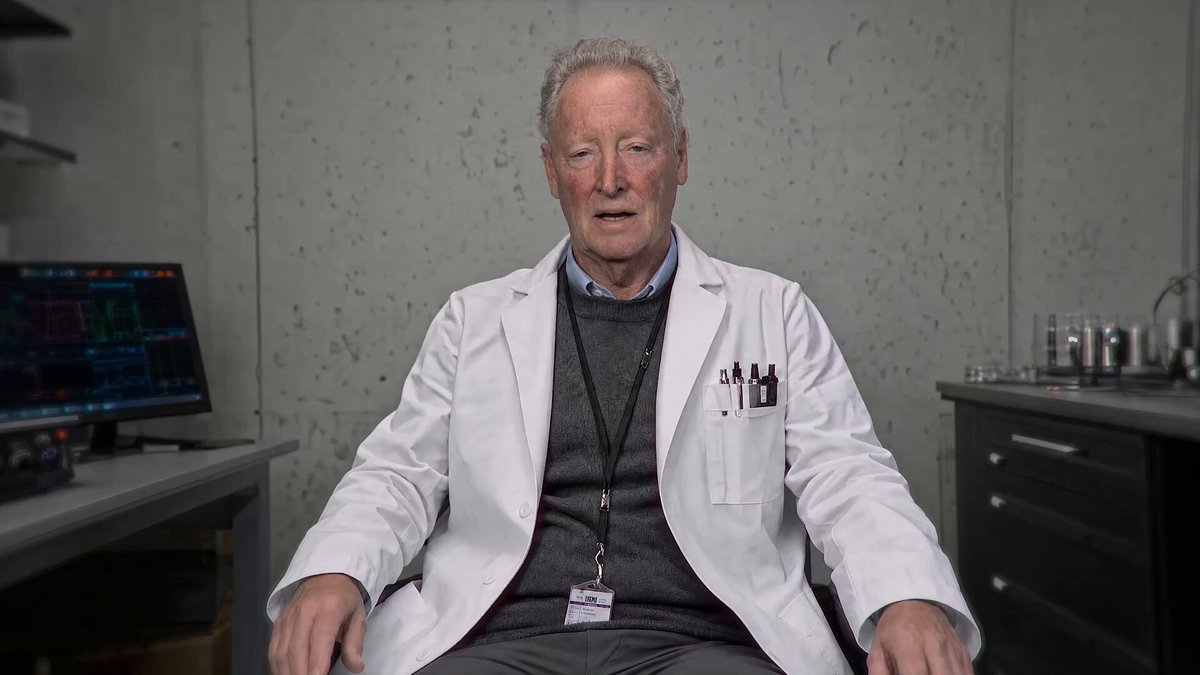
Director Neill Blomkamp has presented the 13-minute science fiction short film NIGHTBORNE, created using the Seedance 2.0 model. The project serves as a demonstration of a new workflow in which every frame is generated via text prompts under the direct control of the director.

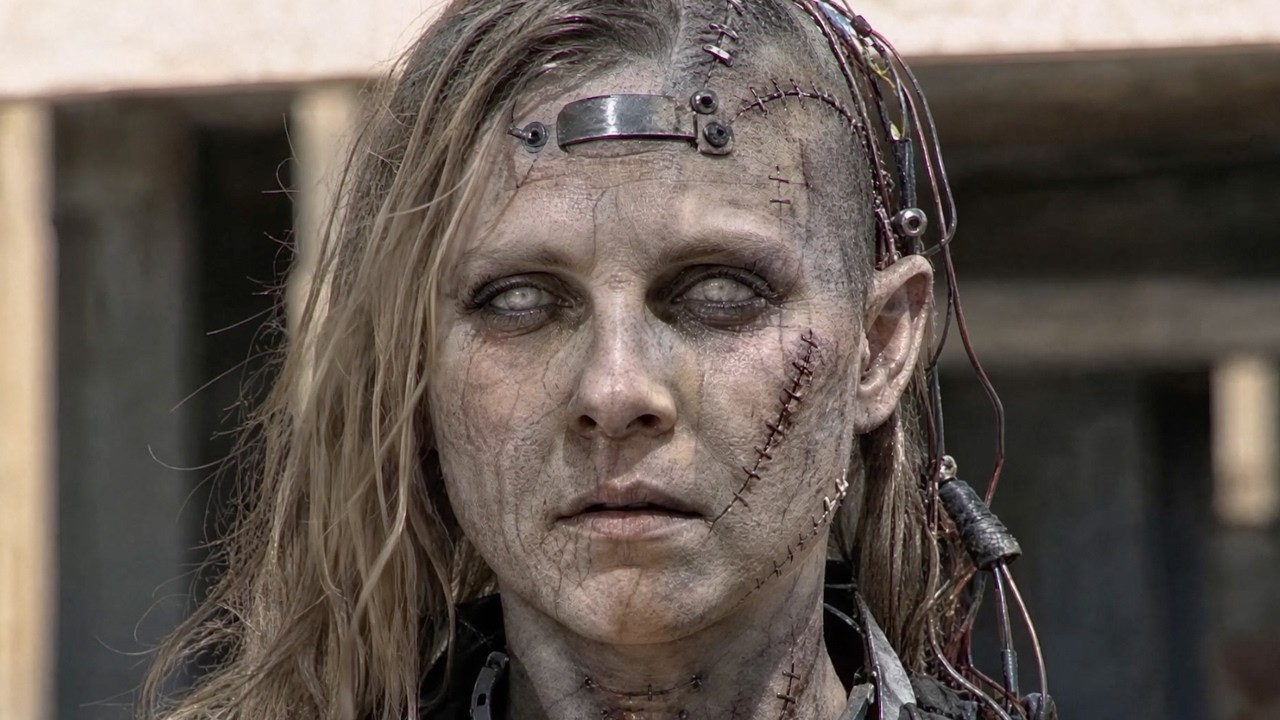

What Happened
Neill Blomkamp released the short film NIGHTBORNE, which utilized the faces and voices of 32 real people based on official likeness agreements. The visuals were created using frame-by-frame prompting technology based on the Seedance 2.0 model, while the concept art was developed by professional artists.
Context
This project is part of an initiative by Barley Studios under Blomkamp's leadership. It marks a transition from using AI as a supplementary tool to full directorial control over a generative video stream, which could lead to the emergence of specialized AI studios replacing traditional VFX pipelines.
Why It Matters for the Industry
For the film industry, this is a paradigm shift: moving from random generation to a controlled directorial workflow. This paves the way for the creation of AI-native studios and could transform production cycles by shifting costs from equipment rental to compute resources and licenses for models and voices.
Why It Matters for Users
Viewers and content creators can see a practical example of how modern neural networks allow for the realization of complex creative concepts with a high level of visual coherence and watchability without the need for massive budgets for traditional filming.
What Is Not Yet Known / Limitations
There is uncertainty regarding the scalability of the technology, the cost of inference, and the technical complexity of implementing such pipelines for full-length feature films.
Sources
Author
Look at AI, Editorial