Using the Claude Fable LLM to automate the setup of complex musical equipment opens new possibilities for working with closed protocols and proprietary software.
What Happened
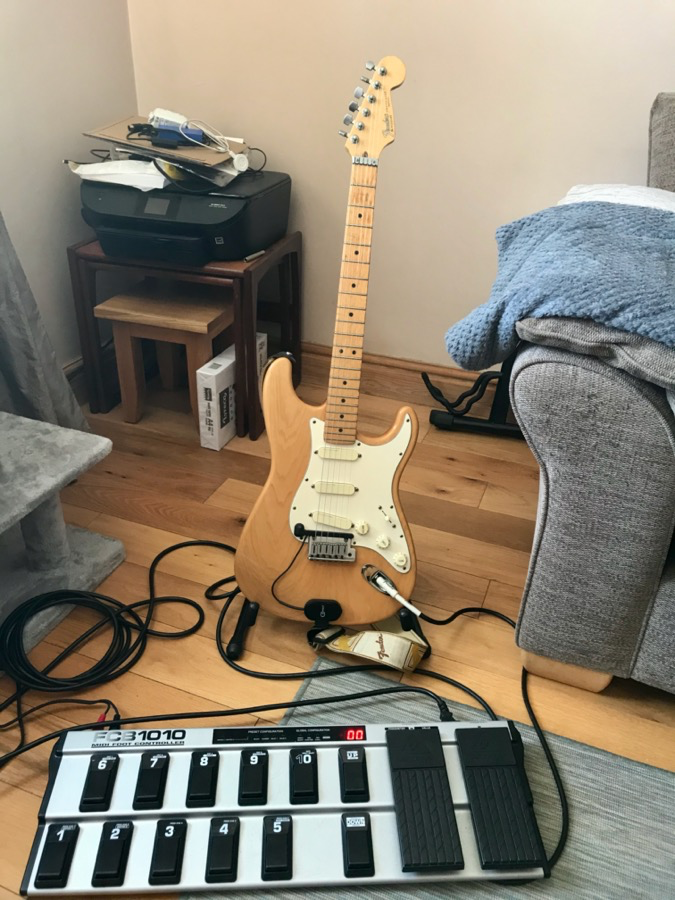
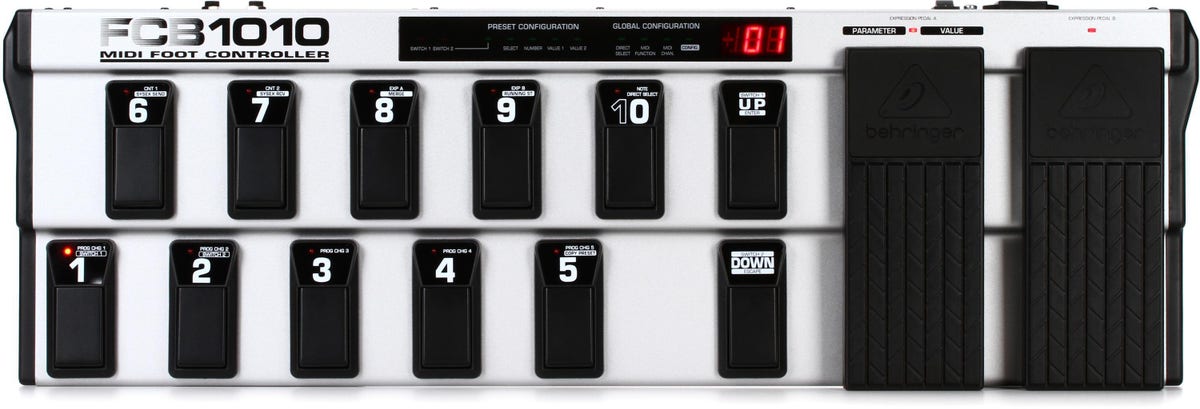
A developer utilized the Claude Fable model as an AI partner to automate the configuration of guitar equipment. Using a Python library and SysEx message manipulation, they successfully configured the Behringer FCB1010 MIDI controller. Additionally, by reverse engineering the JSON files of the BIAS FX 2 software, they achieved mass modification of preset signal chains, allowing for programmatic control of effects and bypassing cumbersome physical device menus.
Context
Traditional configuration of specialized musical hardware and professional software often requires significant time spent searching for parameters within deep and unintuitive menus. This case demonstrates a shift from using LLMs as simple chatbots to acting as active engineering agents capable of deciphering complex data structures and low-level control protocols.
Why It Matters for the Industry
This case demonstrates the practical potential of LLMs in reverse engineering proprietary data formats and generating low-level code to control hardware devices via MIDI/SysEx. The emergence of such usage patterns could lead to an increase in tools and open-source libraries that "revive" or automate the management of legacy or closed equipment, creating intelligent abstractions over proprietary systems.
Why It Matters for Users
For musicians and enthusiasts, this means the emergence of tools to automate routine setup tasks. Instead of spending hours studying menus, code can be used for instantaneous configuration of an entire setup. In the long term, this could lead to the integration of AI agents directly into the design and operation workflows of complex software-hardware complexes.
What Remains Unknown / Limitations
There is a fundamental conflict between the technical value of this case (automation and lowering the barrier to entry) and the legal risks associated with potential violations of EULAs and intellectual property rights during the reverse engineering of proprietary software.
Sources
- How Claude's Fable Model Saved My Gear and Got Me Excited About Playing Guitar Again
- GitHub Repository: fcb1010-biasfx2
Author
Look at AI, Editorial Team