Claude.ai users have discovered a way to optimize their use of the neural network by using the 'routines' function in the web interface to manipulate message limit reset windows.
What Happened
To bypass strict quotas, users have begun using automated sending of short messages (e.g., "Hi") every 5 hours via the routines function. This allows them to "shift" the limit reset window to a time more convenient for the user, maintaining model availability during working hours. Meanwhile, for Codex users, the 5-hour limits have already been temporarily lifted.
Context
The method is based on the 5-hour limit reset mechanism, which is triggered by the first message in a new window. Technically, this does not represent a change in the service's architecture, but rather the management of session state through interface automation.
Why It Matters for the Industry
This case demonstrates the flexibility of user patterns in the face of strict quotas on LLM computational resources. It highlights the importance of refining user experience (UX) when managing limits and may push developers to implement more adaptive quota systems or mechanisms to protect against such automated "empty" requests.
Why It Matters for Users
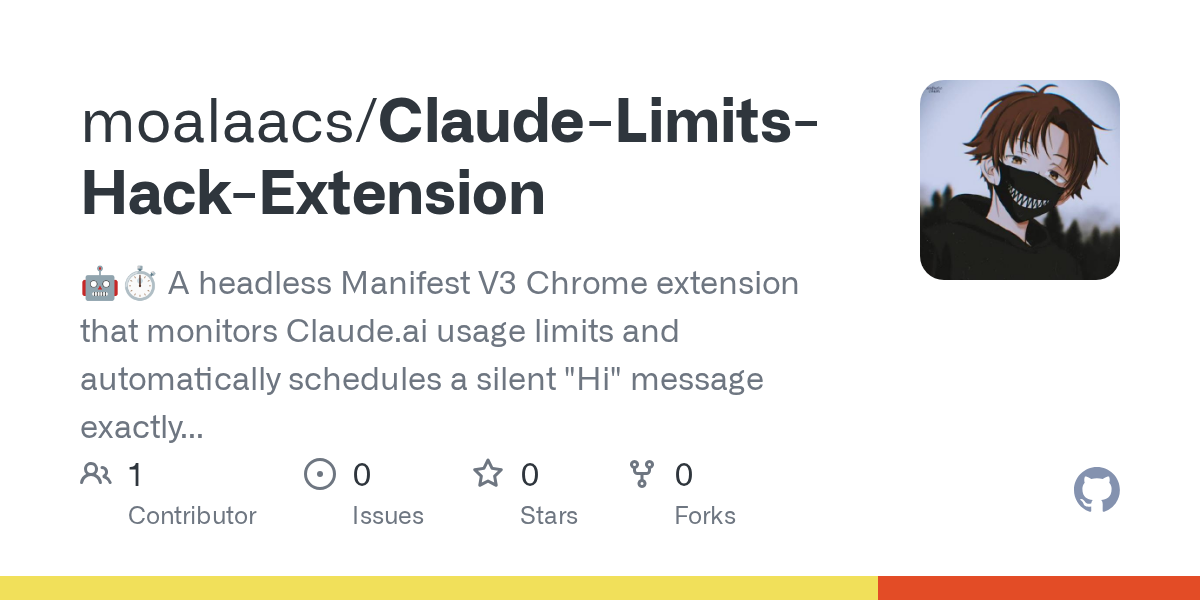
Users can more effectively distribute access to Claude.ai throughout the workday by adjusting limit reset windows to fit their schedules. To achieve this, they can use both built-in functions and third-party tools, such as the Claude Limits Hack Extension on GitHub.
What Is Not Yet Known / Limitations
There are differing views on the method: while product builders see it as a useful optimization of the work cycle, machine learning engineers and enterprise solution architects view it as an unreliable "workaround" that could be quickly neutralized by Anthropic.
Sources
Author
Look at AI, Editorial Team