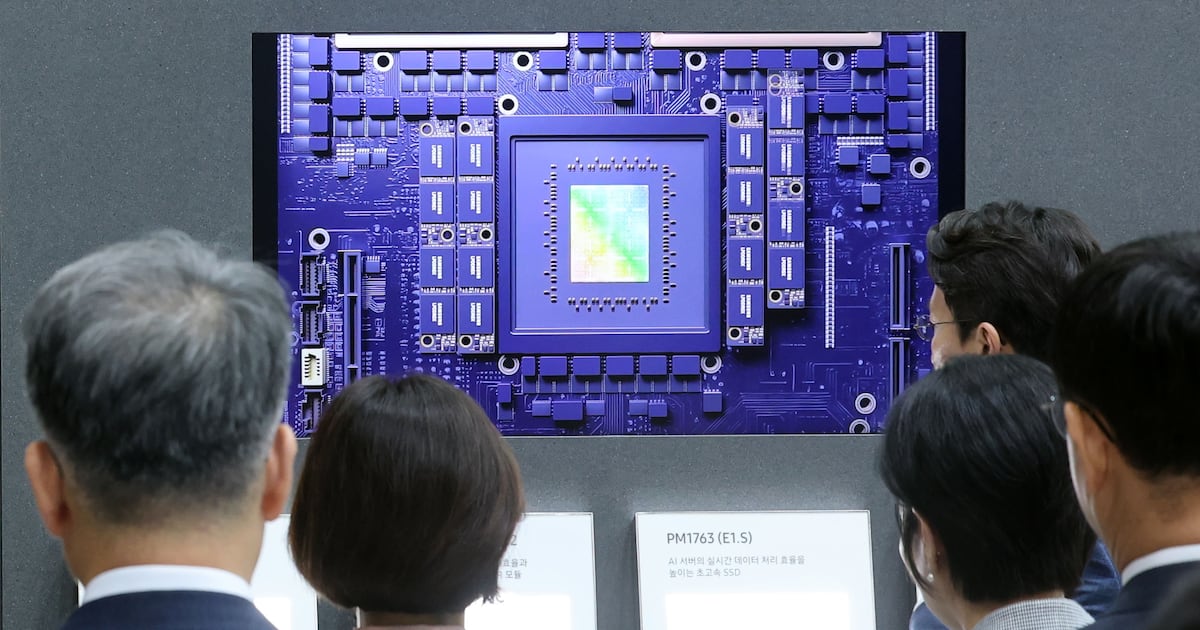
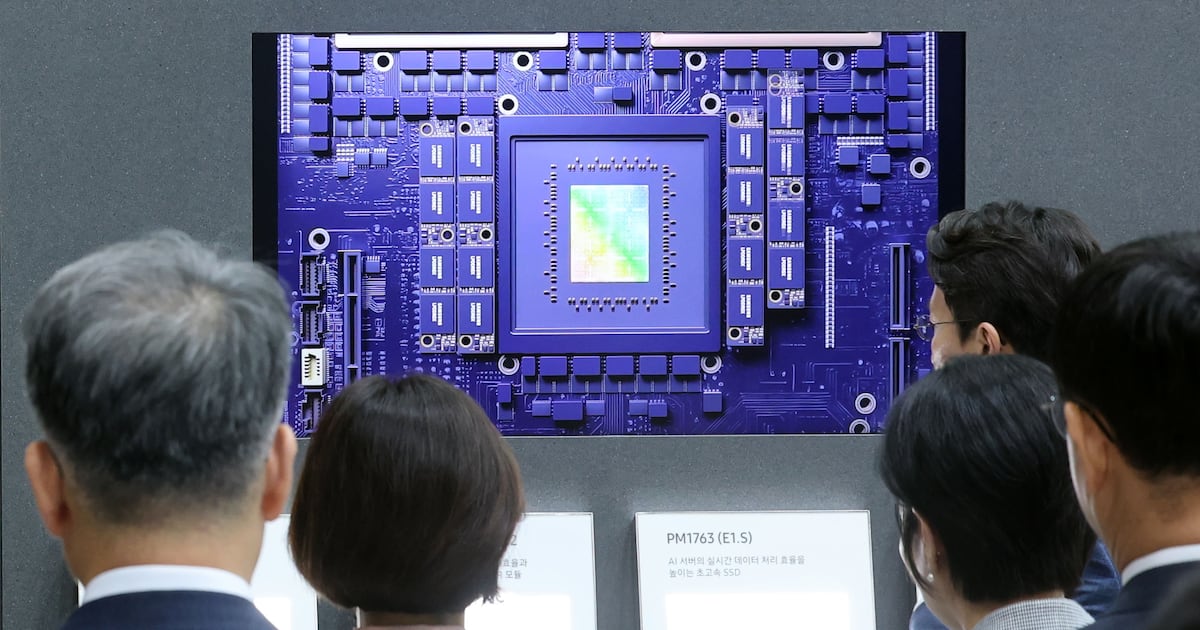
Samsung Electronics has unveiled the GAIA project, a specialized AI accelerator based on a 4nm process designed to boost personal computer performance when working with generative models.
What Happened
Samsung is developing the GAIA AI accelerator with a Processing-in-Memory (PIM) architecture, which integrates computations directly into DRAM modules. Chip prototypes have already been delivered to vendors HP and Lenovo for performance testing.
Context
Unlike traditional approaches where the NPU is integrated into the CPU, GAIA is a "memory-centric" solution. This allows it to overcome the low memory bandwidth problem, which is the primary bottleneck when running large language models (LLMs) locally.
Why It Matters for the Industry
The shift from CPU-integrated solutions (such as NPUs from Intel, AMD, or Qualcomm) to dedicated accelerators with PIM architecture could radically change the paradigm of local computing, significantly reducing power consumption and data latency.
Why It Matters for Users
Laptop and desktop users will be able to run resource-intensive AI functions, such as local LLMs, image generation, and synchronous translation, faster and more efficiently, as computations will occur within the memory chips themselves rather than through the general system bus.
What Is Not Yet Known / Limitations
The project is currently in the prototype testing stage with third-party vendors; there is no mass access to ready hardware at this time. Full-scale mass production is not expected until no earlier than 2027.
Sources
Author
Look at AI, Editorial Team