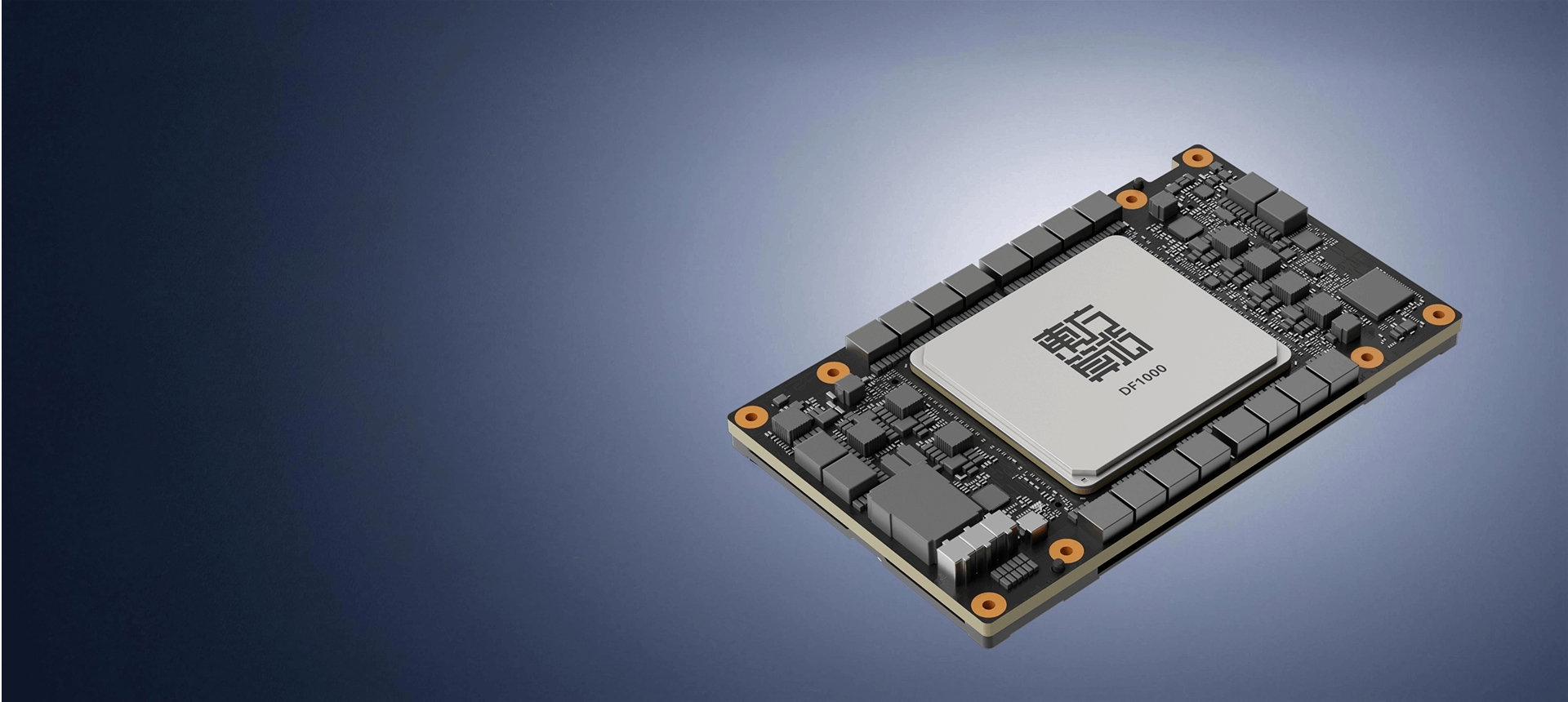
Chinese company DFSX has announced the DF1000 — a new high-performance accelerator for artificial intelligence tasks. The key feature of the device is the use of 3D near-memory (3D DRAM) architecture, designed to solve the problem of limited memory bandwidth when working with large models.
What Happened
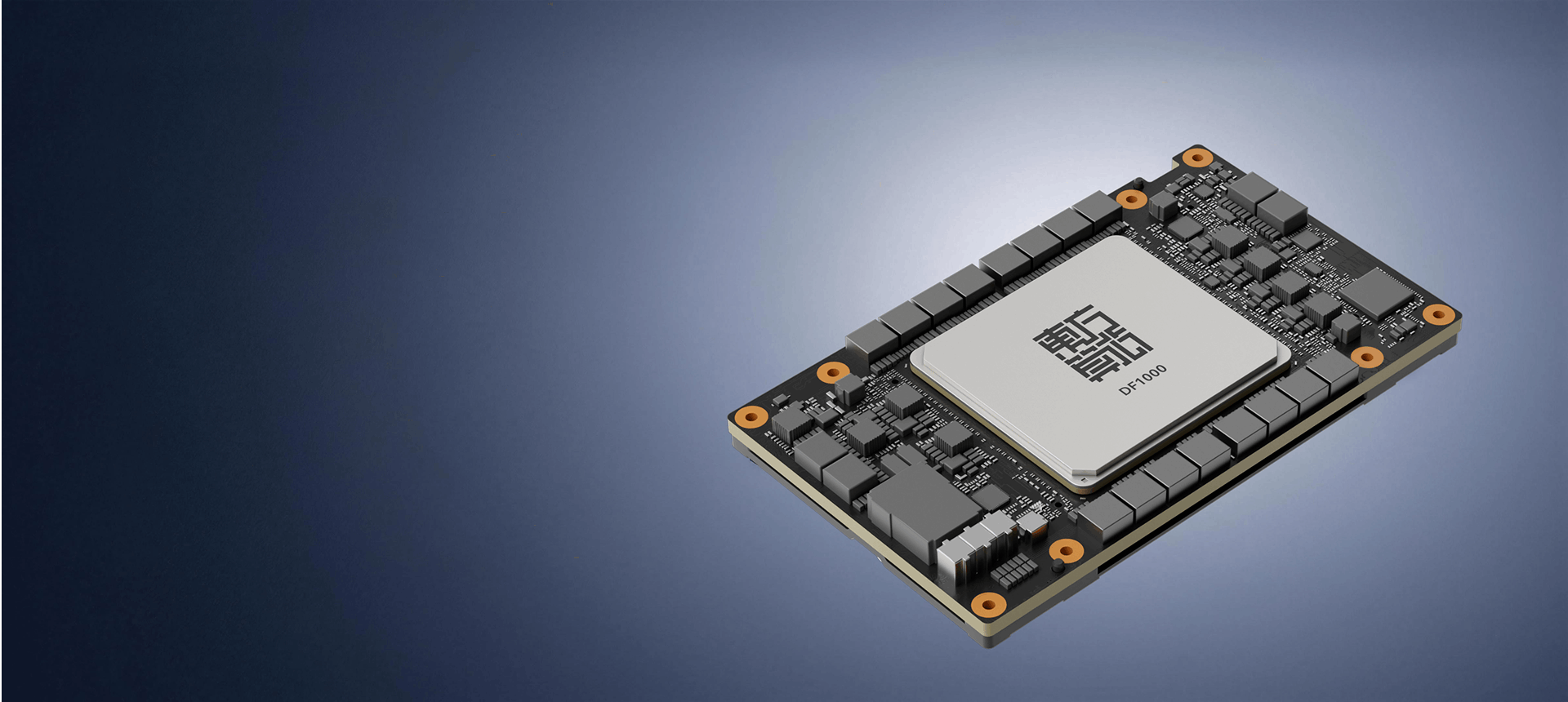
DFSX has presented the DF1000 AI accelerator card, developed based on a fully local Chinese supply chain. The device supports the OAM 2.0 standard, ensuring compatibility with modern AI servers. Primary application scenarios include large language model (LLM) training and distributed inference (AFD).
Context
When scaling neural networks, developers encounter the so-called "memory wall" — a situation where computation speed is limited by the data transfer rate from memory. The application of 3D near-memory (3D DRAM) technology allows memory to be physically placed closer to the computing cores, increasing computational density and system bandwidth.
Why It Matters for the Industry
The release of the DF1000 marks a shift from simply increasing the number of chips to optimizing the architecture of memory-processor interaction. The use of the OAM 2.0 standard and a local production base allows for the creation of denser and more performant infrastructure solutions capable of competing with Western counterparts in specific LLM training and inference scenarios.
Why It Matters for Users
For developers and companies, this means the emergence of alternative hardware solutions that can reduce the total cost of ownership (TCO) when working with large models by increasing resource utilization efficiency. New architectural approaches could become a standard for bypassing the limitations of current AI accelerators.
What Is Not Yet Known / Limitations
At the moment, the product is in the announcement stage, and experts point to the lack of specific performance benchmarks and device cost data, which makes it difficult to assess its real-world effectiveness in production environments.
Sources
Author
Look at AI, Editorial Team