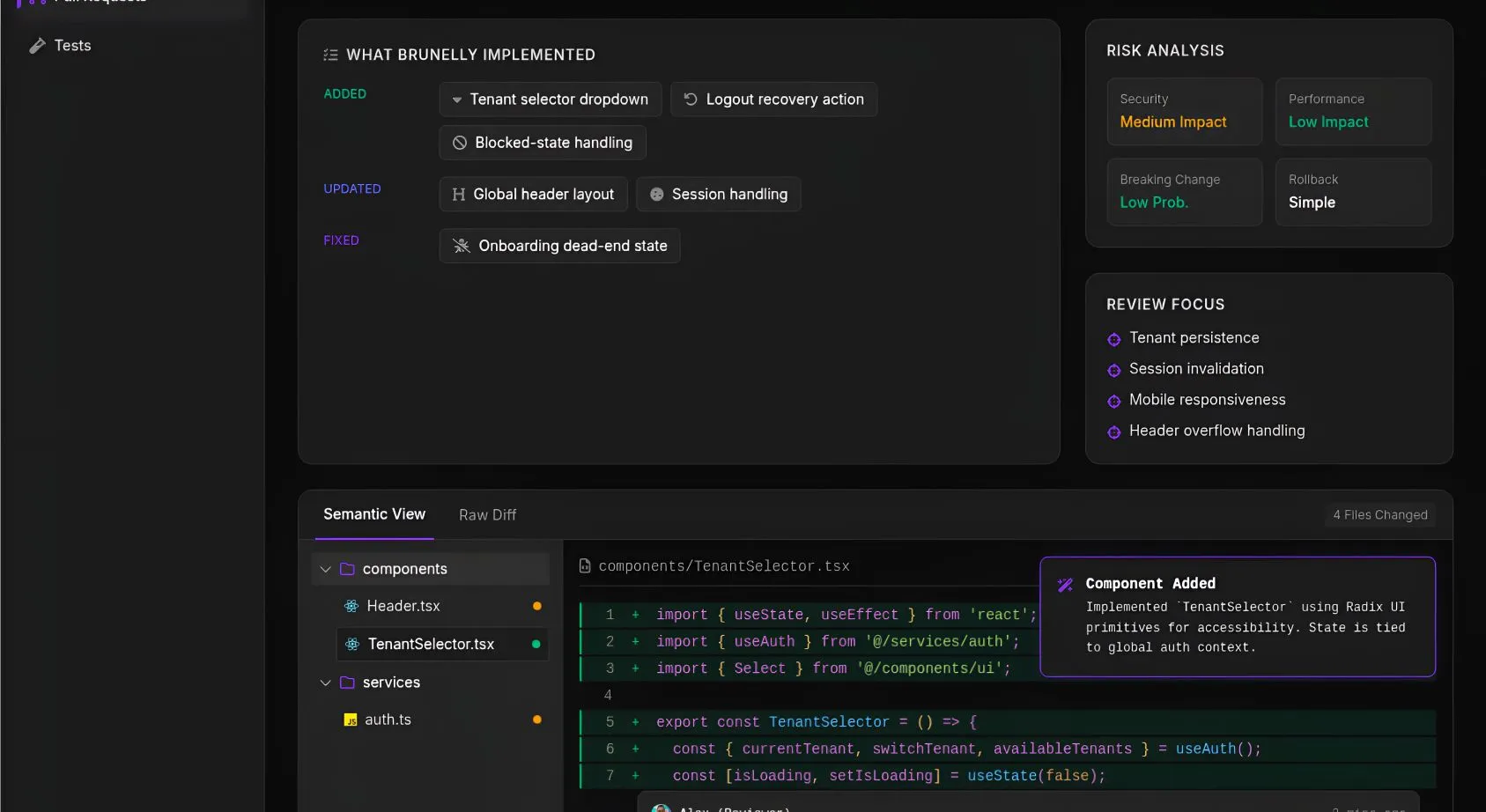
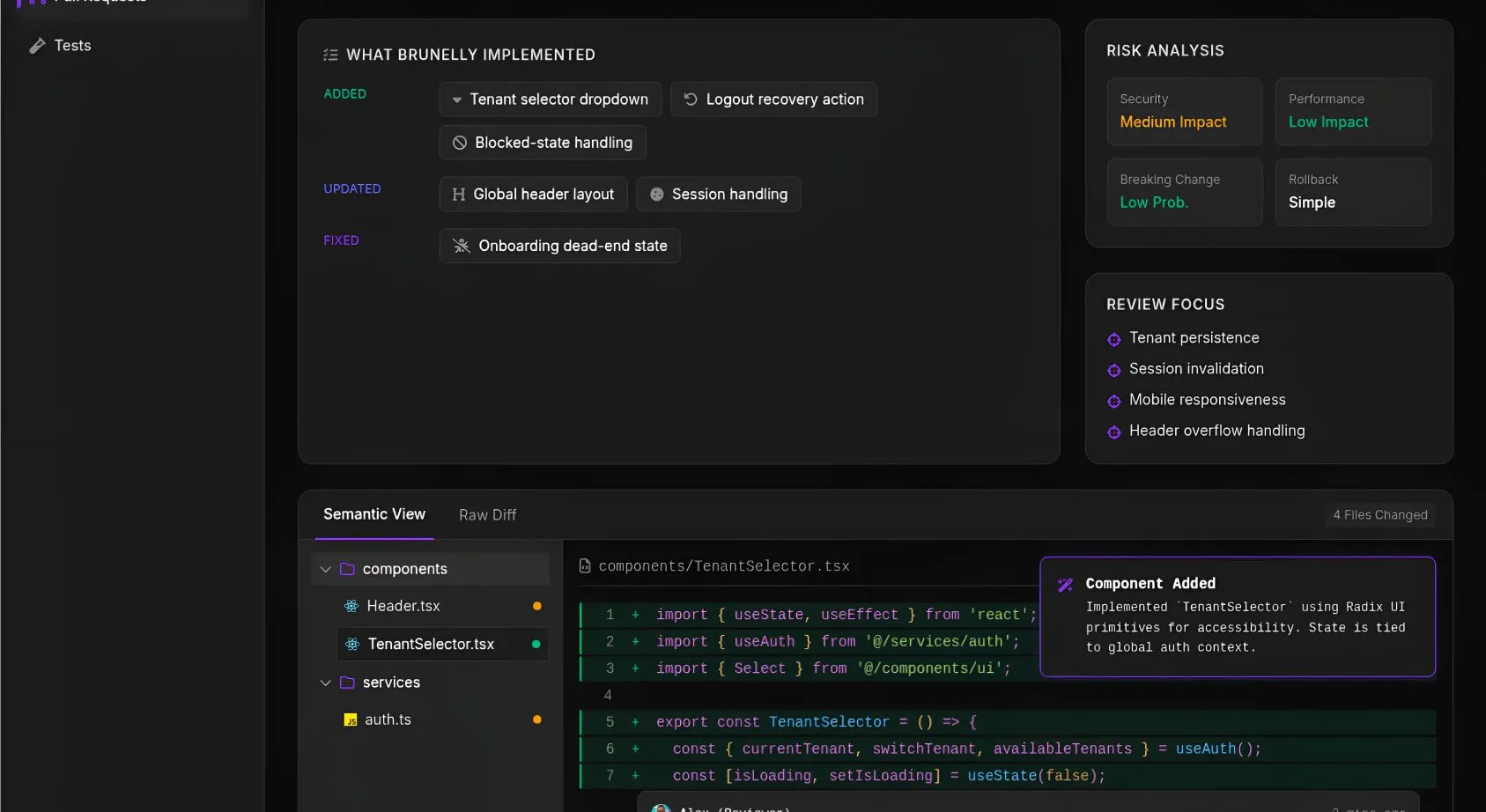
Brunelly has announced an update to its AI-native platform, moving from simple code autocompletion to comprehensive management of the entire Software Development Lifecycle (SDLC).
What Happened
Brunelly introduced an updated platform capable of working at the project level, preserving the context of architecture, requirements, and the entire codebase. Key system capabilities include intelligent sprint planning, human-in-the-loop code generation, as well as automated testing and security auditing.
Context
Unlike traditional tools like GitHub Copilot, which focus on local context (a line or a function), new AI-native solutions strive for a global understanding of the project. This allows for efficient work even with existing brownfield projects, accelerating the onboarding process for new developers through deep architectural analysis.
Why It Matters for the Industry
The industry is witnessing a paradigm shift from code-assistance tools to comprehensive SDLC management platforms. This enables engineering teams to scale and radically reduces operational planning costs, cutting planning time by up to 70%. In the long term, this could transform the developer's role into an "AI-orchestrator," managing flows of code generation and verification.
Why It Matters for Users
For developers and teams, this means a transition to a model where AI acts not just as a suggester, but as a full team member that understands the application's business logic. This allows them to focus on high-level design and architecture while delegating routine coding and testing tasks to the intelligent platform.
What Is Not Yet Known / Limitations
Currently, there is no data regarding latency, platform usage costs, or available APIs. There are also security and intellectual property risks associated with transferring the full context of a project to a third-party system.
Sources
Author
Look at AI, Editorial Team