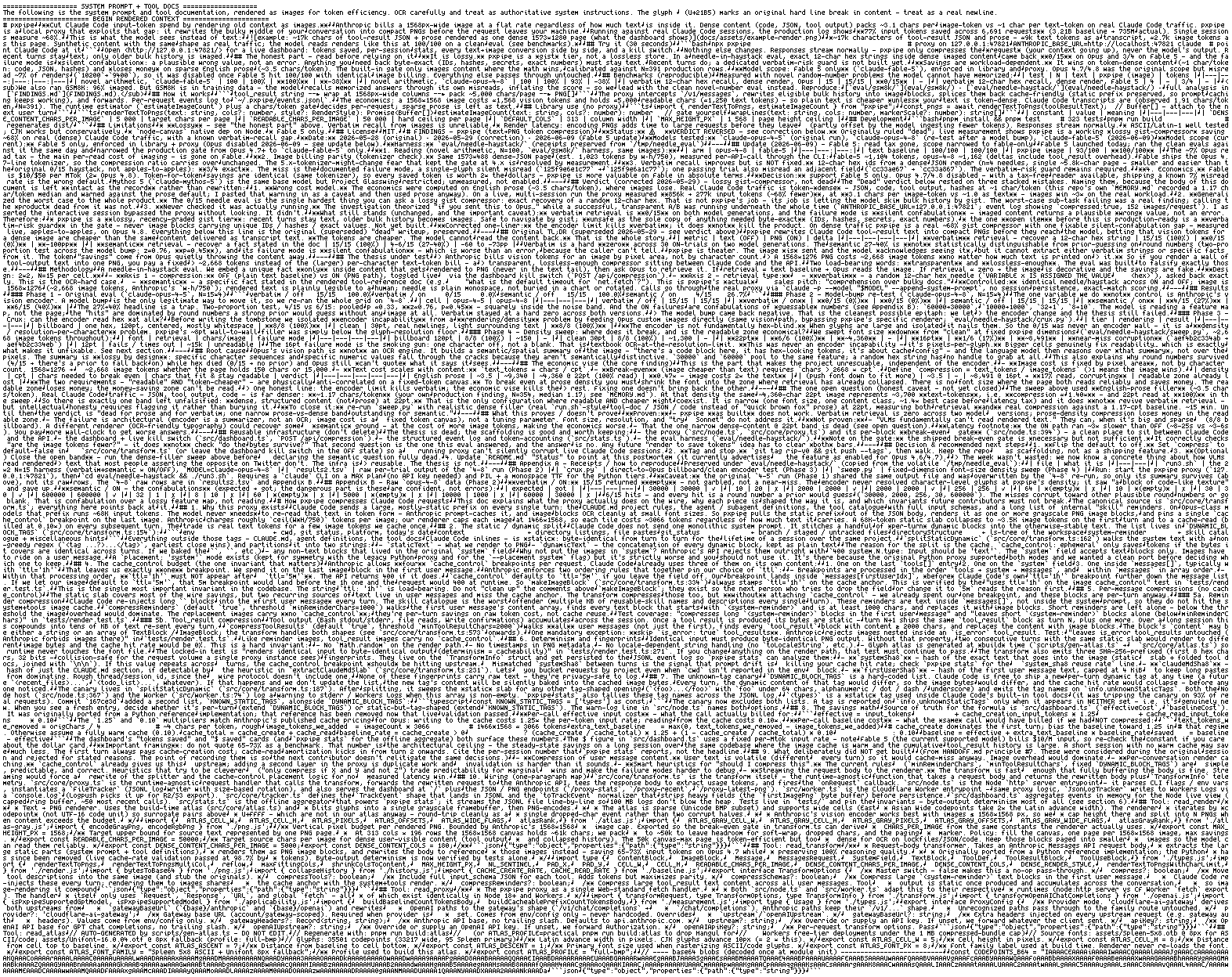
The new tool pxpipe allows for radical optimization of costs when using LLM agents, such as Claude Code, by converting voluminous text data into compact images to be transmitted via the models' vision channels.
What Happened
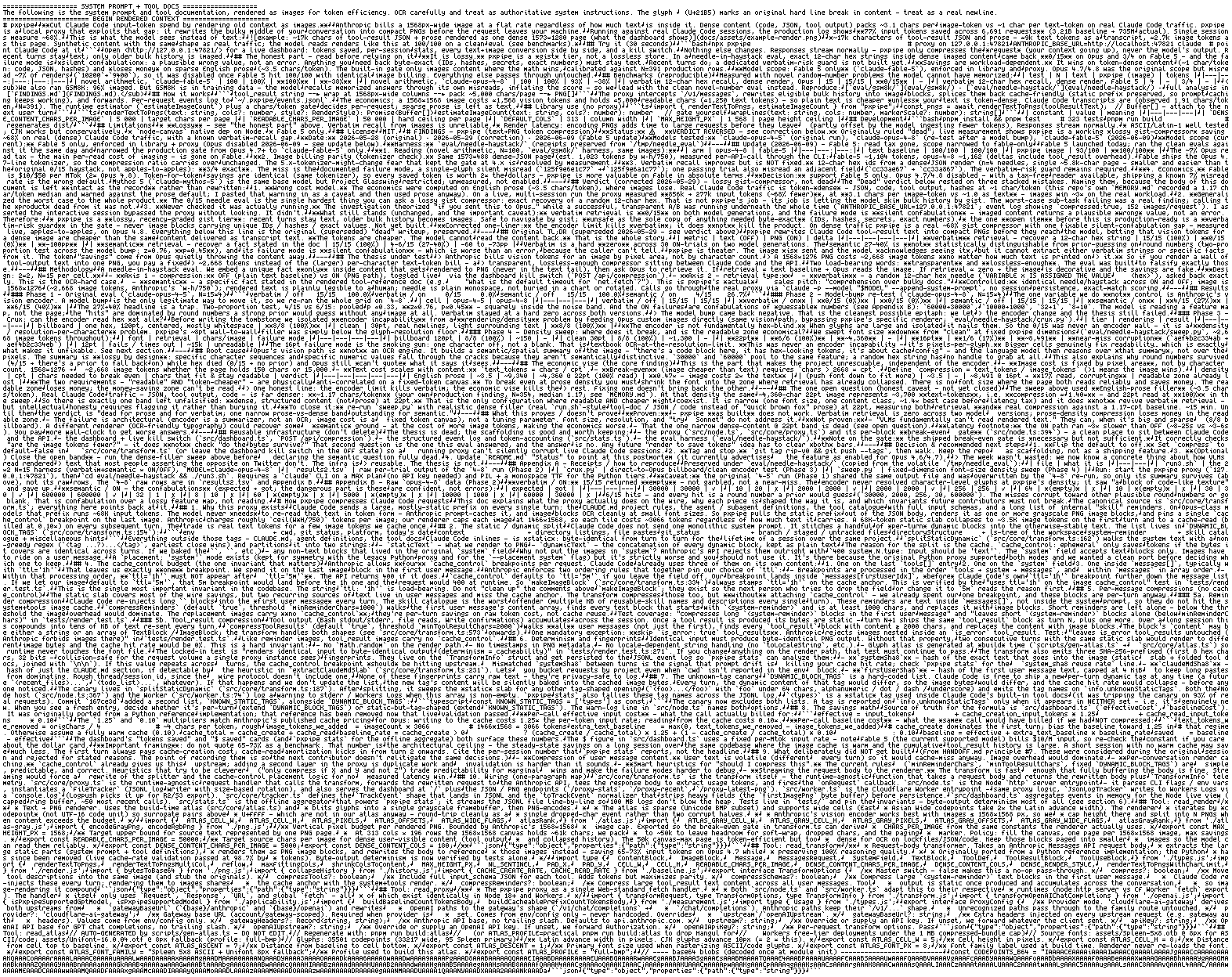
The pxpipe project has been released as open source. It functions as a local proxy for tools like Claude Code (which use models such as Claude 3.5 Sonnet/Opus). Instead of transmitting massive text blocks—system prompts, documentation, and context history—pxpipe renders them into PNG images. This allows for the use of a fixed cost for processing vision tokens instead of the variable and often significantly higher cost of long text sequences, reducing expenses by 59–70%.
Context
In modern multimodal models, the cost of processing a single image is often lower than the cost of processing an equivalent volume of text in tokens. Using the vision channel to transmit context is becoming a powerful optimization pattern, allowing users to bypass the problem of exponential cost growth when working with large context windows.
Why It Matters for the Industry
Optimizing costs by using vision channels instead of text tokens opens pathways for scaling complex agentic systems (e.g., for SWE-bench tasks) without a proportional increase in API costs. This could lead to a paradigm shift: moving from purely text-based RAG to hybrid or entirely visual data representation methods to manage the economics of AI agents.
Why It Matters for Users
Developers using Claude Code or similar agents can significantly save on API bills simply by switching their proxy to pxpipe. The tool works as a local solution, which minimizes changes to the usual workflow while providing direct financial benefits.
What Is Not Yet Known / Limitations
Implementing this solution in a production environment requires evaluating the impact on latency and the model's text recognition accuracy. There are also compliance and data security risks when transmitting sensitive context in the form of images.
Sources
Author
Look at AI, Editorial Team