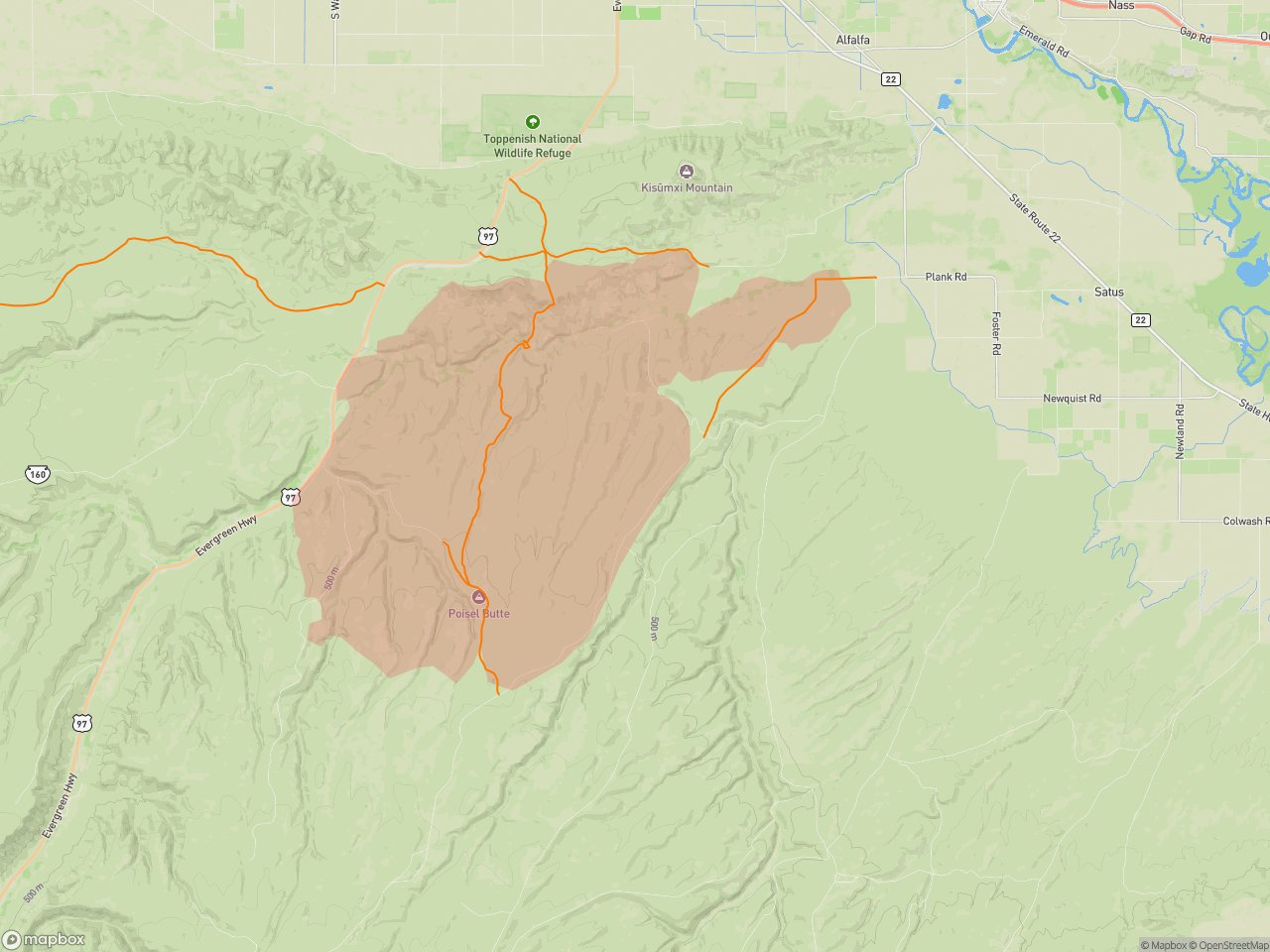
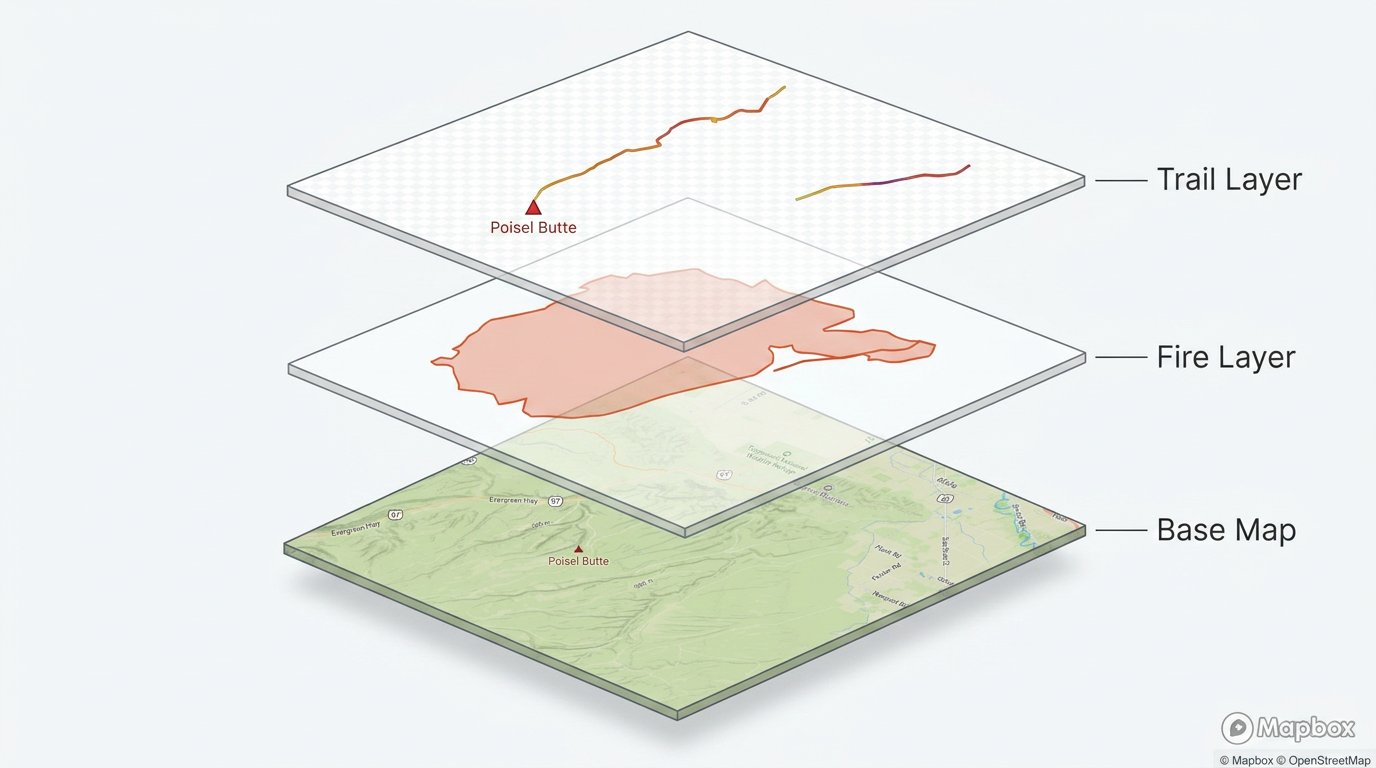
RidgeText has introduced the Layer-First architecture, which solves the problem of LLM context window overload when processing heavy geospatial data. Instead of passing massive GeoJSON objects directly to the model, the system uses an orchestration approach where the LLM manages only lightweight layer identifiers, offloading the primary workload to the backend.
What Happened
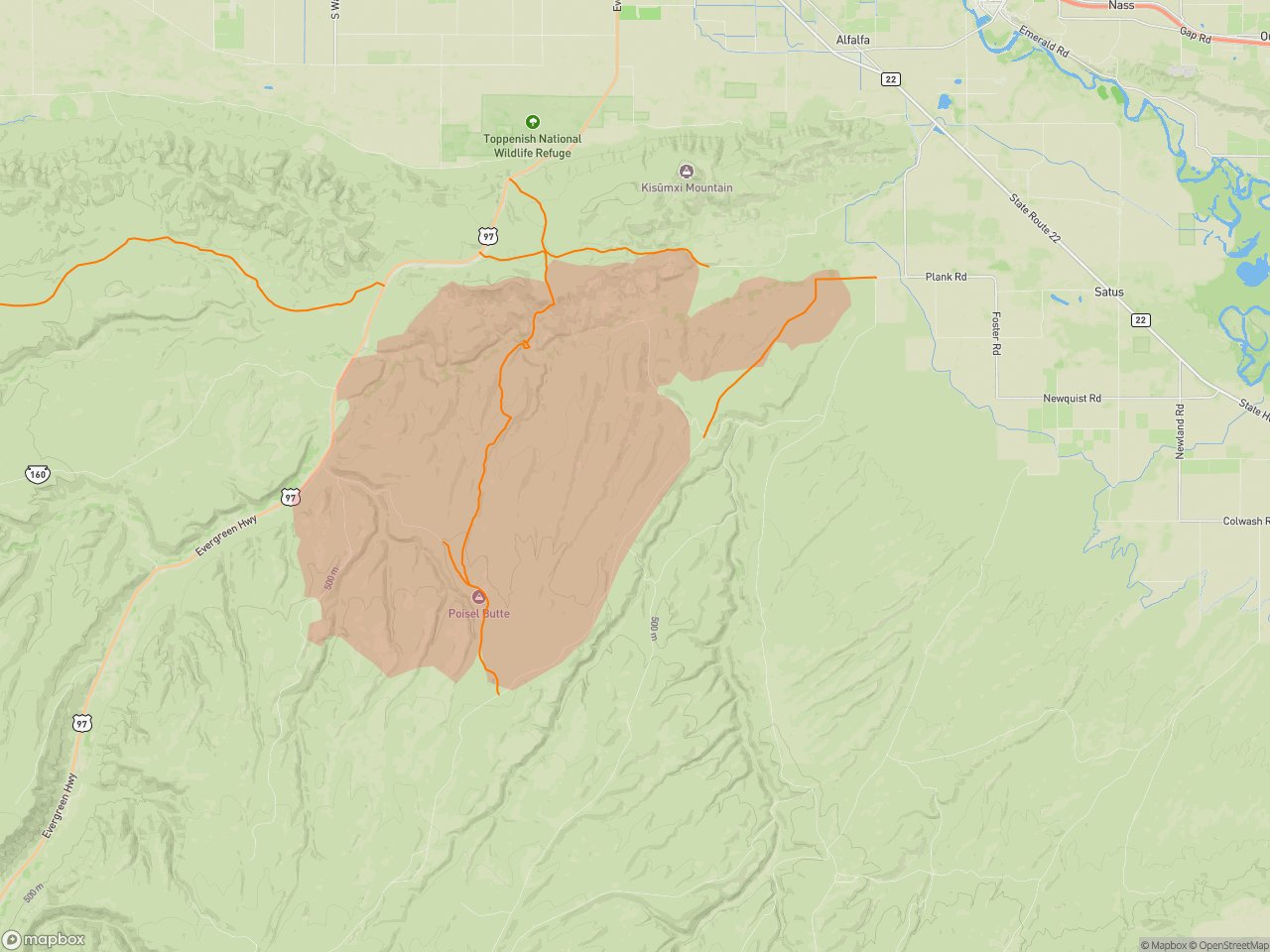
RidgeText implemented a new map generation method using in-memory layers. In this scheme, the LLM acts as a command dispatcher rather than the primary data store. This allows for a reduction in token consumption from potentially 125,000 down to approximately 150 per request, utilizing Mapbox for final server-side rendering.
Context
When working with spatial data, models often encounter the "LLM as a data pipe" pattern, where the neural network is used simply as an intermediary to forward massive arrays of information. This leads to context window bloating, a sharp increase in inference costs, and the risk of hallucinations due to forced data truncation.
Why It Matters for the Industry
For the AI agent development industry, this represents a shift toward the "LLM as an orchestrator" model. Such an architecture is critical for the scalability of systems working with heavy context—whether it be geospatial data, system logs, or complex ETL pipelines. This allows for the construction of efficient tools without competing on context window size, instead optimizing how the model interacts with external data.
Why It Matters for Users
AI agent developers are advised not to force models to "swallow" raw data. Moving heavy processing and composition logic to the backend while maintaining the LLM's role as a dispatcher allows for the creation of more reliable, cheaper, and faster tools for working with maps and complex visualizations.
Sources
Author
Look at AI, Editorial Team