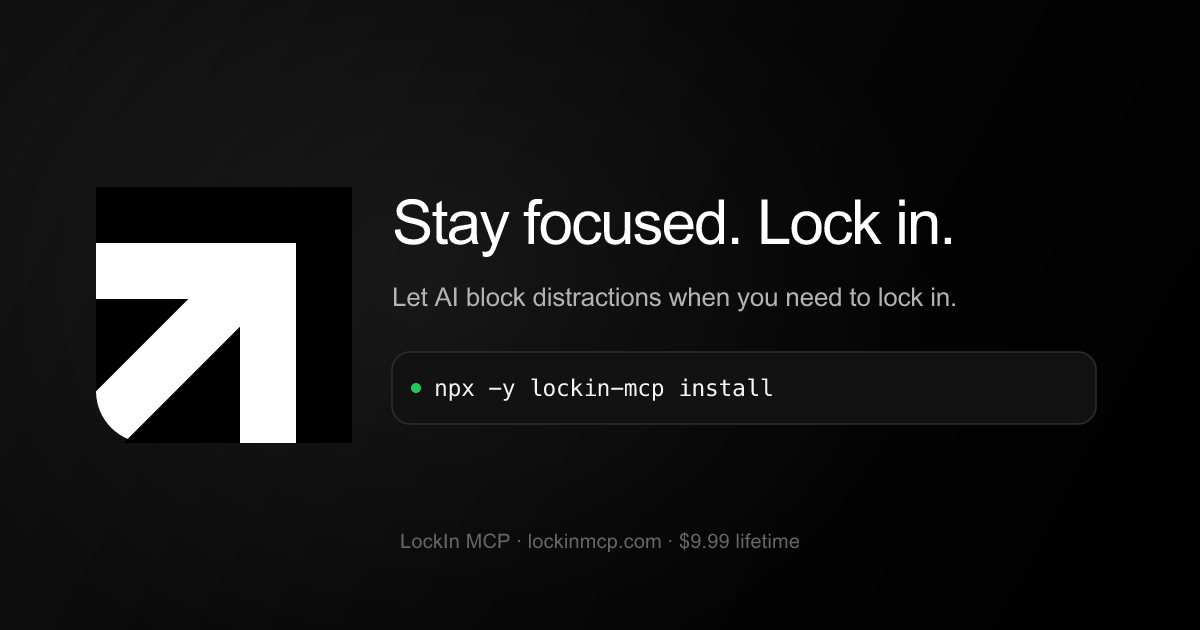
A developer has introduced LockIn MCP—a specialized Model Context Protocol (MCP) server that allows AI assistants to directly manage the system hosts file to block distracting websites. By operating at the operating system level via a background daemon, the tool provides a level of control that cannot be bypassed using standard browser extensions.
What Happened
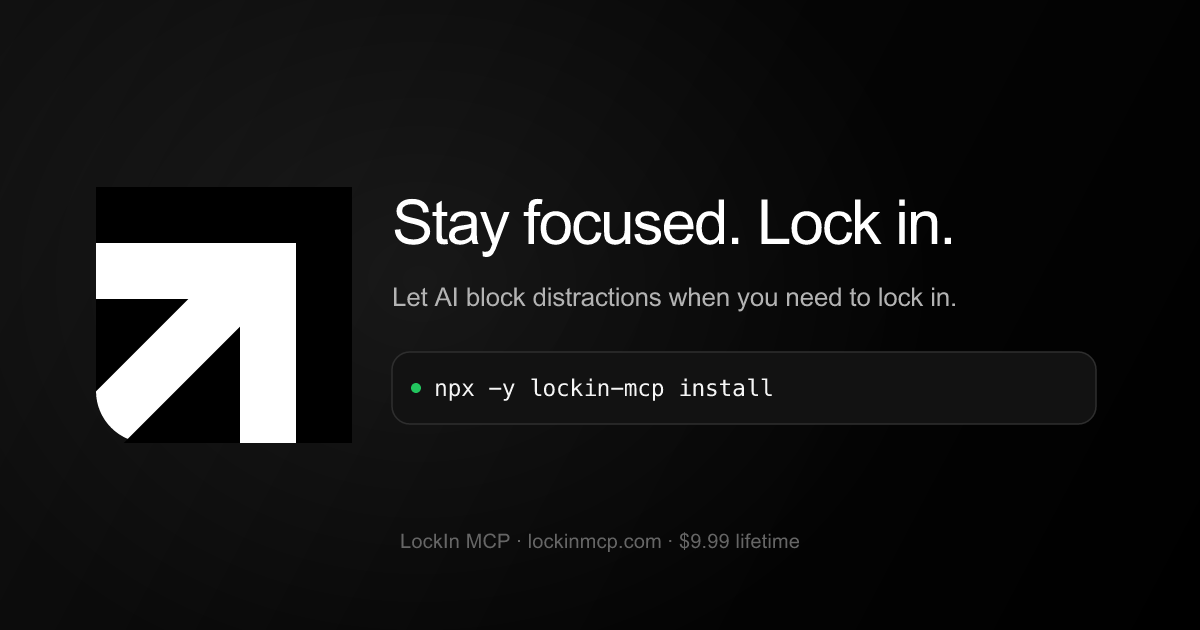
The LockIn MCP project has been launched, providing tools like Claude, ChatGPT, and Cursor with a set of functions to manage focus. The MCP server includes tools such as block_site for blocking resources, unblock_temp for providing temporary access, as well as focus_session and get_status commands. The solution's architecture includes a background daemon for state synchronization and a relay URL to ensure proper functionality with cloud agents.
Context
The Model Context Protocol (MCP) is becoming the standard for providing AI agents with controlled access to system resources and local APIs. Unlike simple chatbots using MCP, LockIn MCP demonstrates the transition toward agentic workflows, where the model is granted the authority to act as an active task executor at the OS level.
Why It Matters for the Industry
The project highlights the growing role of MCP as a key standard for secure interaction between LLM agents and local computing environments. This sets an industry trajectory toward the standardization of access protocols (Sandboxing vs. Full Access) and the creation of specialized MCP servers that transform local models into full-fledged system administrators.
Why It Matters for Users
For regular users, this offers the opportunity to turn a familiar chatbot into a full-scale productivity coach. An AI agent can physically restrict access to resources like Reddit or YouTube at the system level, helping users adhere to work or study schedules.
What Is Not Yet Known / Limitations
There is a fundamental conflict between the practical value of productivity tools and the requirements for security and privacy, especially when deploying such solutions in enterprise environments.
Sources
Author
Look at AI, Editorial Team