Researchers from UC Berkeley have developed an AI system capable of identifying the risk of sudden cardiac death (SCD) based on the analysis of standard ECG recordings. The model, trained on 440,000 records from Sweden and tested in the US and Taiwan, demonstrates accuracy that surpasses current clinical diagnostic standards.


What Happened
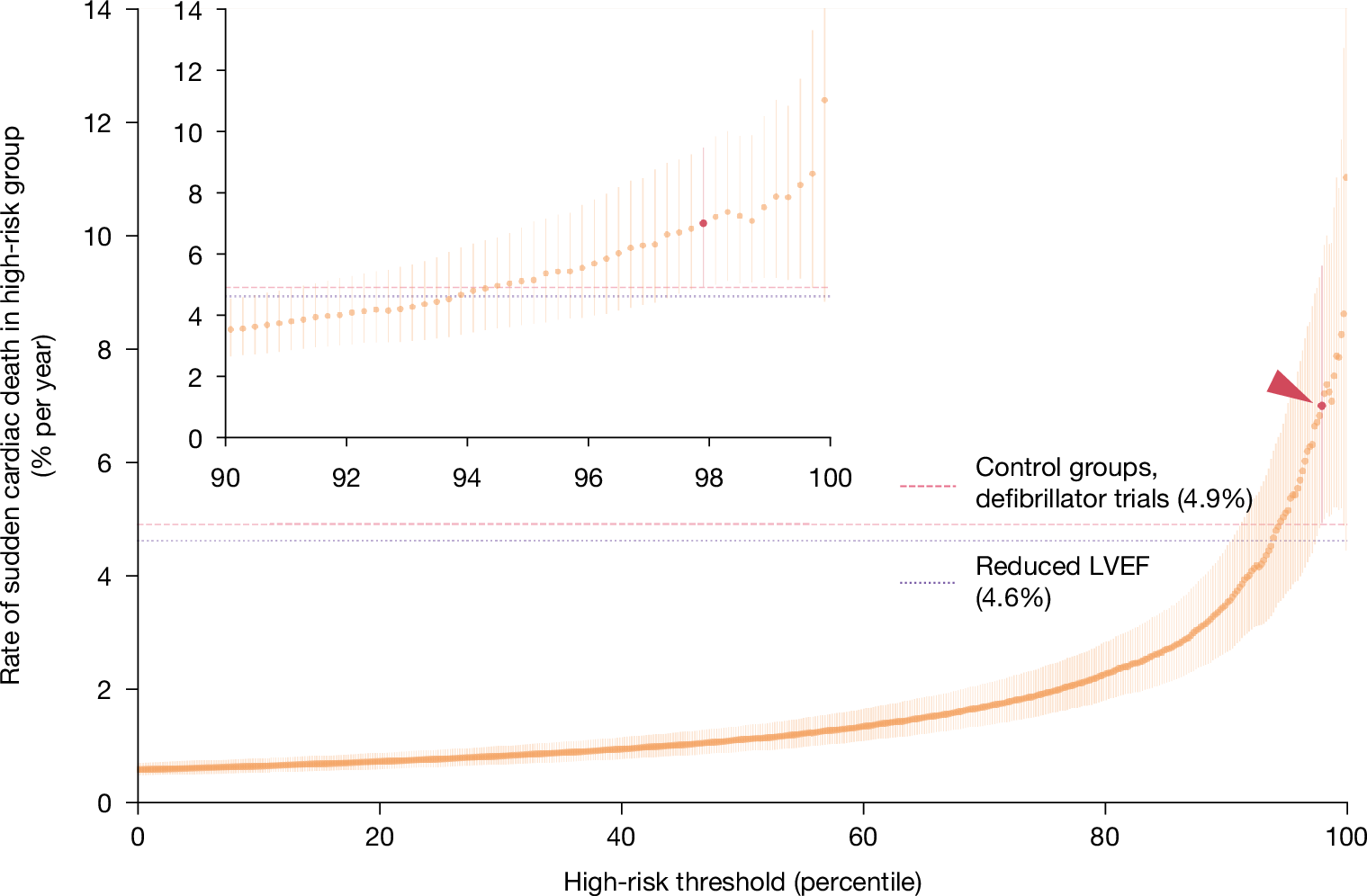
The developed model analyzes specific patterns of electrical heart activity that are often missed by traditional methods. In the high-risk group identified by the AI, the mortality rate was 7% per year, whereas the current standard based on ejection fraction assessment yields a rate of 4.6% per year.
Context
Modern cardiology relies primarily on assessing the mechanical work of the heart (ejection fraction) to predict risks. However, the AI approach allows for a focus on the electrical stability of the heart, providing a deeper understanding of atrial and ventricular rhythm disturbances.
Why It Matters for the Industry
For the medical technology industry, this signifies a shift from mechanical metrics to the analysis of electrical stability. This opens a market for preventive cardiology and resource optimization: more accurate screening will help reduce the number of unjustified defibrillator implantations, of which up to 2/3 of cases are currently considered excessive.
Why It Matters for Users
For everyday users and patients, this means the possibility of receiving more accurate diagnostics of sudden cardiac arrest risk during a standard check-up. This allows doctors to prescribe continuous monitoring or preventive therapy in a timely manner before a critical event occurs.
Sources
Author
Look at AI, Editorial Staff