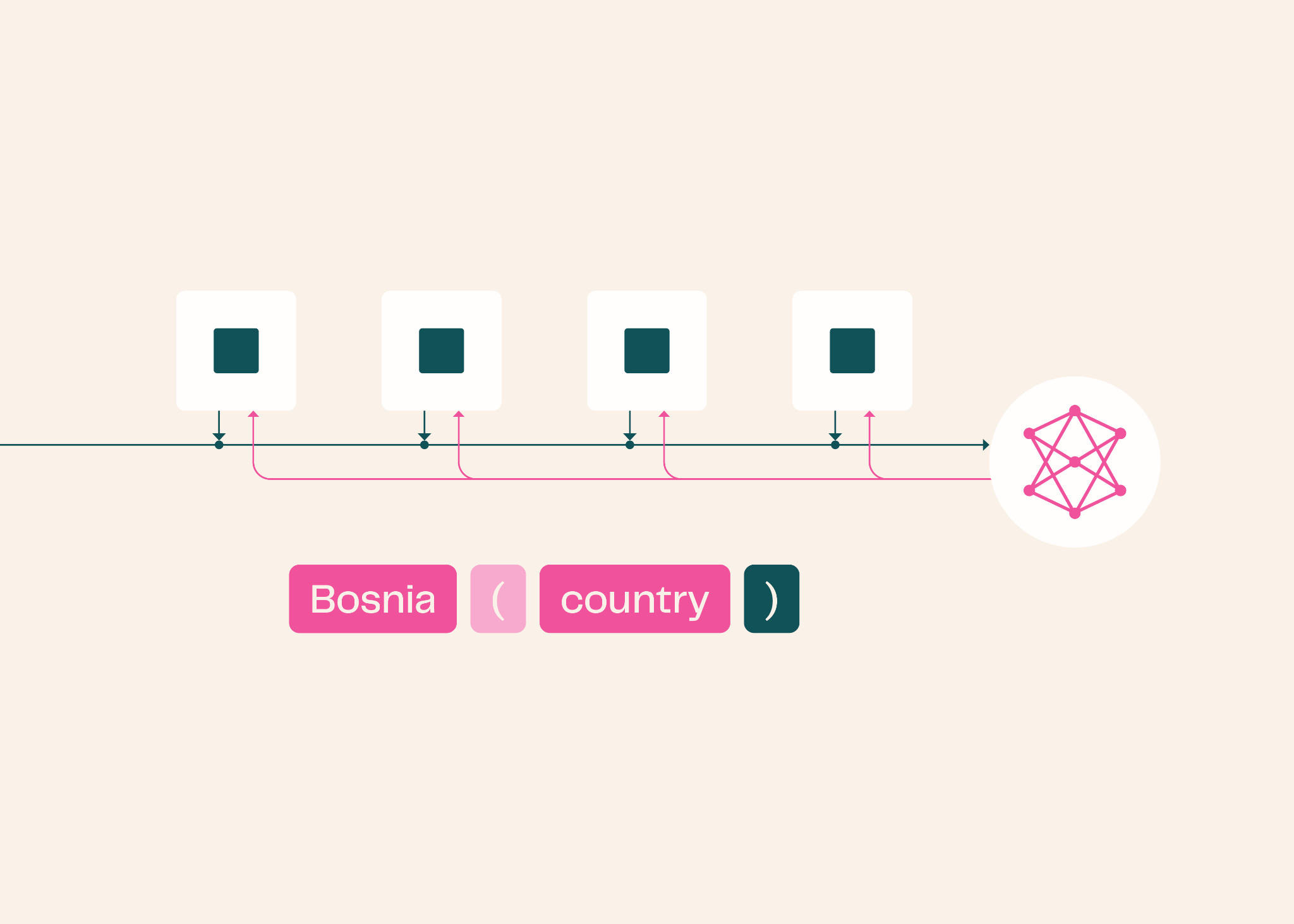
Researchers from Ai2 have identified a fundamental trade-off between pure transformers and hybrid architectures (RNN + Transformer): while hybrid models excel at semantic understanding, classical transformers remain leaders in tasks requiring precise data copying.

What Happened
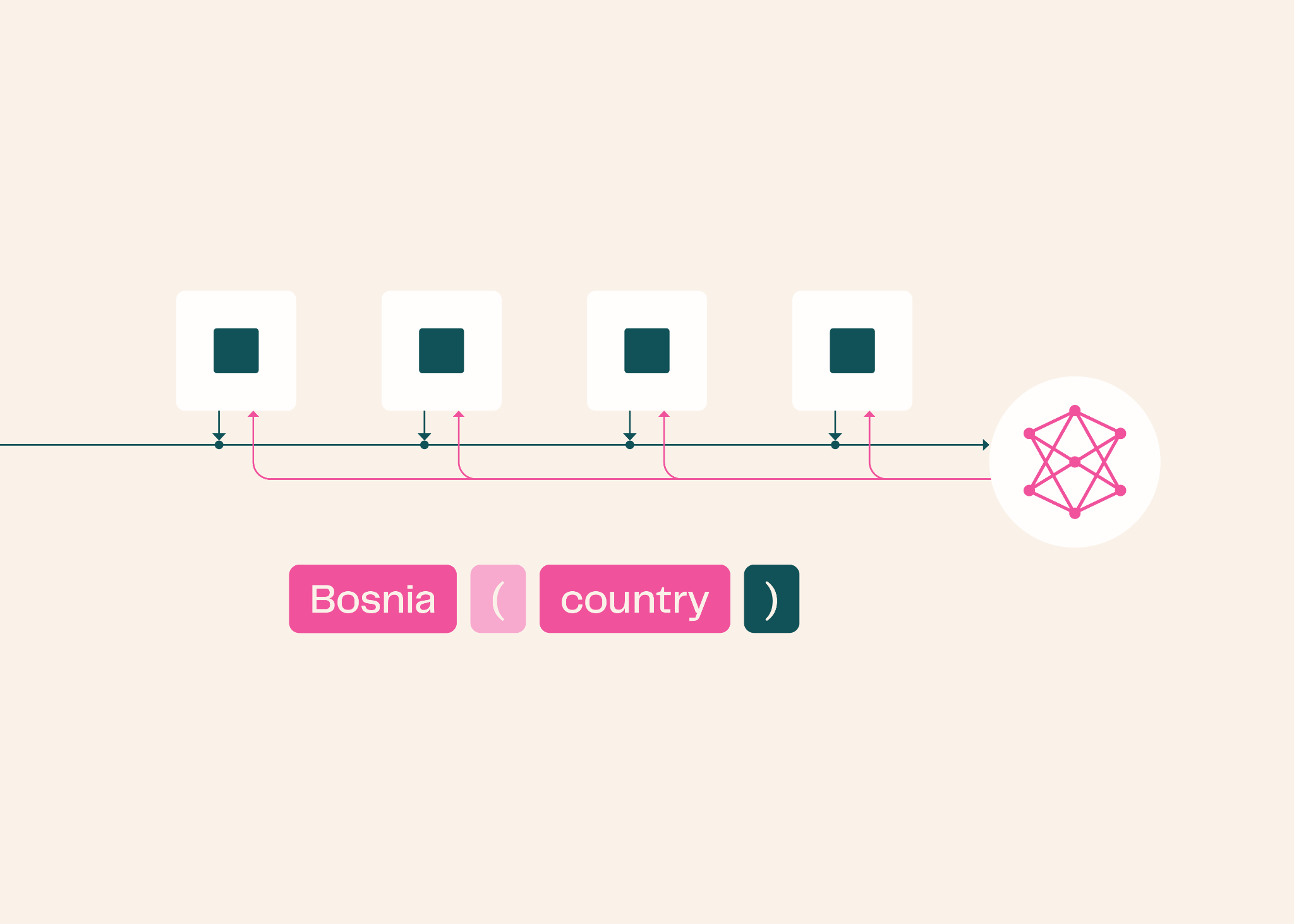
As part of a comparative analysis between the Olmo 3 architecture (pure transformer) and the Olmo Hybrid architecture (alternating RNN and transformer layers in a 3:1 ratio), it was established that hybrid models are significantly more efficient at predicting semantic tokens, such as nouns, verbs, and adjectives. This is achieved through recurrent layers, which are better at tracking the semantic state of the text. At the same time, classical transformers demonstrate an advantage in tasks involving exact citation and n-gram repetition, where direct access to specific previous tokens via the attention mechanism is critical.
Context
Traditionally, models are evaluated using aggregated metrics such as total loss; however, this research shows that such indicators can hide important architectural differences. Recurrent layers in hybrid models provide constant computational costs for text processing regardless of its length, distinguishing them from the quadratic complexity of the classical attention mechanism.
Why It Matters for the Industry
For the industry, this means the possibility of creating specialized AI products: hybrid architectures could become the standard for processing long contexts and semantic analysis, optimizing computation. This also paves the way for multi-architectural systems, where different parts of a pipeline use different types of layers to balance depth of understanding with factual accuracy.
Why It Matters for Users
For users, this explains the phenomenon where modern models may seem "smarter" at understanding the essence of a conversation but simultaneously make errors in details, such as brackets in code or exact quotation marks. Understanding these nuances allows developers to consciously choose an architecture for a specific task: hybrid models for chatbots and summarization, and classical transformers for coding assistants and precise data extraction systems.
What Remains Unknown / Limitations
The technical analysis focuses on functional divergence, while expert opinions on practical business value and the necessity of creating new niches remain a subject of discussion.
Sources
Author
Look at AI, Editorial Staff