
The Best Photo Picker (bpp) project has been introduced—an open-source tool for the local organization of massive photo archives that leverages machine learning capabilities without the need to upload personal data to cloud services.
What happened
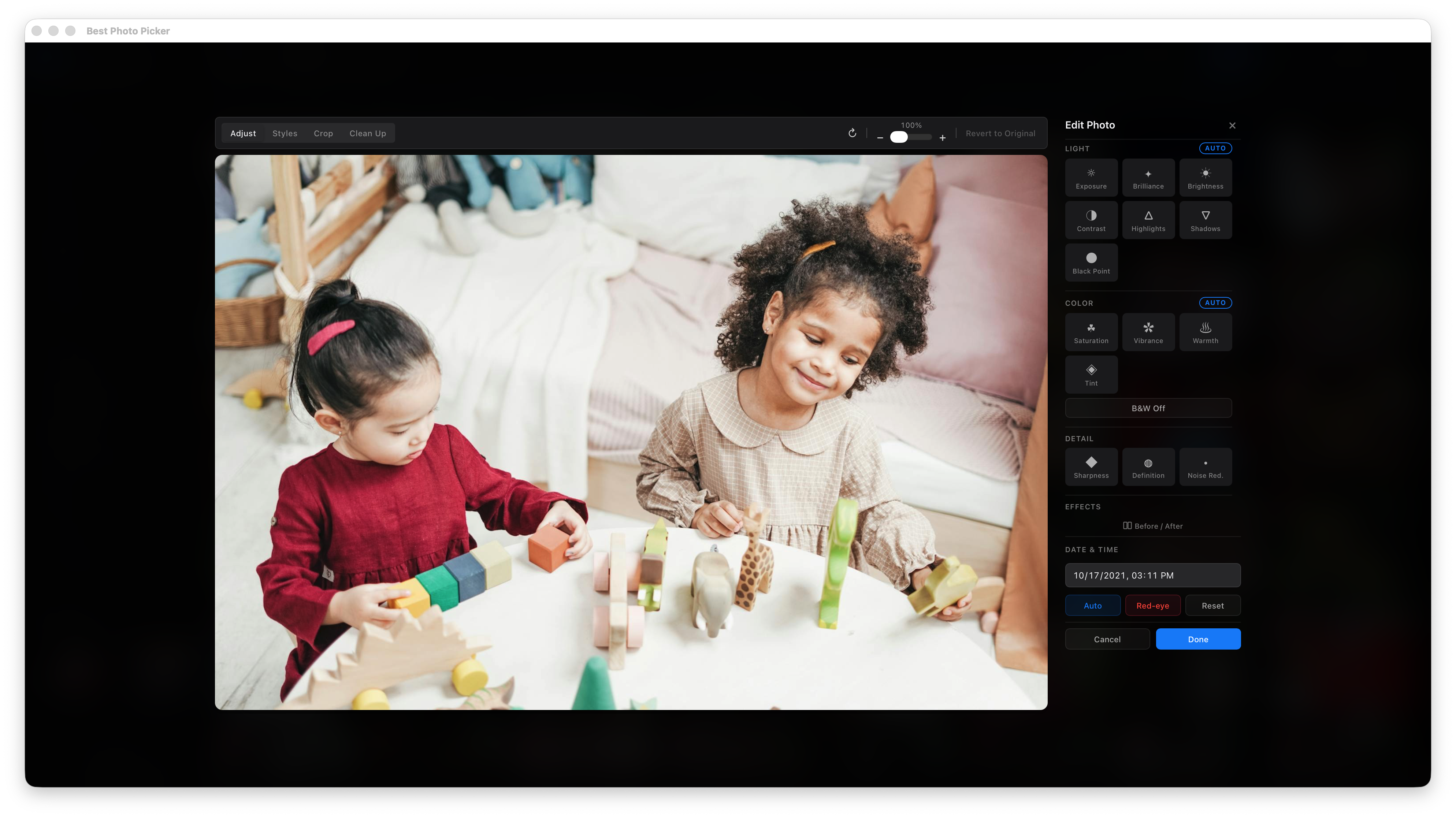
Developers have released Best Photo Picker (bpp), designed for fully local media file processing. The tool uses ML models to assess image quality (sharpness, lighting, composition), finds duplicates using perceptual hashing and CLIP, and implements facial recognition to highlight specific people. The entire inference process occurs directly on the user's device.
Context
The project is a practical implementation of the local-first AI concept, which shifts heavy computational tasks from remote servers to edge devices. Utilizing existing architectures such as CLIP allows for efficient media archive management, providing high search and sorting accuracy while maintaining complete data privacy.
Why it matters for the industry
The emergence of such tools confirms the maturity of the local-first AI approach and demonstrates the potential paradigm shift from Cloud-native to Edge-heavy architectures. This changes the economics of AI services by reducing dependence on expensive cloud infrastructure and provider GPU power, while also opening opportunities for creating specialized libraries for local inference.
Why it matters for users
Users gain the ability to organize thousands of family photos in minutes without trusting their personal images to Google or Apple servers. This guarantees privacy and allows for the use of advanced sorting and facial recognition features even in offline mode.
What is not yet known / limitations
For stable use in the enterprise segment and scalable products, a deeper assessment of the hardware limitations of user devices is required to ensure the performance of ML models.
Sources
Author
Look at AI, Editorial Team