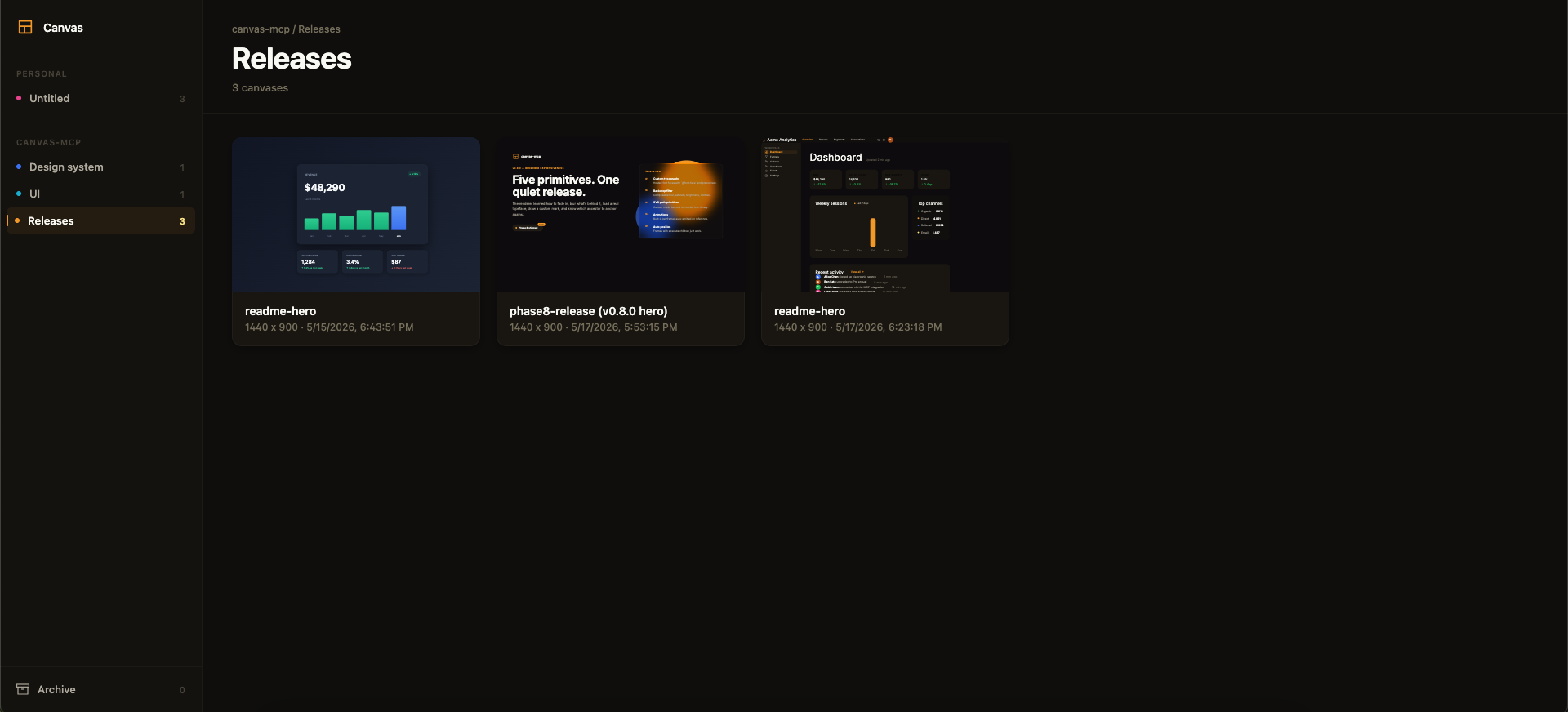
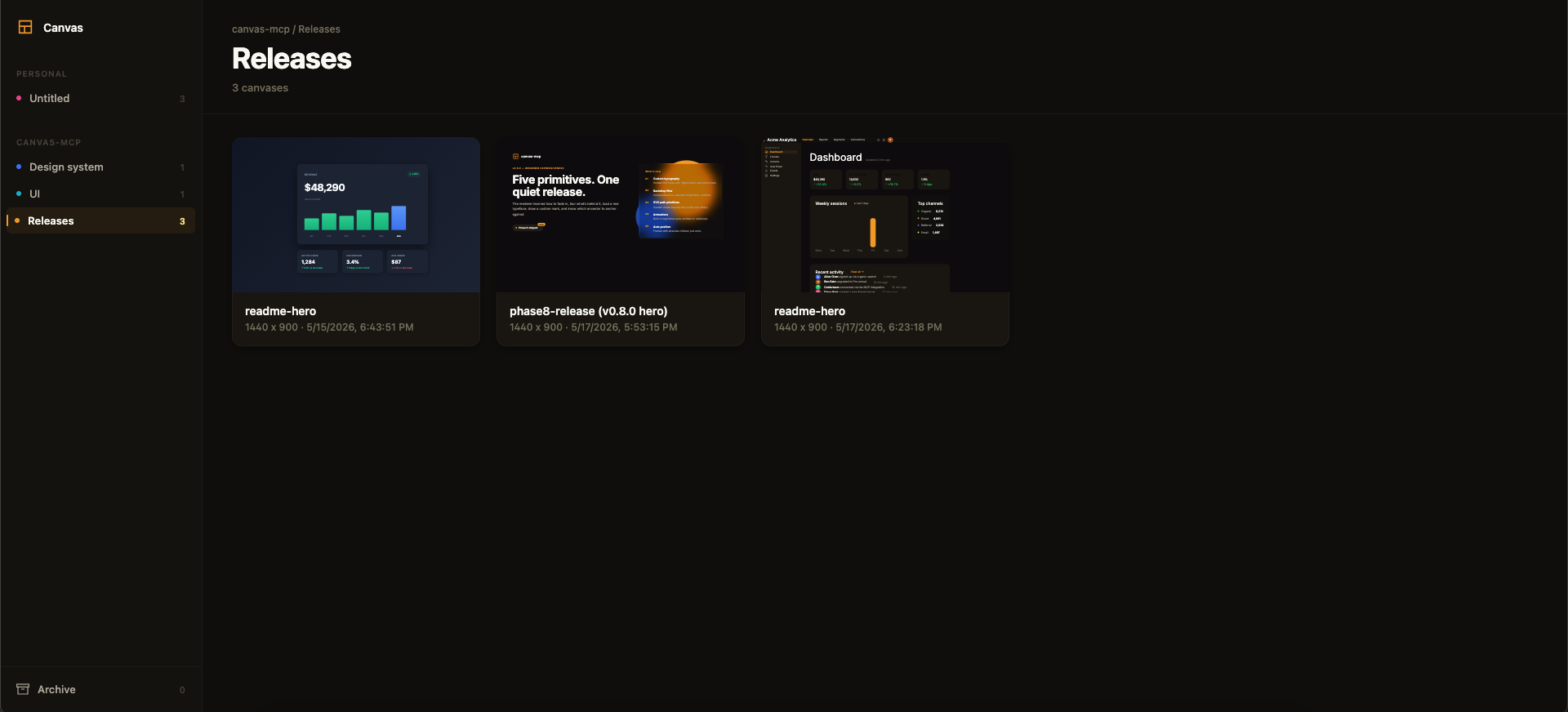
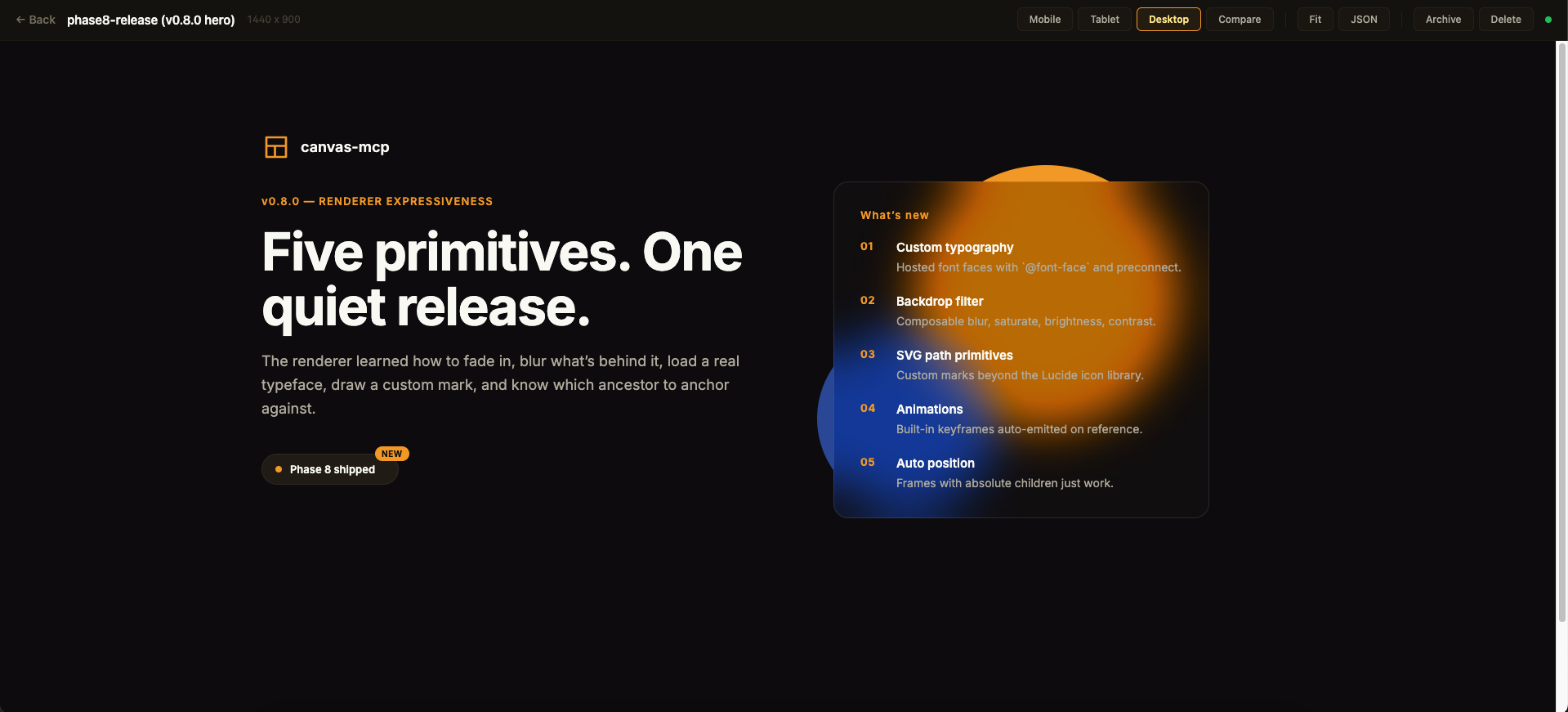
Framesmith 1.7 has been released—an open-source MCP server that provides AI agents with a visual canvas for interface design. The tool allows AI to render HTML/CSS scenarios into PNG format via headless Chromium and offers an interactive viewer for design verification, including 'generative taste' features to assess aesthetic quality.
What Happened
The developer introduced the Framesmith 1.7 update, which transforms the tool into a full-fledged visual quality gateway. The system allows agents not only to generate code but also to receive objective visual feedback through layout rendering, as well as to use an updated viewer for iterative design verification.
Context
At the core of the solution is the use of the Model Context Protocol (MCP), which ensures seamless integration of the tool into modern development environments such as Claude Code, Cursor, and Windsurf. This enables the automation of the 'generation — visual verification — iteration' cycle, which was previously limited primarily to text-based interaction.
Why It Matters for the Industry
For the industry, this is a significant step in the evolution of AI agents from text-based executors to full-fledged visual designers. Implementing standards for transmitting visual context via MCP could lead to the emergence of specialized agentic services capable of autonomously designing high-quality UI prototypes under human supervision.
Why It Matters for Users
Developers and users of AI assistants can now task AI not just with writing interface code, but with creating a complete layout that can be evaluated in real time through a browser. This allows for the identification of design errors before the code is implemented into a project and accelerates the UI debugging process.
What Is Not Yet Known / Limitations
There are potential security and data management risks when using headless Chromium for rendering, which should be considered when integrating into corporate environments.
Sources
Author
Look at AI, Editorial Team