The artificial intelligence industry is undergoing a fundamental shift: OpenAI is acquiring Ona to create cloud-based autonomous agents, the AI Alliance is launching a platform for federated learning, and Igor Babushkin is founding River AI to develop personal AI systems.
What Happened
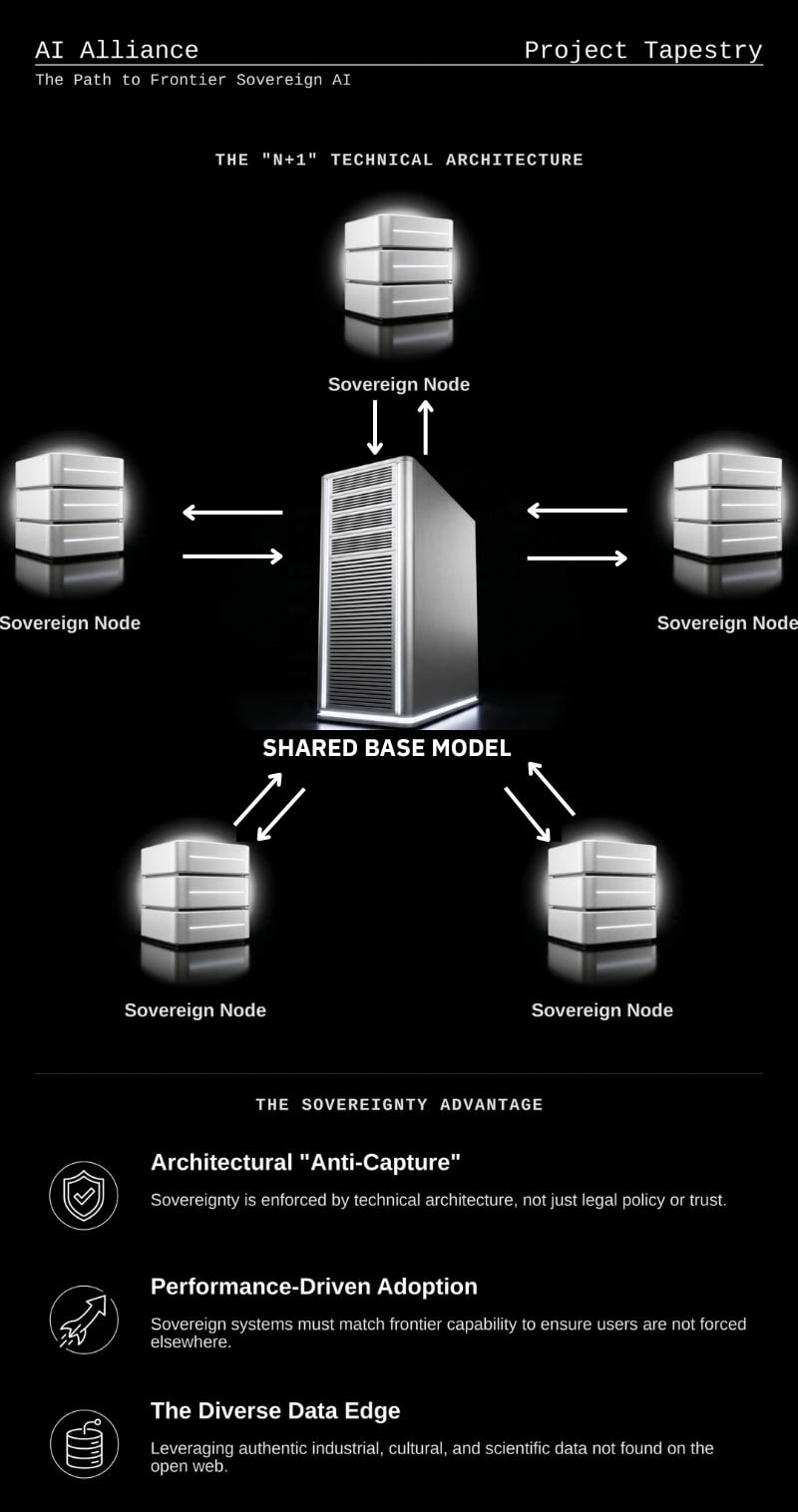
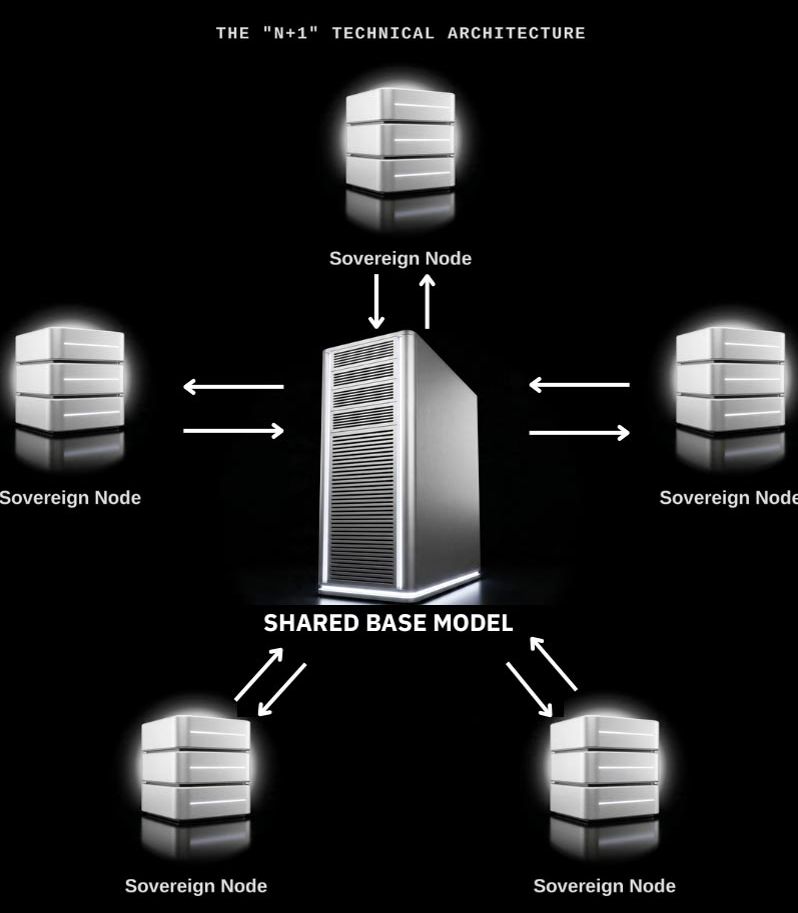
OpenAI announced the acquisition of the startup Ona with the goal of expanding the capabilities of its Codex assistant. This integration will allow AI agents to operate in secure cloud environments, performing long-running autonomous tasks without being tied to the user's local devices. Simultaneously, the AI Alliance consortium introduced Project Tapestry—a platform for the federated learning of open models, which will allow participants to train systems on local data, transmitting only updated weights to the shared network. Additionally, xAI co-founder Igor Babushkin has launched a new startup, River AI, which plans to raise up to $1 billion at a $5 billion valuation to create adaptive personalized agents.
Context
The current paradigm of AI usage is limited to the chatbot format in browsers, which depend on active sessions and local computing power. Project Tapestry aims to solve the problem of data sovereignty through Federated Learning, while initiatives like River AI create competition for closed corporate ecosystems by offering users full control over their personal AI.
Why It Matters for the Industry
The OpenAI and Ona deal signals a transition from interactive interfaces to full-fledged agentic systems that require complex cloud orchestration and isolated sandbox environments. Project Tapestry sets new standards for decentralized training, which could reduce the monopolization of technology by large corporations. The market is fragmenting into specialized solutions for long-lived cloud tasks and personal sovereign models.
Why It Matters for Users
Development tools like Codex will become significantly more powerful, allowing for the execution of complex processes that can run in the background for hours or even weeks. Users will gain access to new types of AI assistants that do not just answer questions, but act as autonomous employees while maintaining control over their data.
What Is Not Yet Known / Limitations
Experts point to serious technological and legal challenges related to security, the isolation of cloud environments, and the distribution of responsibility for the actions of fully autonomous agents.
Sources
Author
Look at AI, Editorial Team