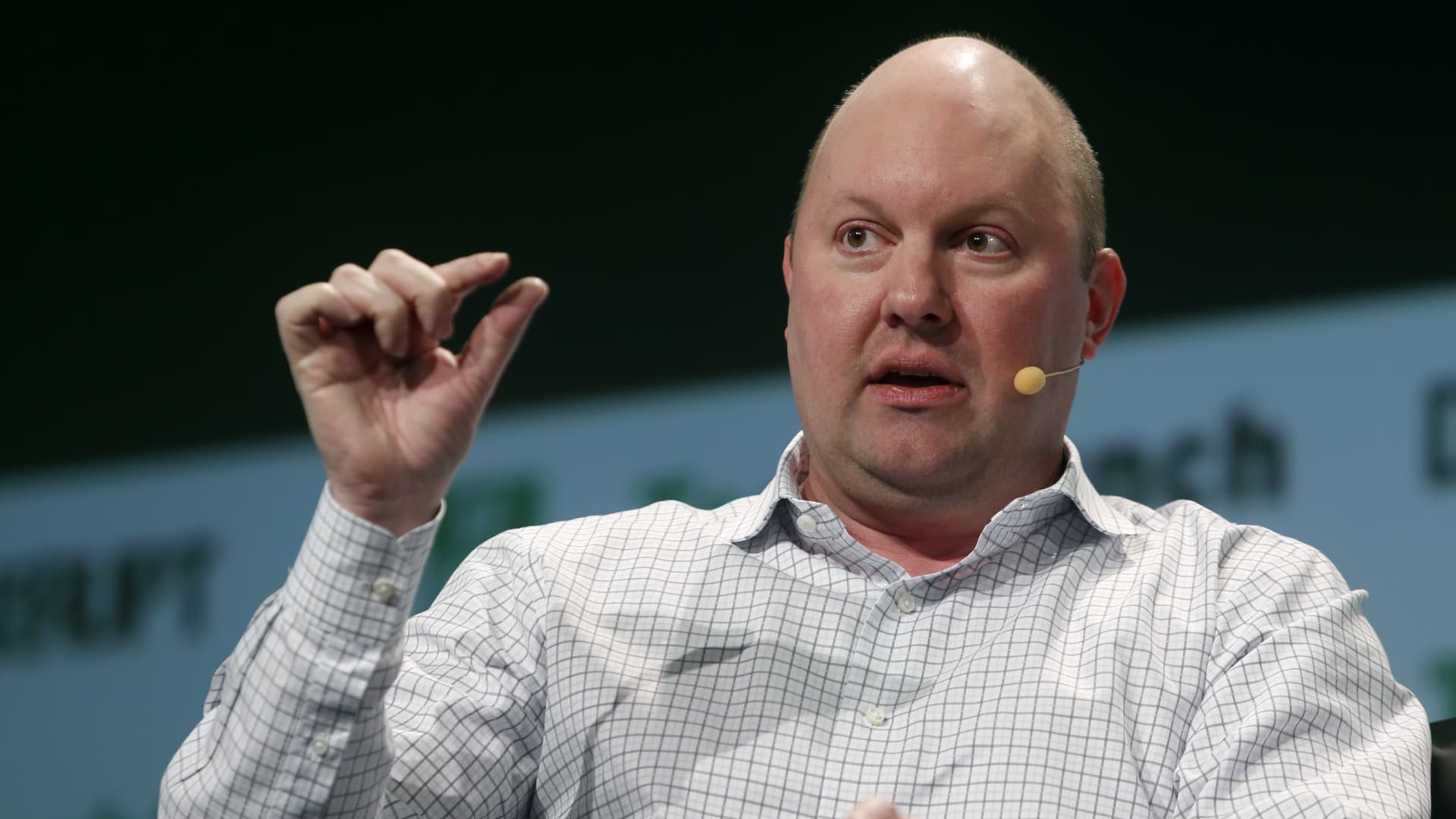
John O'Farrell, a former partner at the venture capital firm Andreessen Horowitz, has sharply criticized the current lobbying strategy in the AI sector. In his view, the industry's largest players are using political committees not for dialogue, but to exert pressure on lawmakers, which could provoke a harsh government backlash.

What Happened
John O'Farrell stated that a PAC called "Leading the Future," which has raised over $125 million, is being used to exert political influence over AI regulation. The primary donors to the committee include Andreessen Horowitz, Greg Brockman of OpenAI, and Perplexity. O'Farrell compared these actions to methods used by the crypto industry, aimed at blocking regulations through massive donations and attempts to intimidate politicians.
Context
Currently, the AI sector is seeing a surge in political activity and significant financial inflows into PACs. The goal of these investments is to shape a favorable legislative climate; however, such methods may be perceived as attempts to monopolize control or bypass public interests.
Why It Matters for the Industry
Aggressive lobbying could trigger a backlash: instead of achieving "soft" regulation, the industry risks facing heavy-handed government control and increased oversight. This creates risks of unpredictability and increases compliance operational costs for all market participants.
Why It Matters for Users
The future of AI technology development is now being decided not only in laboratories but also in political corridors of power. Increased political polarization surrounding AI regulation could lead to market fragmentation and changes in tool accessibility due to new regional restrictions.
Sources
Author
Look at AI, Editorial Team