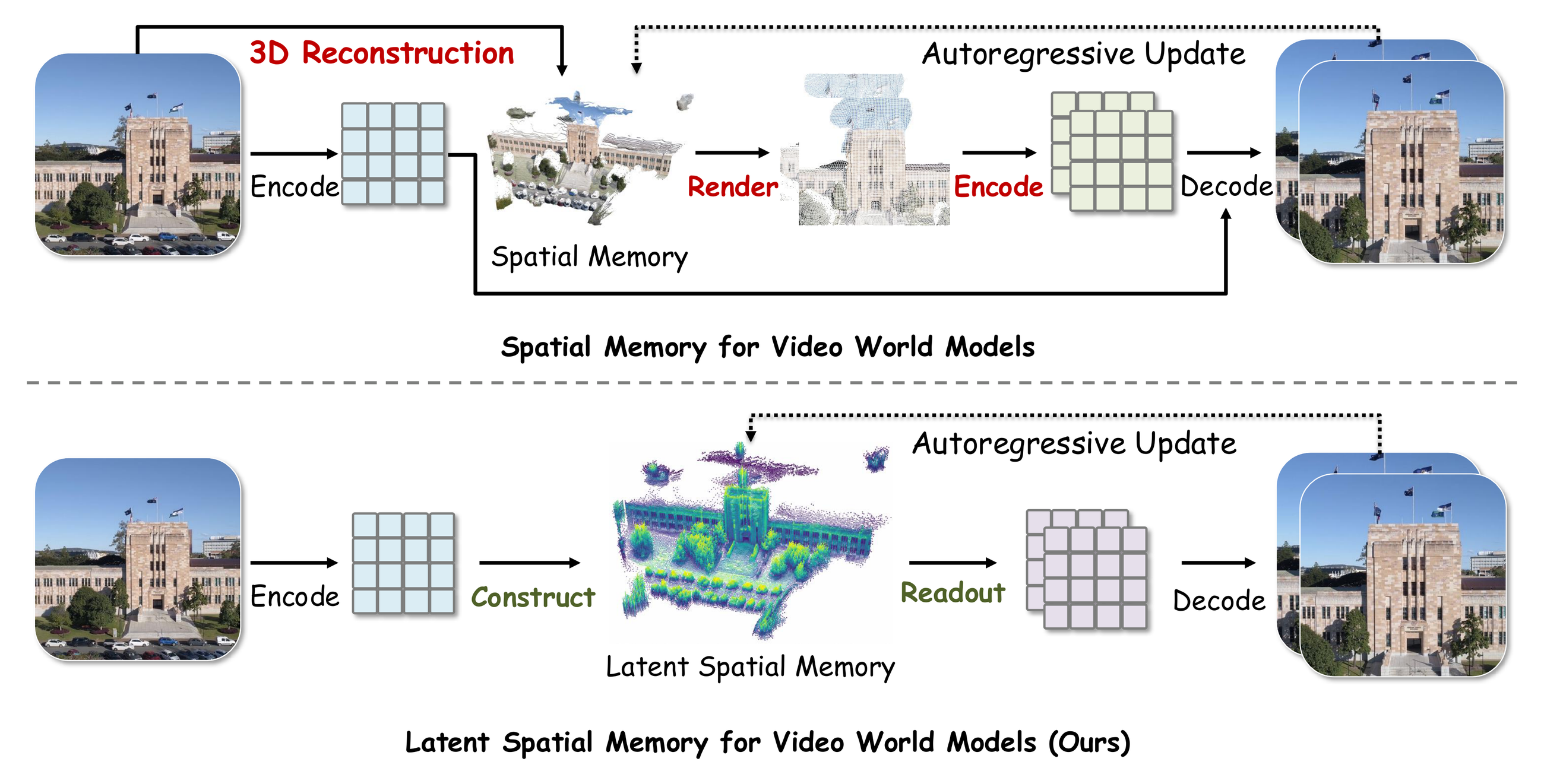
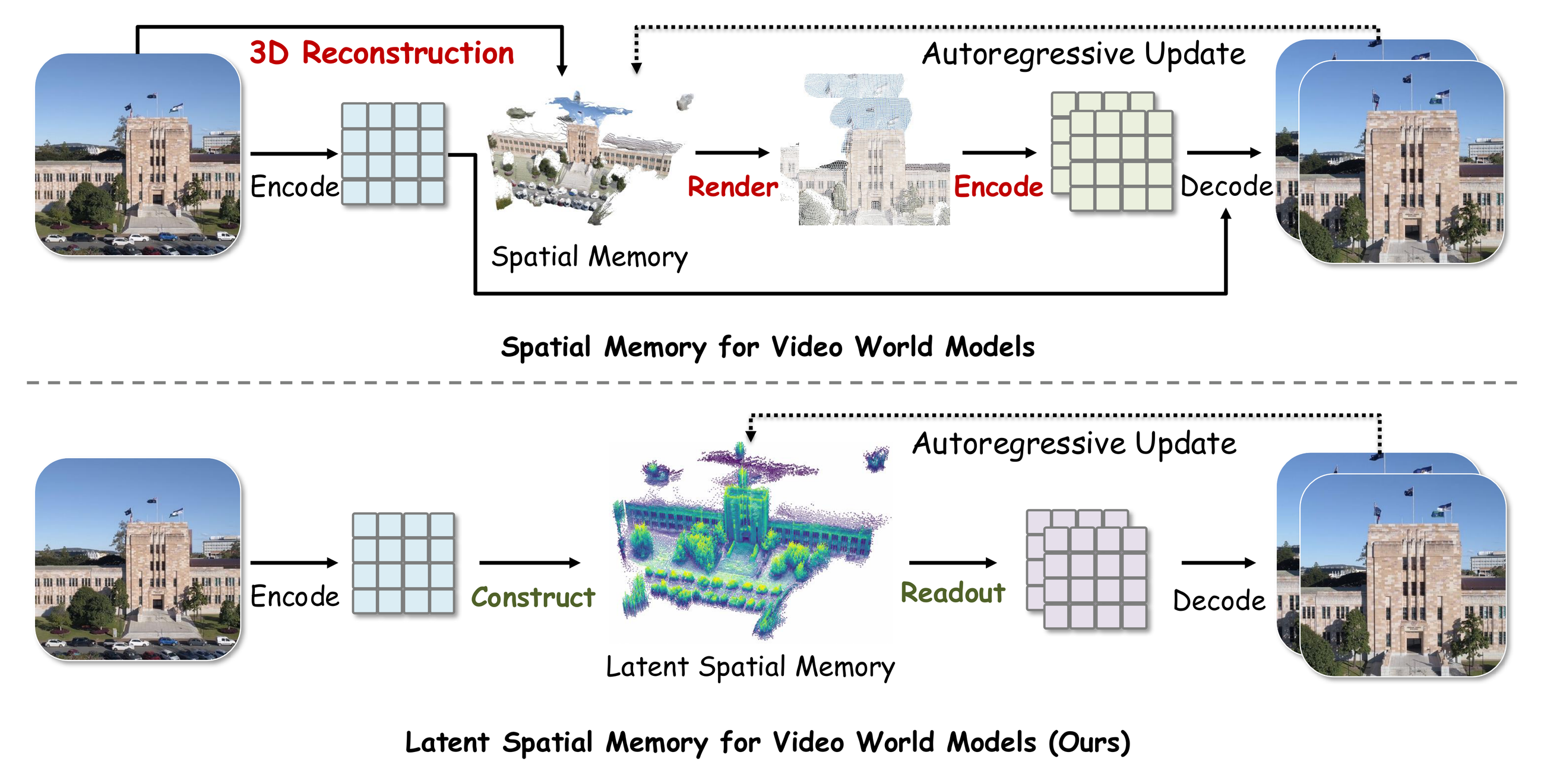
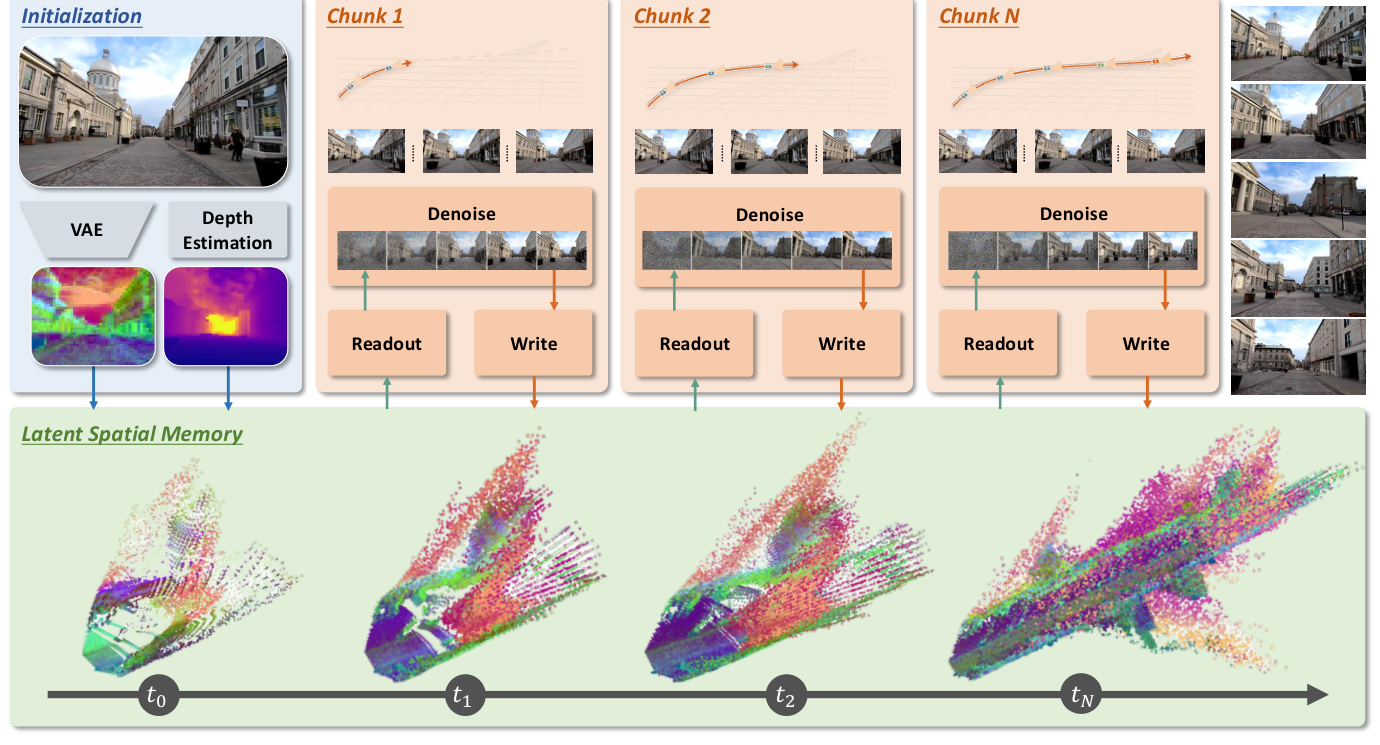
Researchers from Microsoft Research have introduced Mirage — a Latent Spatial Memory architecture that radically changes how Video World Models operate. This technology allows for storing information about 3D scenes directly within the diffusion latent space, significantly increasing video generation efficiency.
What Happened
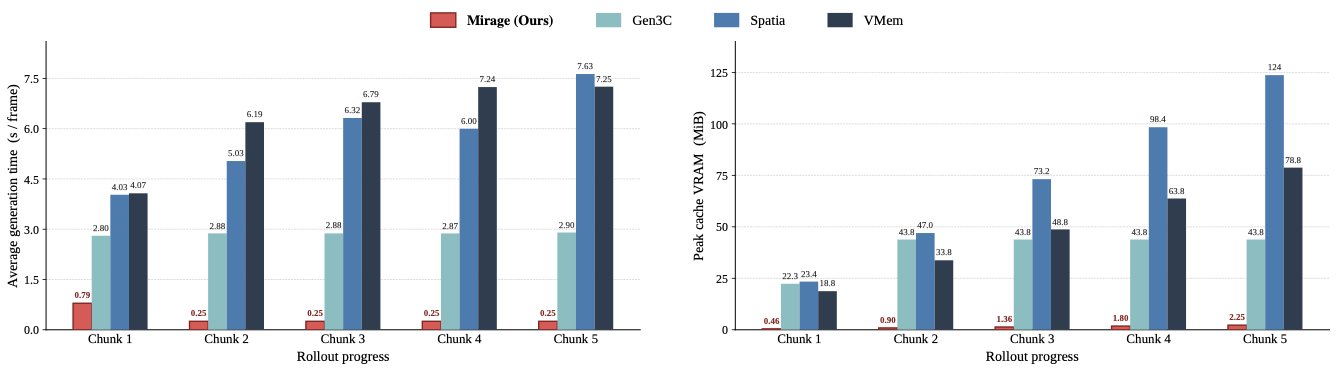
The Mirage architecture developed by Microsoft Research allows for managing 3D scenes in latent space, bypassing the resource-intensive cycle of rendering and re-encoding into RGB pixels. According to test results, video generation speed increased by 10.57x, while memory consumption for the 3D cache was reduced by 55x. Meanwhile, visualization quality remained high, as evidenced by a WorldScore of 70.36.
Context
Modern video world models often face the problem of computational complexity when attempting to maintain spatial consistency in 3D scenes. Traditional methods that work with RGB point clouds require massive resources for rendering and data storage to ensure image stability.
Why It Matters for the Industry
For the industry, this means eliminating a key bottleneck: the difficulty of maintaining spatial connectivity. Moving from RGB data processing to latent token management makes creating complex, long, and stable video worlds significantly cheaper and faster, lowering the computational complexity barrier for developers.
Why It Matters for Users
For end users, this is a step toward the emergence of truly fast and high-quality AI video generators. The technology will allow for the construction of complex 3D spaces without "hallucinations" or delays, which is critical for creating interactive VR content, high-quality simulations, and next-generation gaming worlds.
Sources
- Mirage | Latent Spatial Memory for Video World Models
- microsoft/LatentSpatialMemory GitHub Repository
- Latent Spatial Memory for Video World Models (arXiv)
Author
Look at AI, Editorial Staff