Modern neural network models face limitations when solving tasks involving logic and generalization. Consequently, interest is growing in neurosymbolic synthesis—an approach that combines the pattern recognition capabilities of neural networks with the logical reasoning of symbolic systems.

What Happened
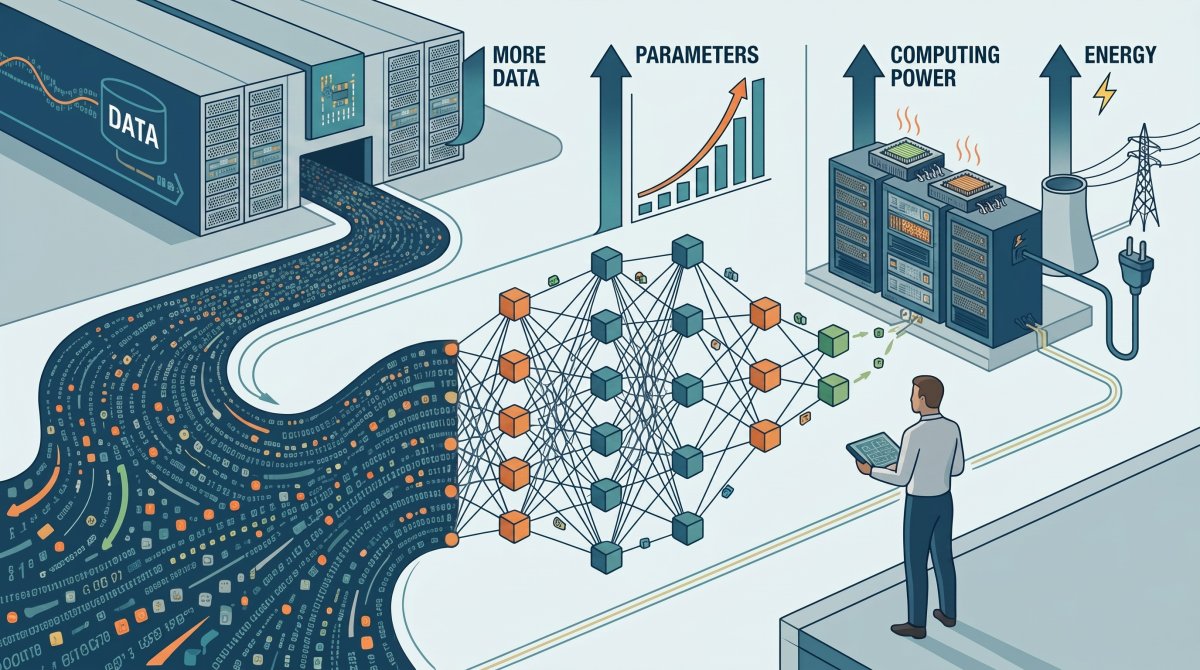
An article from Heise Online discusses the relevance of returning to Symbolic AI methods. Experts believe that simply scaling parameters and data within the current connectionist paradigm may lead to reaching a local maximum, necessitating the search for new architectural solutions.
Context
The current dominance of LLMs is based on statistical token prediction, which gives rise to problems with compositionality, the ability to generalize outside the training set, and the so-called symbol grounding problem.
Why It Matters for the Industry
For the industry, this signifies a potential shift from a 'scaling laws only' strategy toward the development of hybrid architectures. This could pave the way for more reliable and interpretable systems, as well as the emergence of a new generation of AI agents and RAG systems with improved logical reasoning. In the long term, this could reduce training costs through more efficient use of structural knowledge.
Why It Matters for Users
For users and developers, this is a signal that AI progress may move toward a qualitative change in model internal architecture rather than just increasing size. This promises the emergence of products with deeper logical reasoning and the ability to make accurate causal inferences.
What Remains Unknown / Limitations
There are differing views on the technology's readiness: while business structures see it as a driver for startups, engineers point to integration complexities and the need to develop new evaluation methods (evals) to verify the logical consistency of hybrid systems.
Sources
Author
Look at AI Editorial Team