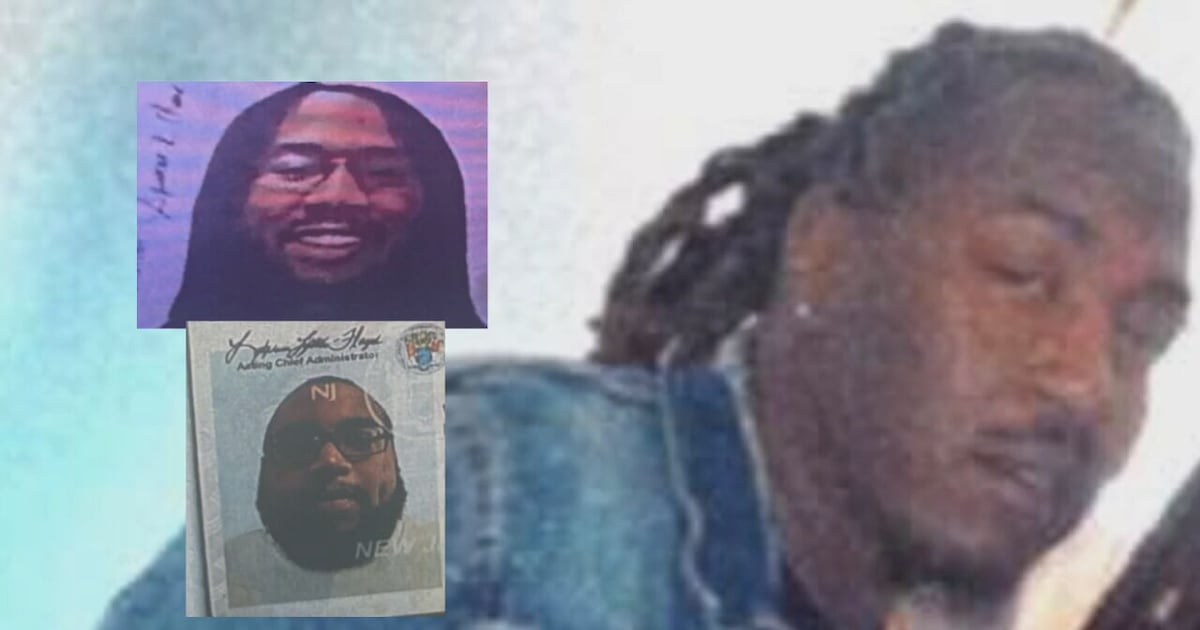
Charlotte resident Jalil Richardson became a victim of an error by a facial recognition system with only 85% accuracy, leading to his wrongful arrest and several months of imprisonment.

What Happened
During an investigation into a car theft in Jacksonville, Florida, an AI algorithm incorrectly matched a suspect from video footage with Jalil Richardson. Despite evidence of an alibi—being at work 400 miles away from the crime scene—the charges were not dropped for a year, and the individual spent several months in custody.
Context
This incident demonstrates the critical gap between the technological readiness of computer vision systems and the safety requirements in high-risk scenarios. Using models with 85% accuracy in law enforcement implies a 15% probability of false positives; without multi-factor verification and integration with contextual data (geolocation, timestamps), this leads to catastrophic legal errors.
Why It Matters for the Industry
For the AI industry, this is a signal of the need to develop 'Human-in-the-loop' (HITL) tools and standardize Confidence Scoring protocols. Increased regulatory pressure is expected (analogous to the EU AI Act), along with growing demand for specialized AI Audit solutions that can block automated processes when model confidence is low.
Why It Matters for Users
For citizens, this is an example of real-world risks: not just the loss of freedom, but the destruction of lives through the loss of jobs, housing, and family. Furthermore, there is long-term reputational damage, as digital footprints such as mugshots often remain online even after all charges are fully dropped.
Sources
Author
Look at AI, Editorial Staff