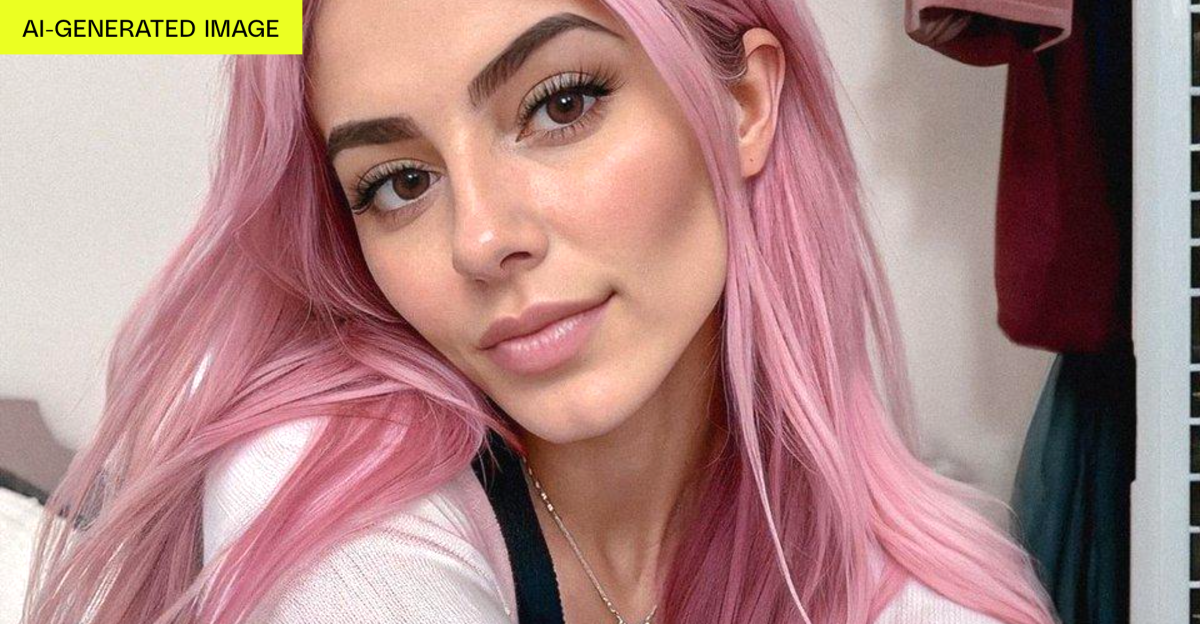
The virtual AI influencer market is undergoing a fundamental transformation, shifting from discrete, recognizable digital characters to the automated mass production of synthetic content that is indistinguishable from reality, known as "slop." The current market size is estimated at $12 billion and could reach $60 billion by 2030.


What Happened
There is a transition occurring from discrete and recognizable AI avatars, such as Lil Miquela, to the automated creation of vast amounts of synthetic content. This process is blurring the lines between real creators and AI, creating risks of financial fraud, political disinformation, and so-called "AI-pimping"—the exploitation of real people's likenesses to create AI avatars.
Context
Modern technologies allow for the generation of content that is nearly impossible to distinguish from human-made content. Meanwhile, existing regulatory frameworks, such as the EU AI Act, primarily focus on labeling individual posts but have yet to address the problem of identifying the synthetic character accounts themselves.
Why It Matters for the Industry
Social media platforms face a serious dilemma: AI accounts drive high levels of engagement, which benefits platforms, but simultaneously lead to the degradation of the information environment's quality. Industries will require new digital identity verification tools and moderation mechanisms capable of filtering "slop" without harming business metrics.
Why It Matters for Users
For everyday users, the line between real bloggers and synthetic characters is blurring. It is important to consider that behind aesthetic images in feeds, there may be algorithms aimed at financial exploitation or the dissemination of propaganda.
What Remains Unknown / Limitations
There is a gap in the focus of risks: while technical specialists are focused on moderation challenges and data protection, business structures are more concerned with the regulatory lag and new monetization opportunities.
Sources
Author
Look at AI, Editorial Team