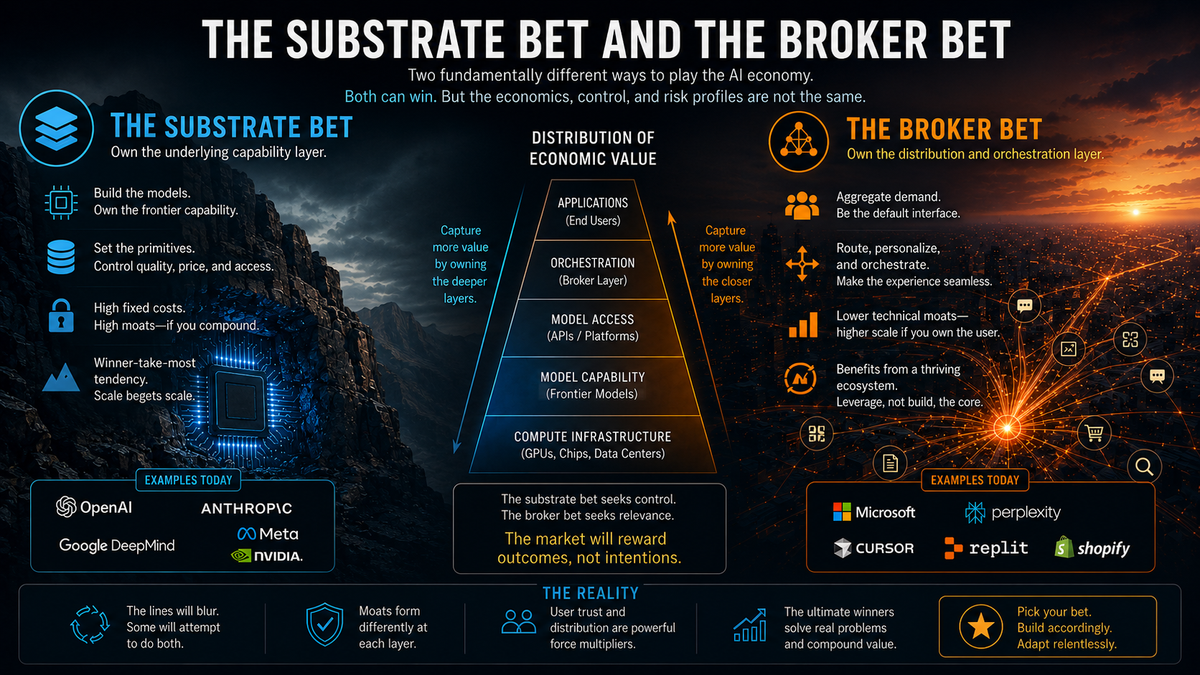
A strategic split has emerged in the enterprise software industry regarding how AI agents interact with data. While Salesforce is betting on an open "Substrate" model, providing direct access via APIs and MCP, SAP is adhering to a closed "Broker" strategy, using its own agent, Joule, as a mediator.
What Happened
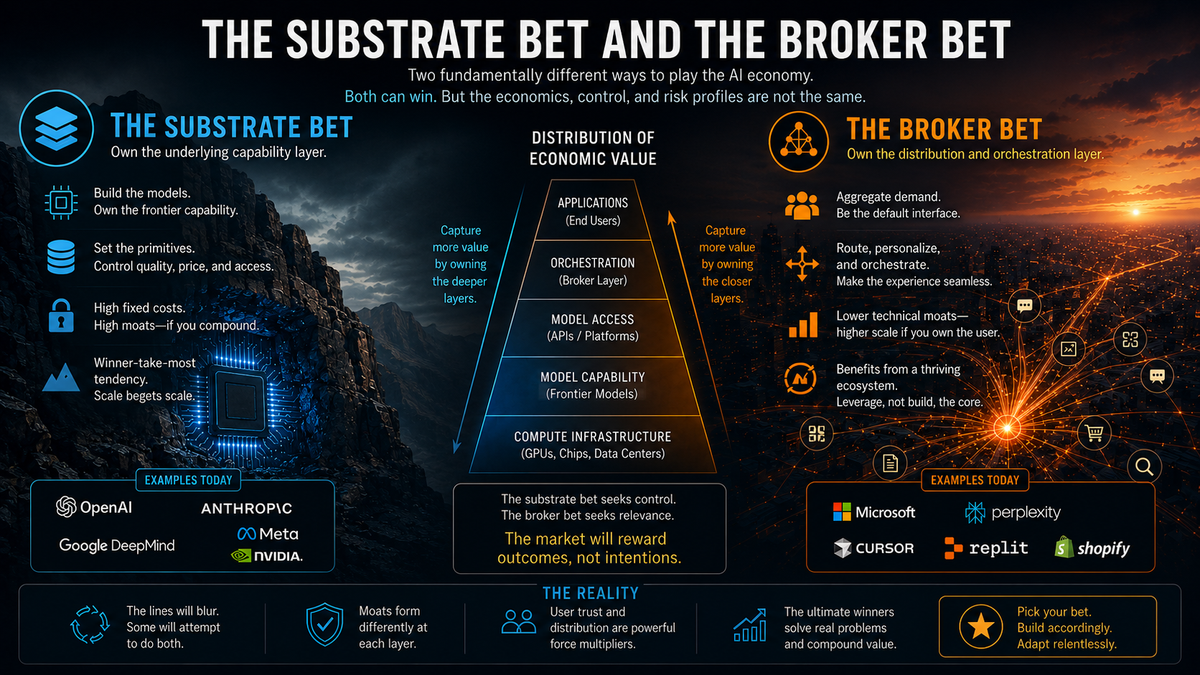
Market leaders in enterprise software have chosen opposing approaches to AI agent architecture. Salesforce is promoting the Substrate model, which exposes data and functions through the Model Context Protocol (MCP) and APIs, allowing external tools to work directly (Headless 360). In contrast, SAP is implementing the Broker model, where any interaction with corporate processes must pass through their proprietary agent, Joule.
Context
This architectural conflict determines whether platforms will become open foundations for third-party innovation or remain closed access controllers. The choice between open protocols and proprietary mediation directly impacts industry standards and the monetization methods of AI services.
Why It Matters for the Industry
For the industry, this choice means setting the standards for how agents interact with enterprise data. The chosen model will determine the transition from paying per API call to paying for runtime or seat counts. It will also divide the market into ecosystems of open agents and closed "walled gardens," where vendors maintain total control over process access.
Why It Matters for Users
When choosing an enterprise stack, companies must now evaluate more than just functionality or MCP support. They must consider the platform's "agent flexibility": does it allow the direct use of external tools like Cursor or Claude Code, or does it mandate the use of a mediator, which could limit automation capabilities and increase the total cost of ownership?
What Is Not Yet Known / Limitations
Differences in the distribution of responsibility: the Substrate model shifts most of the responsibility for action accuracy to the developer, whereas the Broker model assumes an built-in layer of control provided by the vendor.
Sources
Author
Look at AI, Editorial Team