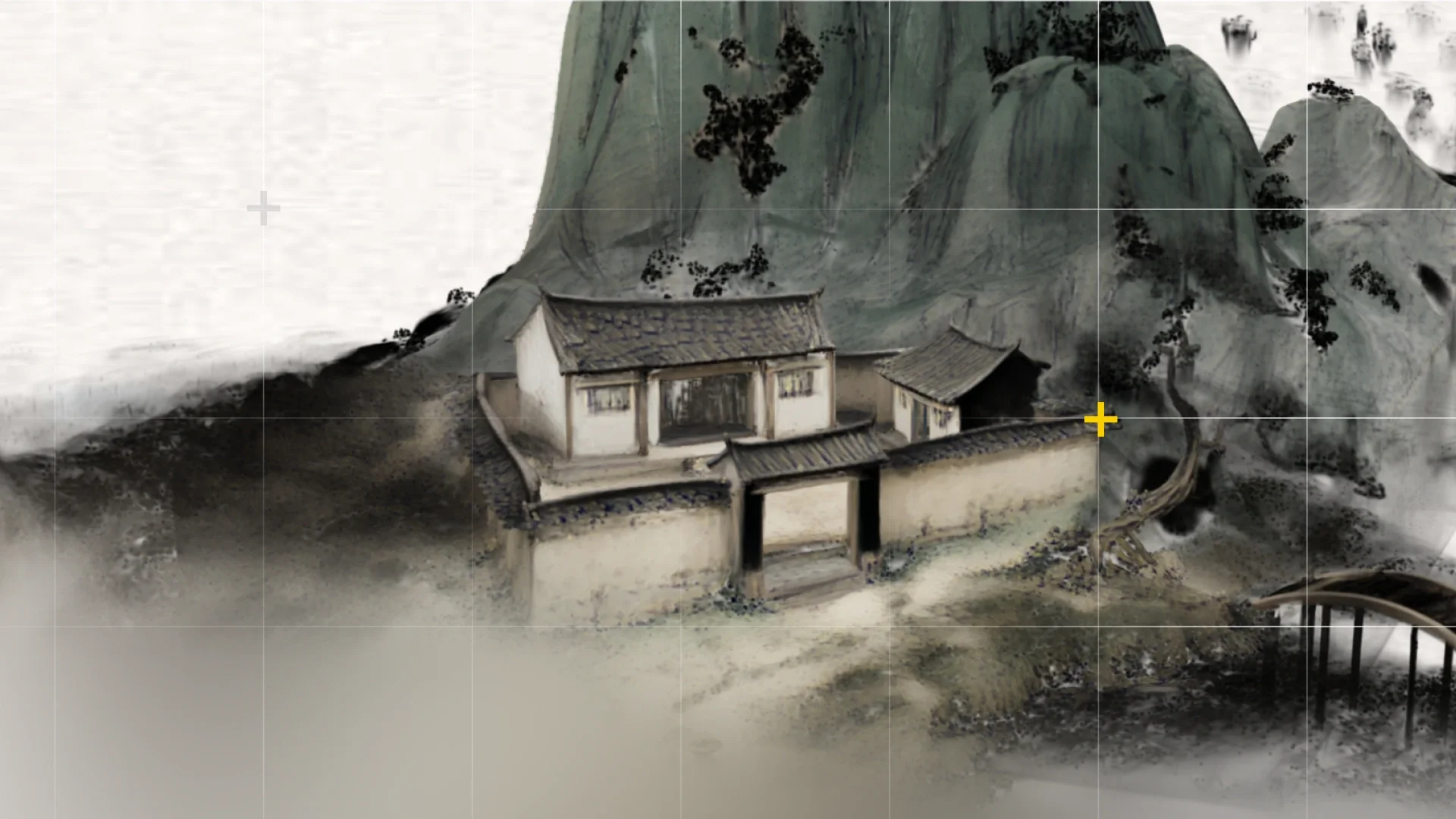
The TripoAI team has introduced TripoSplat—a new generative model that enables the creation of detailed 3D scenes using Gaussian Splatting based on just a single 2D image. By implementing Density-Sampled Gaussians (DeG) technology, the model provides flexible particle density control, allowing for an effective balance between visual accuracy and computational load.

What Happened
The TripoSplat model has been developed, utilizing a Density-Sampled Gaussians (DeG) mechanism for adaptive object density management. This allows for the adjustment of the Level of Detail (LoD)—ranging from lightweight background elements to complex assets containing up to 262,000 Gaussians. The tool supports export to .ply and .splat formats and features official integration with ComfyUI.
Context
Traditional Gaussian Splatting methods often use fixed structures, making it difficult to optimize resources when creating complex scenes. TripoSplat solves this problem by turning single-frame 3D generation into a controlled engineering process, where the user determines the "weight" and detail level of the final file.
Why It Matters for the Industry
For the AI and content development industry, the shift toward adaptive density control means the ability to optimize pipelines for AR/VR and game development. Integration with ComfyUI makes the technology accessible for mass adoption in generative art, allowing for the rapid creation of scalable 3D worlds with predictable computational costs.
Why It Matters for Users
Users, including artists and game developers, gain the ability to create high-quality 3D objects and scenes for metaverses in literally seconds. Thanks to ComfyUI and the ability to configure LoD, assets can be quickly prototyped, choosing between rendering speed and maximum detail depending on specific tasks.
Sources
- TripoSplat: Generative 3D Gaussians with Learned Density Control
- TripoSplat GitHub Repository
- VAST-AI/TripoSplat on Hugging Face
Author
Look at AI, Editorial Staff