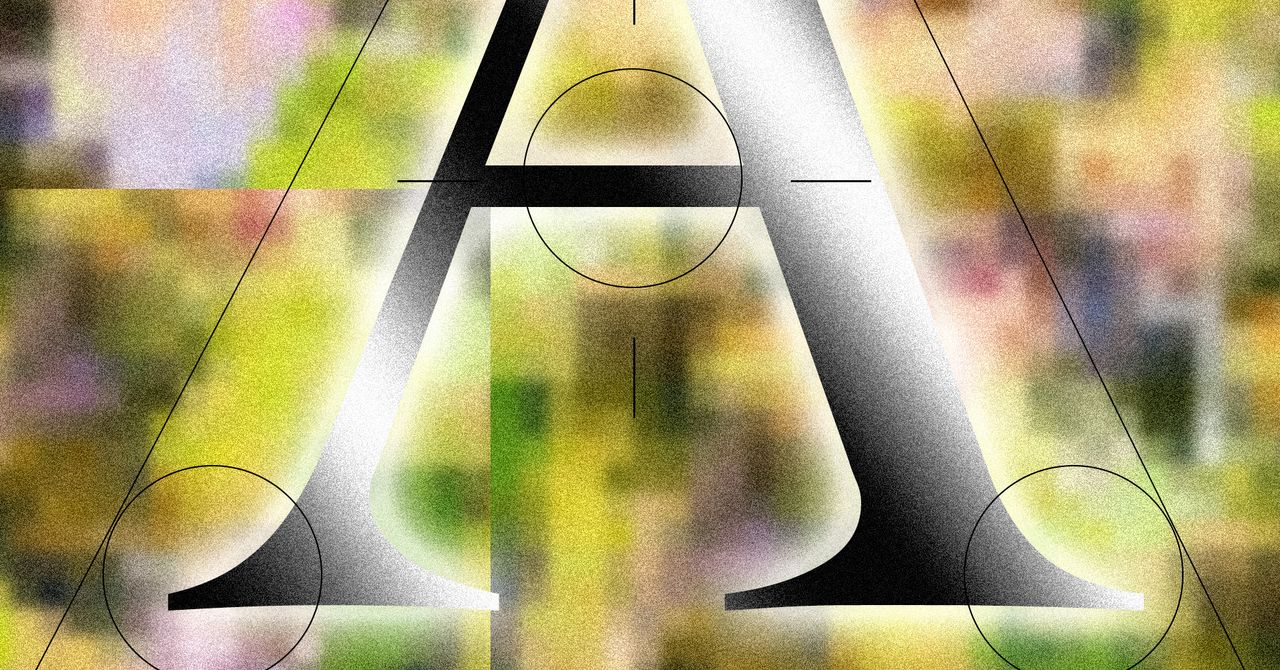
Leading players in the artificial intelligence market, including Anthropic, Perplexity, and Runway, are making a mass transition from minimalist sans-serif fonts to serif fonts. This trend, dubbed the "serif renaissance," aims to humanize interfaces and create a sense of warmth and authority for the product.
What Happened
Major AI technology developers have begun changing the visual identity of their platforms, replacing modern sans-serif fonts with classical serif typography. This process encompasses key industry participants such as Anthropic, Perplexity, and Runway, forming a new visual standard for the Generative AI sector.
Context
An perception has developed within the industry of neural networks as "cold" and soulless mechanisms. The use of serif fonts is a strategic psychological move designed to reduce user technophobia and imbue products with the characteristics of traditional print, which is associated with reliability and human presence.
Why It Matters for the Industry
For the AI industry, design is becoming a tool for deep psychological positioning. A division is occurring between "instrumental" AI with utilitarian design (sans-serif) and "personal/assistant" AI focused on emotional interaction (serif). This sets new aesthetic standards for all new LLM services.
Why It Matters for Users
For end users, the change in visual language represents an attempt by developers to make interaction with technology feel more trustworthy and less intimidating on a subconscious level. Interfaces are becoming visually "warmer," which may facilitate a more comfortable integration of AI agents into everyday life.
What Remains Unknown / Limitations
There are disagreements within the professional community regarding the goals of this trend: some experts see it merely as a manipulative marketing ploy to mask the artificial nature of the technology (so-called "premium mediocrity"), while others consider it an important step in the evolution of UX strategies for building trust.
Sources
Author
Look at AI, Editorial Team