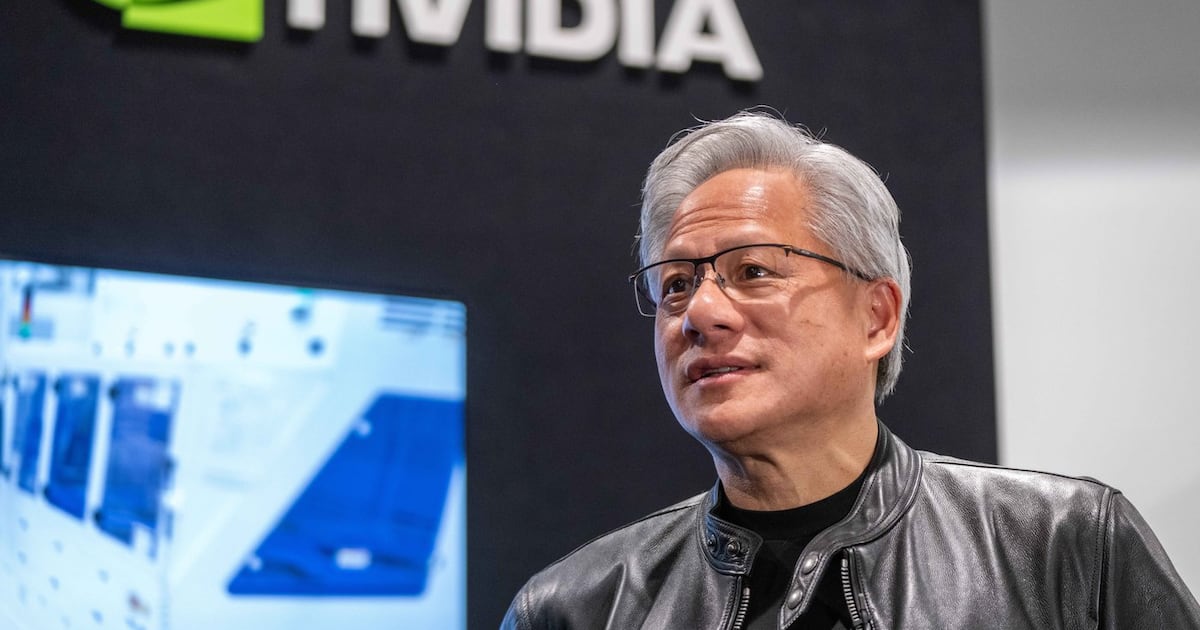
Nvidia co-founder Jensen Huang spoke publicly for the first time since his resignation as CEO, stating that he is ready to lead the company again if the board of directors determines it is in the best interest of shareholders, employees, the company, and the United States. The board responded with a refusal the same day: the resignation was accepted unanimously, they have no intention of reinstating Huang, and CFO Colette Kress is serving as interim CEO during the transition. The dispute is unfolding against a backdrop of strong quarterly results and a regulatory agenda surrounding export controls, with Huang himself scheduled to answer questions in Congress on December 1.

What happened
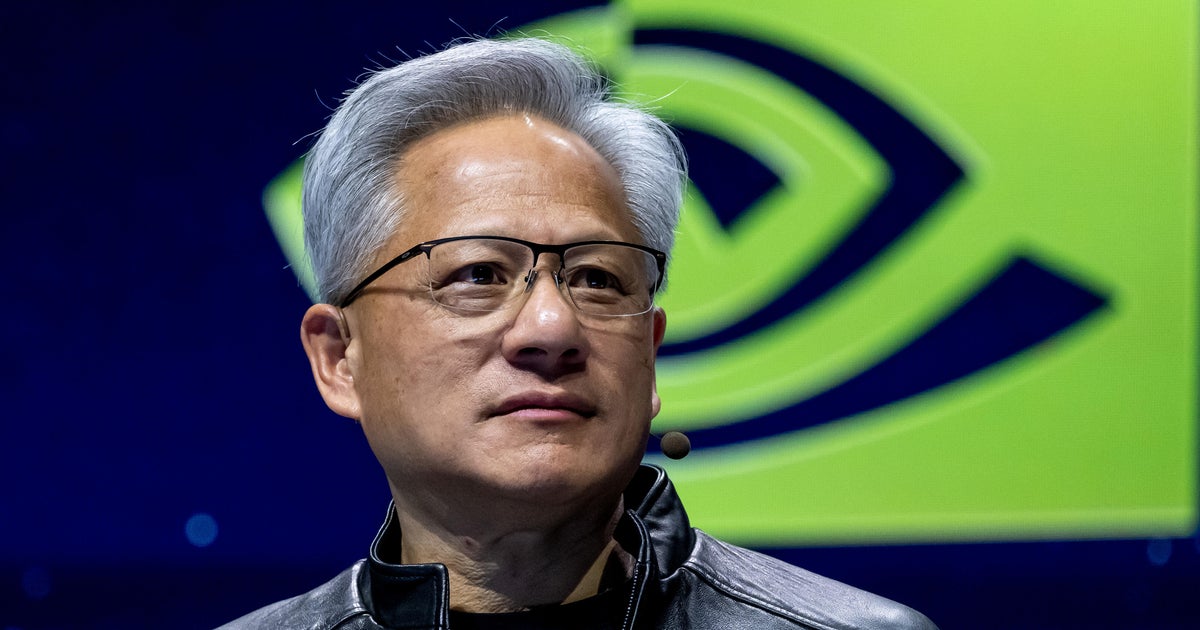
On November 17, 2026, Jensen Huang commented on his resignation as Nvidia CEO for the first time in a post on X. He stated that employees, investors, partners, and customers are asking him to return, and he is ready to take the CEO seat again with the board's approval, which must weigh the interests of shareholders, employees, the company, and the United States. On the same day, board chairman Harvey Jones confirmed that the resignation was accepted unanimously and the board does not intend to reinstate Huang; CFO Colette Kress is fulfilling CEO duties during the transition period. Pressure for his return is being amplified by a public campaign: the "Stand With Jensen" petition on standwithjensen.com gathered over 180,000 signatures by November 16, approximately 9,000 of which were left by Nvidia employees themselves. Among Huang's public supporters are U.S. President Donald Trump, Elon Musk, Shopify founder Tobias Lütke, and Epic Games head Tim Sweeney.
Context
The stakes in this story are higher than a typical personnel decision: under Huang's leadership, Nvidia transformed into the largest supplier of AI accelerators, and its chips power the training and inference of virtually the entire modern AI industry. The resignation coincided with a new wave of regulatory attention: the company is creating a board compliance committee, and on December 1–2, Huang and Nvidia General Counsel Tim Tetter will testify before House committees against the backdrop of an investigation into Singapore-based Megaspeed International and export control issues. According to sources, Nvidia is looking for a permanent CEO primarily outside the company, and the new leader may set different priorities regarding development, sales policy, and interaction with regulators.
Why this matters for the industry
For the AI industry, this is an operational-risk news item rather than a product one: the largest supplier of AI accelerators is being managed in a transitional mode, although the business foundation remains abnormally strong. According to the Q3 2026 report (August–October), Nvidia's revenue nearly doubled year-over-year to $116 billion, the data center segment more than doubled to $107.6 billion, earnings per share were $2.70 compared to expectations of $2.48, and the forecast for the fourth quarter reaches $130 billion; this indicates that demand for AI computing continues and short-term plans for capacity and procurement do not need adjustment. Risks are concentrated in the management plane: under interim leadership and a new compliance committee, large contracts and partnership negotiations may proceed more slowly. The main turning points on a six-month horizon are the results of the December congressional testimonies, the conclusions of the board's independent investigation, and the appointment of a permanent CEO; on a two-year horizon, a gradual shift by major players toward a multi-vendor inference strategy and reduced concentration on a single supplier is likely.
Why this matters for users
For users and readers, there are no direct changes at the moment: sources do not record adjustments in GPU availability, prices, specifications, features, or API terms. The market, however, reacted sharply: over the week, Nvidia shares lost more than $500 billion in market capitalization, and after the report on a strong Q3, they gained 5.2% in after-hours trading—volatility of this scale is felt by everyone holding company stock or having exposure to the AI sector. A practical step for teams whose products rely on this stack is to review dependencies: map out where solutions are tightly tied to the vendor's stack and provide a buffer in case of delays in large contracts or tightening of export rules. The nearest observation point is December 1 and 2: the answers from Huang and Nvidia's legal counsel before House committees may set the tone for accelerator sales rules and export control policy for 2027.
What is currently unknown / limitations
The outcomes of most turning points remain unknown: what the House committees will hear on December 1–2, what conclusions the board's independent investigation will reach, who Nvidia will appoint as permanent CEO, and how that person will change the company's priorities. A separate caveat concerns the "6–18 month uncertainty window" estimates circulating around this story: two data points—Q3 results and the Q4 forecast—do not methodologically provide a basis for conclusions about a six-month horizon, so such extrapolation is an interpretation, not a fact. Finally, Huang's post does not contain data on models, architectures, or benchmarks and reflects the author's personal and corporate position, not technical evidence.
Sources
- Jensen Huang's post on X about readiness to return to Nvidia
- BNN Bloomberg / The Associated Press — Nvidia chairman says board does not intend to reinstate Jensen Huang as CEO
- CBS News — Nvidia's board of directors is against bringing back Jensen Huang as CEO
Author
Look at AI, editorial team