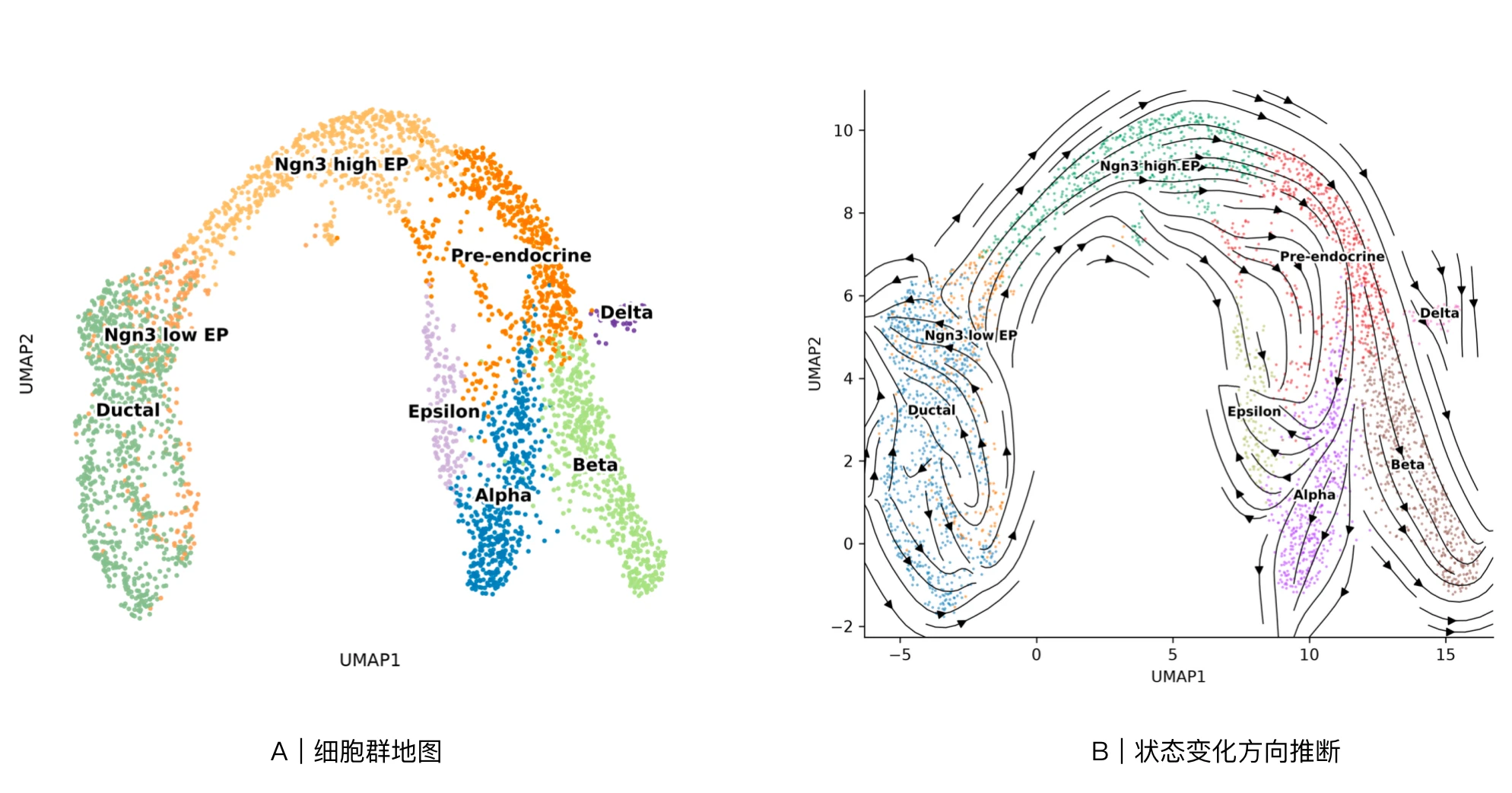
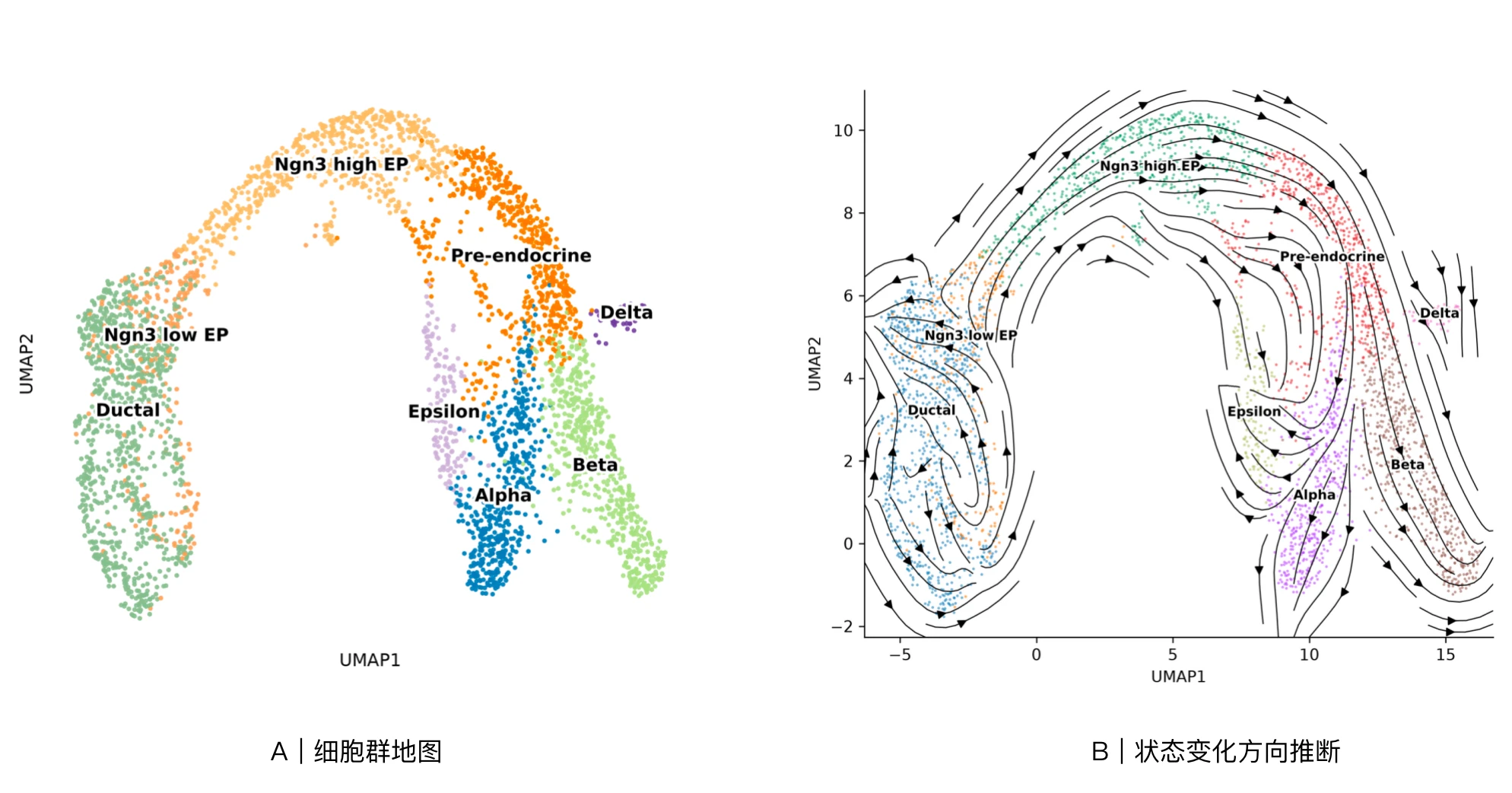
Chinese startup Moonshot AI, developer of the Kimi model family, announced at the Web Summit conference in Lisbon that it is shifting the focus of its flagship models from programming to biology, chemistry, and pharmaceuticals. The company's international director, Giacomo Ficari, explained the decision by noting that scientific tasks require more powerful models than code, finance, or law, while demand for coding is approaching saturation. The words are backed by action: Beijing-based startup DP Technology connected the Kimi K3.1 Pro model to its scientific agent BioMaster, which analyzed gene expression in 3,696 mouse pancreatic cells in approximately 90 minutes compared to 4–8 hours of manual work and produced a list of 100 candidate genes, although the pharmaceutical industry currently approaches such cases with caution.

What happened
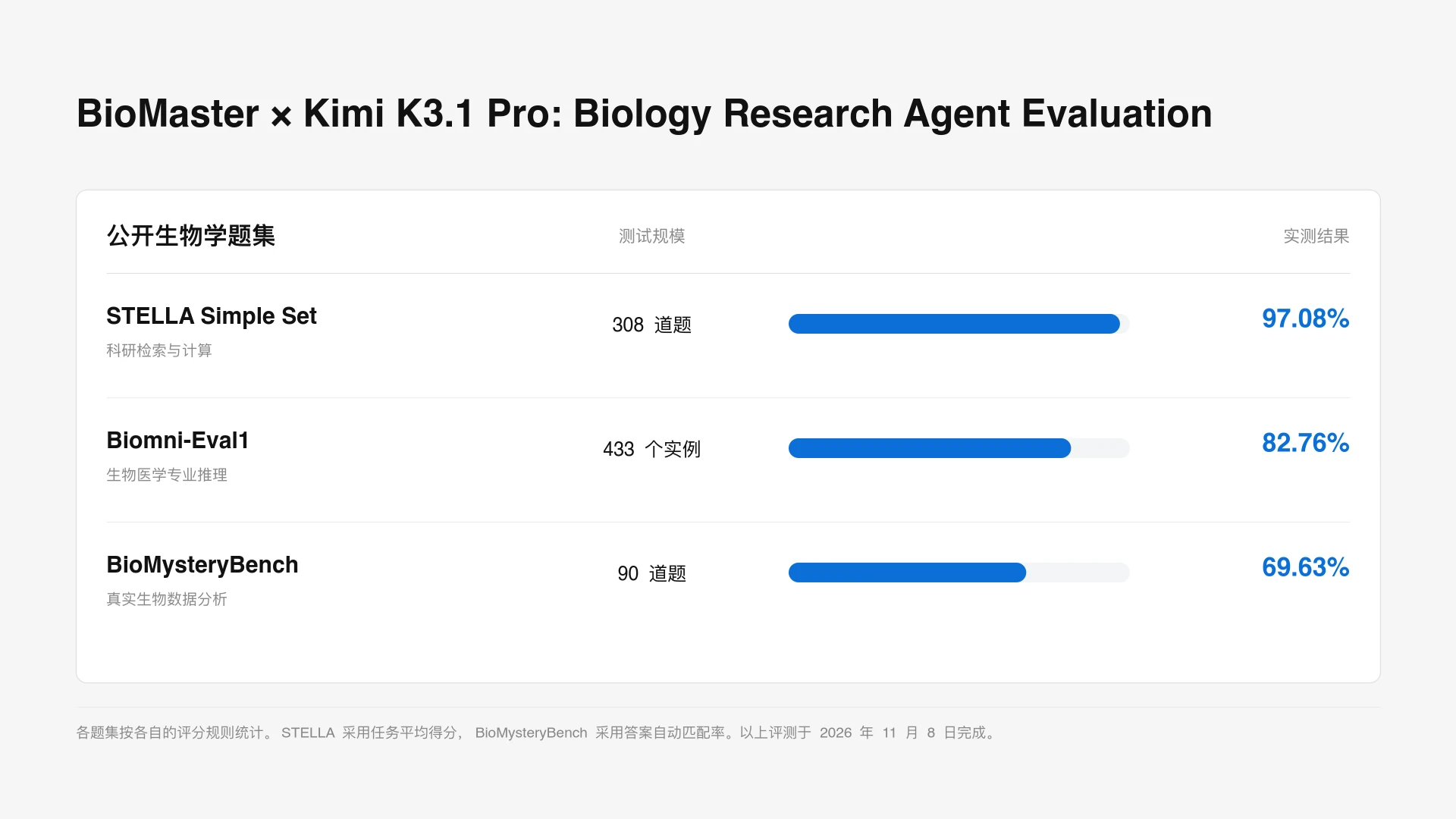
The pivot was announced from the stage of Web Summit in Lisbon: Moonshot AI's international director Giacomo Ficari stated that biology, chemistry, and pharmaceuticals are becoming the priority for Kimi models, as scientific tasks require more powerful models than code, finance, or law, and demand for programming is close to saturation. Simultaneously, the first practical result was published: Beijing-based startup DP Technology (深势科技) integrated Kimi K3.1 Pro into its scientific agent BioMaster, operating on the Bohr platform. The Kimi K3.1 Pro model was released in late October 2026, contains 3 trillion parameters, and accepts a context of 1 million tokens. In a notable run, BioMaster, together with Kimi, processed gene expression data for 3,696 pancreatic cells from a mouse embryo at day 15.5 of development (E15.5 stage) and compiled a list of 100 candidate genes, including Neurog3, Ins2, and Gcg, in approximately 90 minutes, whereas similar manual work takes from 4 to 8 hours.
Context
The announcement should be read against a specific backdrop. First layer: according to The Decoder, Moonshot AI's pivot is happening against the backdrop of flattening growth in results on frontier model coding benchmarks, where leaders have nearly caught up, vendors need a new field to demonstrate superiority, and science appears to be that field. Second layer: the niche of scientific agents is not empty; Anthropic with the Claude model and OpenAI are already developing scientific directions, so Moonshot AI is entering the territory of direct competitors rather than opening an empty market. Third layer: the pharmaceutical industry maintains caution; according to a June Citi survey of 50 R&D heads, 72 percent already apply AI, but only 24 percent expect a significant increase in drug development success, meaning the industry separates the utility of tools from expectations for new molecules. Finally, the BioMaster case itself must be read correctly: the identified genes Neurog3, Ins2, and Gcg are canonical markers of pancreatic endocrine cells, meaning the agent was reconstructing a known answer, and the demonstration confirms the pipeline's functionality rather than providing new biology.
Why this matters for the industry
For the industry, the main effect is a new measure of frontier capability: the quality of working with biological data becomes a competitor to coding benchmarks as a criterion for a flagship model, and the fight for scientific agents intensifies because Anthropic and OpenAI are already working in the niche, and now Moonshot AI is entering, so competitors' announcements and the emergence of biological model evaluation sets should be expected in response. The second effect is a reproducible product template: a vertical domain agent like BioMaster, built on top of a flagship model with long context, provides measurable time savings on routine analysis, and Kimi K3.1 Pro is available via API, so startups can replicate the "model plus agent" combination without capital expenditure on inference. From this follows a cold conclusion for code-oriented teams: the advantage of "we program better with AI than anyone" loses its defensive strength, and the differentiator in scientific agents will be domain tools and connectors to laboratory data. Within a horizon of about six months, a wave of clones of this template, more detailed vendor descriptions of methodology, and the first independent attempts to replicate the case are likely; within a two-year horizon, there is a fork in the road: if the approach is confirmed on independent tasks, LLM agents will become a standard accelerator for routine laboratory analysis, and biological scenarios will enter the main evaluation sets for frontier models; if not confirmed, the announcement will dissolve into general hype.
Why this matters for users
Everything described is already available for hands-on verification. The official DP Technology and Kimi case is published on the kimi.com website and shows with real figures on which tasks the agent combination saves hours, and the Kimi K3.1 Pro model is available via API with a context of up to 1 million tokens, so a researcher with their own biodata can replicate demo-class tasks on their own dataset, and a developer can build a similar domain agent. However, expectations must be kept sober: this is about accelerating routine analysis, not about independent scientific discoveries, as in TCSExam no leading model has yet proven a single open hypothesis, so any candidates found by the agent require human verification and validated methods.
What is still unknown / limitations
The evidence base today consists of public statements by Moonshot AI leadership and one vendor demo run of BioMaster, whose methodology has not been disclosed: prompts, agent logic, number of runs, method of candidate verification, and comparison with classic single-cell pipelines are unknown, so the case's reproducibility cannot be assessed, and there have been no independent checks yet. The thesis that science requires stronger models than code remains a vendor statement at a conference and is not yet supported by independent scientific validation. Before production application, three measurements are mandatory, which are not in the sources: actual run time on working data volumes, inference cost with long context, and accuracy against validated pipelines; the price of access to Kimi K3.1 Pro for such loads has not been published. The announcement itself does not yet change scientific standards or pharma processes.
Sources
Author
Look at AI, editorial team