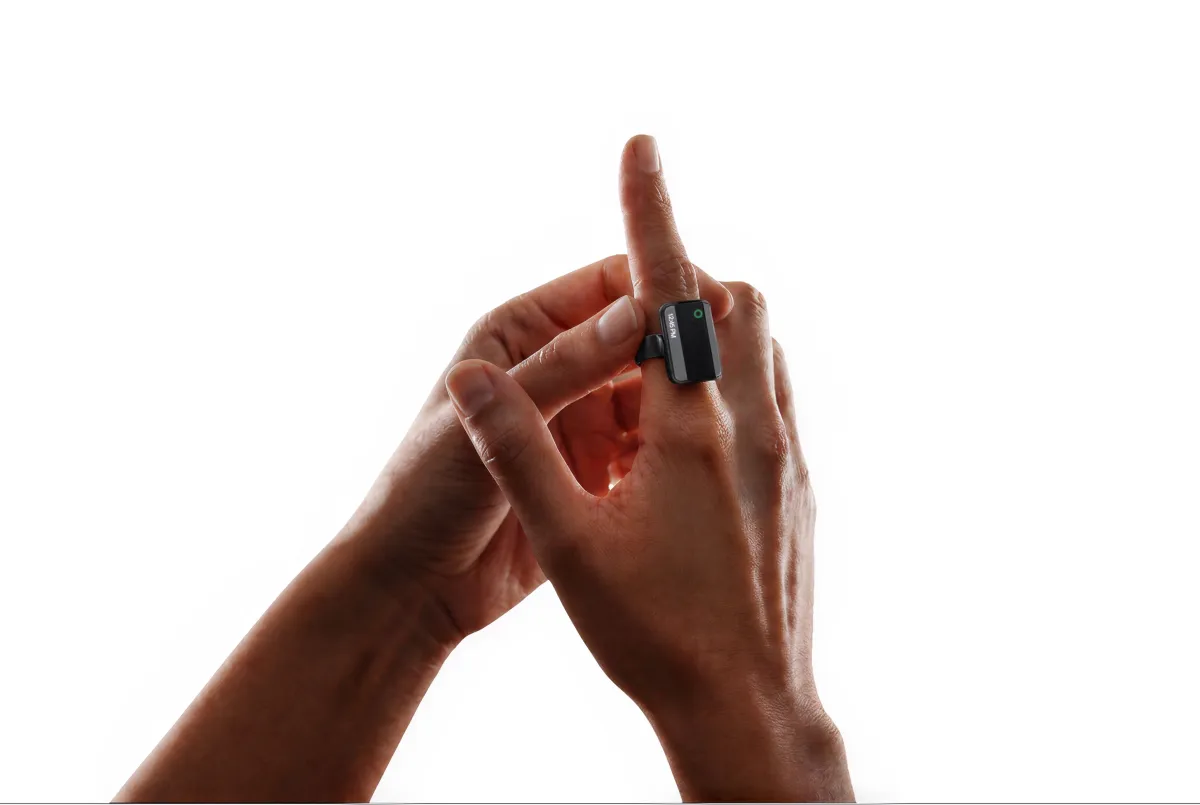
On November 5, 2026, startup Aina opened pre-orders for a smart ring equipped with an OLED screen, joystick, microphone, and speaker. The gadget displays what an AI agent is about to do, and the owner confirms or rejects the action with a thumb gesture, without needing to take out their phone. Pre-orders start at $399, with first shipments promised for January 2027. The focus here is not on health, as with classic smart rings, but on a new way to keep humans in the loop when working with proactive AI agents.

What happened
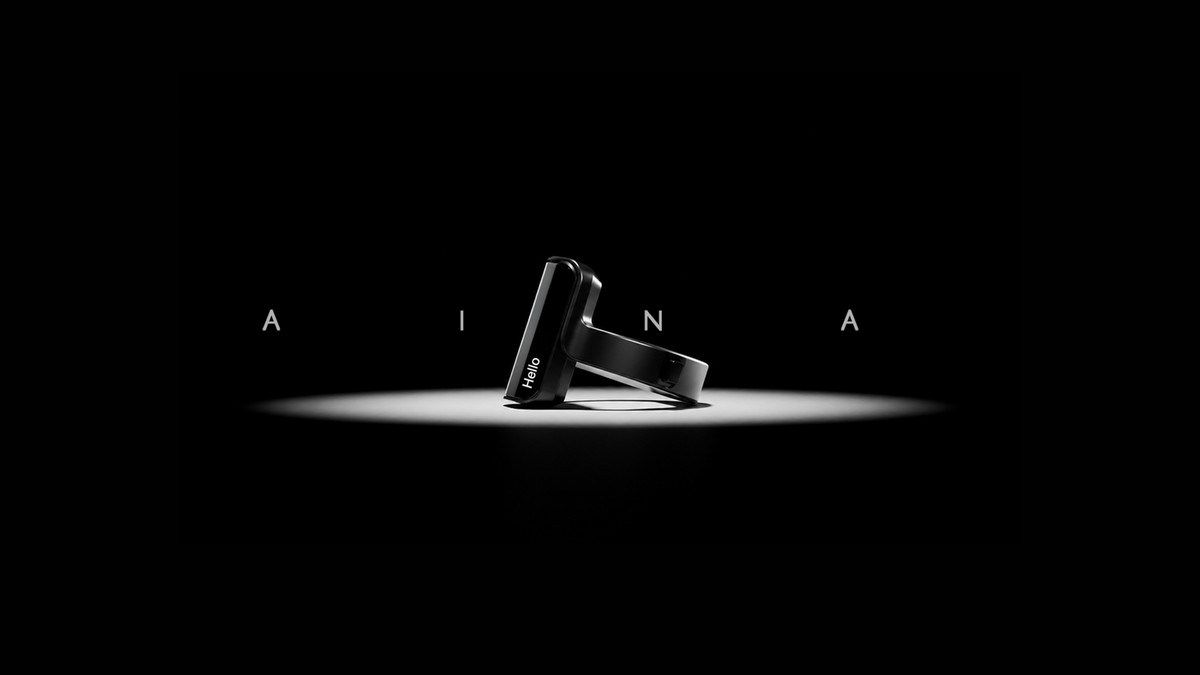
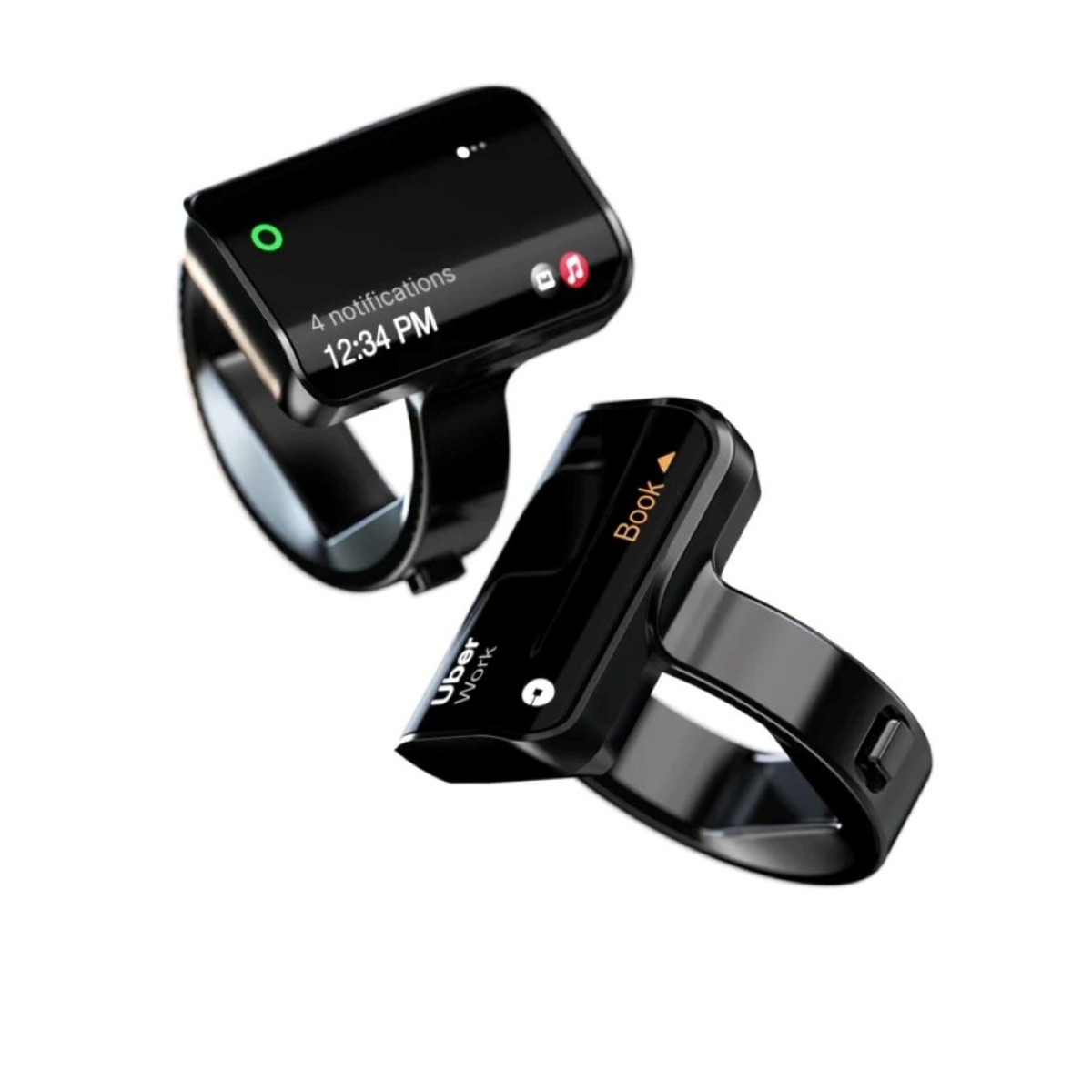
On November 5, 2026, startup Aina launched pre-orders for the Aina Ring — a device with an OLED screen, joystick, microphone, and speaker. The operating logic is simple: when an AI agent is about to perform an action, it appears on the miniature screen, and the owner either confirms or cancels it with a single thumb movement. According to the company, the ring system relies on the calendar, location, and apps, keeping three contextual Cues ready and displaying one relevant one at the moment — for example, suggesting to call an Uber if you need to be at work by 9 a.m. Claimed autonomy reaches up to 18 hours, the ring is available in 7 sizes, protected to IP65 standards, and comes with a charging stand. Pre-orders are tiered: early price is $399, then $419 and $449, with the full price being $499. First shipments are promised for January 2027; at launch, developers claim compatibility only with Apple devices.
Context
In the smart ring segment, health scenarios have ruled so far: pulse, sleep, activity. Experiments with AI accessories like Pebble Index 01, Sandbar Stream, Oasis, and Natura have not yet turned into an independent category, and Aina offers a different idea in this niche: the ring does not measure the body but serves as an external screen and remote for proactive AI agents that plan actions themselves and await approval. The product answers a question that agents currently handle inconveniently: how to approve an action when the phone is in your pocket, not in your hand. The startup itself is not new to the market: before the ring, the team released the Mirage controller for Mac.
Why this matters for the industry
For the industry, the signal is stronger than the device itself. In July 2026, Aina raised $5.5 million from Redstart Labs and 360 One, and venture capital funded separate 'agentic' hardware with an AI action approval function, rather than health tracking — this is a claim to a new category, a layer for approving agentic actions. Builders get a ready-made UX pattern: action preview on a small screen, confirmation with one gesture, and a buffer of contextual Cues; it can already be included in product backlogs as a benchmark for their own confirmation interfaces. If the category is confirmed, micro-confirmation with a finger movement may become a standard part of the agentic stack, on par with logging and metrics collection, approval logs will turn into a dataset for studying human control, and third-party platforms in the spirit of standards like MCP will start routing agent actions for confirmation via wearable devices. If not, approval primitives will be built into watches, glasses, and phones, and a separate ring will remain a niche accessory.
Why this matters for users
If you manage AI agents and live in the Apple ecosystem, the ring is available for order today, although at the full price of $499, it will have to be purchased later, while early pre-order tiers are cheaper. The practical value fits into three scenarios: confirming and rejecting agent actions with a thumb movement without taking out the phone; dictating notes by voice; and switching calls, music, and Apple TV with a gesture. It is important to remember that this is an early product: the software is still being refined, first shipments are only in January 2027, and only iPhone and Mac are supported, so it makes no sense for Android device owners to order yet. There will be no real benefit for buyers before delivery, because the ring has not yet been delivered to anyone: today, it is primarily an opportunity to compare your current method of confirming agentic actions with the 'screen on ring plus one gesture' model and decide whether it is worth taking a place in the queue.
What is still unknown / limitations
Key technical details have not been disclosed. It is unknown where inference is performed when generating and selecting cues — on the ring or in the cloud, what models are behind it, and by what protocol or API the ring is connected to agentic services. There are no numerical metrics: the accuracy of Cues ranking, the share of false suggestions, response latency, and statistics on confirmed and rejected actions have not been published, so the function cannot be verified using manufacturer data. The claimed 18 hours of autonomy with a screen, joystick, microphone, and speaker has not yet been independently measured by anyone. The description that the system learns from the calendar, location, and apps remains a company formulation. Until the first shipments in January 2027, the device does not reach users, and only independent reviews will show real autonomy, Cues behavior outside demo scenarios, and how often the confirmation gesture is used in practice.
Sources
- Aina's smart ring has a screen, a joystick, and a mic so you can talk to AI agents — TechCrunch
- Aina Ring — official website (specifications, prices, pre-order)
- Aina Ring, First AI Smart Ring with Screen and Joystick, Opens Pre-Orders — TechTimes
Author
Look at AI, editorial team