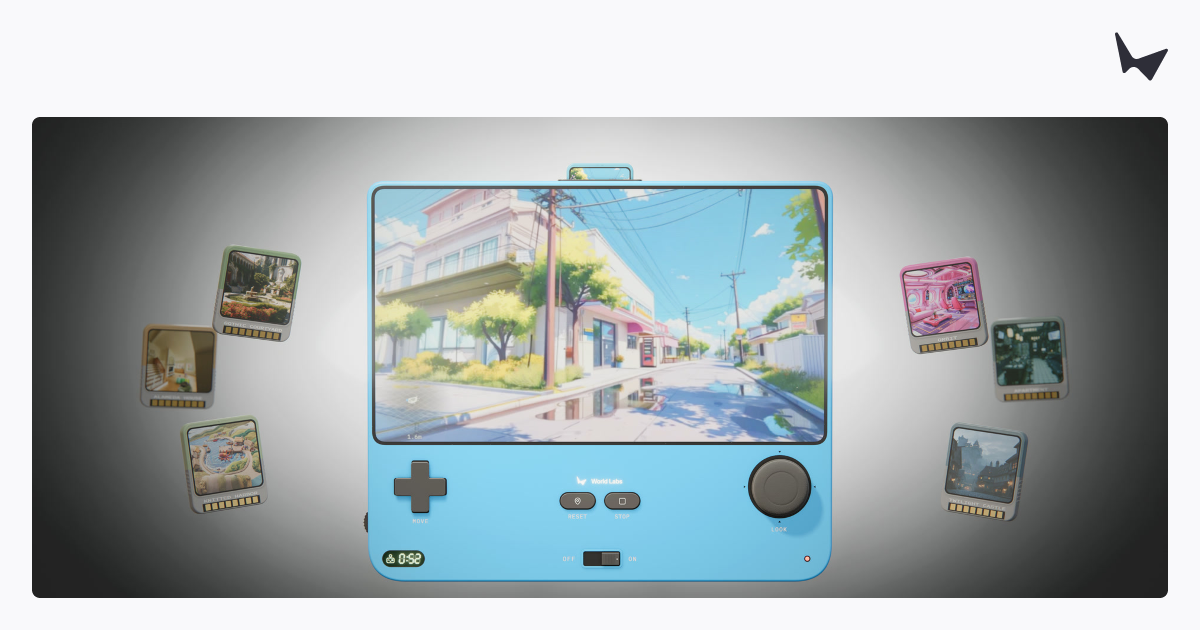
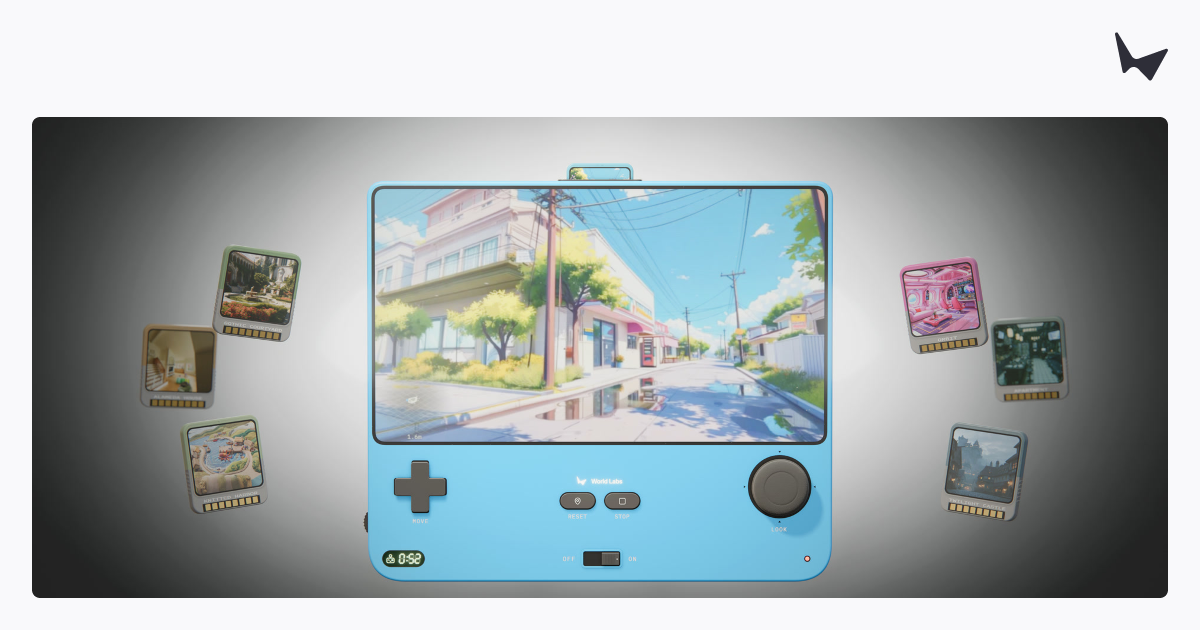
From November 4 to 6, 2026, the US Department of Justice (DOJ) launched the Super Intelligence Task Force, a group centralizing criminal and civil investigations in the AI sector, and promised a legal framework concept by the end of November to simplify data center permits. Under the India Semiconductor Mission 2.0 program, India announced plans to design its own GPU in approximately 24 months. World Labs opened a research preview of Frameboy, streaming generative Atlas worlds to the browser at up to 15 fps. Cursor learned to publish web applications from a single prompt, while Perplexity released "long-lived" Teammates agents for a $200 monthly subscription.


What Happened
The US Department of Justice formed the Super Intelligence Task Force (DOJ-SITF) based on a presidential memorandum dated October 13, 2026. The group coordinates criminal and civil investigations in the AI sector, led by Deputy Attorney General Stanley Woodward and Stephen Weiss. In US government documents, artificial intelligence has been officially renamed Super Intelligence (SI). The DOJ promises to present a legal framework concept by the end of November that simplifies data center permits. S. Krishnan, Secretary of India's Ministry of Electronics and IT (MeitY), stated that under the India Semiconductor Mission 2.0 program, the country expects to design its own GPU in approximately 24 months, while simultaneously commercializing RISC-V processors SHAKTI and VEGA. In Gujarat, Tata Electronics is building a 50,000-wafer-per-month fab with ASML and Intel. World Labs released a research preview of Frameboy: frames of a generative world are streamed from cloud GPUs to the browser at up to 15 fps, allowing navigation through Atlas model worlds built from a single image or text prompt. Cursor added web application publishing on paid plans with cloud agents, and Perplexity launched Teammates—"long-lived" AI agents in the web version on the Max plan for $200 per month.
Context
This package should be read as several interconnected shifts. In the US, stricter oversight and infrastructure easing are happening simultaneously: the new group centralizes investigations and increases attention to companies' "internal controls," while the renaming of AI to Super Intelligence is not cosmetic but a consolidation of a term that will now appear in legal acts, designating AI as a strategic regulatory object. India is playing the sovereign computing card: local authorities compare the AI boom to a "Y2K moment" for the national IT industry, however, SHAKTI and VEGA are mature open RISC-V cores, meaning a CPU foundation rather than a graphics accelerator. Technologically, Frameboy marks a shift in world models: the generation of individual clips is giving way to real-time interactive navigation, where the scene is not pre-baked but generated from a single image or text—without a pre-baked scene. The pattern of "persistent agent plus isolated environment plus context memory plus integrations," demonstrated by Teammates and Cursor's cloud agents, appears to be becoming standard for developer tools.
Why This Matters for the Industry
For the industry, DOJ-SITF means a single window for law enforcement: criminal and civil AI cases are coordinated from one center, so it makes sense for companies to check their own "internal controls" in advance. The content of the promised legal framework concept will determine whether data center permits are simplified and whether new procedural requirements appear—for infrastructure builders, this is more important than the headlines about the group. The Indian plan, if partially fulfilled, forms a second major player in the AI hardware chain and could change the geography of supply in a market valued at $100 billion by 2030, while the commercialization of SHAKTI and VEGA will provide an alternative for inference on edge devices. The package gives developers three specific levers: browser-based real-time access to generative 3D worlds, web application publishing from a cloud agent, and a reproducible template for a "persistent" agent with an isolated environment, memory, and integrations. In the coming years, a more radical shift is possible: if generative worlds match the quality of baked techniques like Gaussian Splatting but are cheaper to create, part of the classic CG pipeline will be called into question—this is a testable scenario, not a fantasy.
Why This Matters for Users
Trends can be tested by hand today. Frameboy opens in the browser at frameboy.worldlabs.ai: the smoothness and consistency of the world during free navigation are evaluated by eye—this is a research preview for prototyping interfaces, not for full applications. Subscribers to paid Cursor plans with cloud agents can publish web applications: a typical internal tool is assembled in one prompt, shortening the path from idea to working service to minutes, but the code still needs to be checked manually. Teammates are available on the Max plan ($200 per month) in the web version of Perplexity; before trusting such "long-lived" agents with constant tasks, it is worth monitoring how they maintain context and credentials in isolated environments.
What Is Still Unknown / Limitations
Key caveats. The 15 fps of Frameboy is a claim about inference and latency, not world quality: latency, resolution, and consistency metrics during free camera movement have not been published, the preview is closed to details, reproducibility is zero, API and prices have not been announced, and there is no direct comparison with Gaussian Splatting in the materials. The goal of "own GPU in 24 months" remains a political declaration rather than a technical plan: no manufacturer, tech process, or software stack has been named, and transferring experience from RISC-V cores to a graphics accelerator is a non-trivial task. Cursor and Perplexity describe features, not measurements: benchmarks for context retention, reliability over long horizons, and isolation security have not been presented. Finally, the text of the DOJ legal framework concept has not yet been published—the document itself, not the announcements, needs to be evaluated.
Sources
- Department of Justice Launches Super Intelligence Task Force (DOJ press release, 26-1319)
- DoJ's 'Super Intelligence Task Force' up and running — The Register
- Tom's Hardware: India targets creating homegrown GPUs within 2 years and plans to commercialize indigenous SHAKTI and VEGA RISC-V processors
- Frameboy: Atlas in Real-time (World Labs, research preview)
Author
Look at AI, editorial team