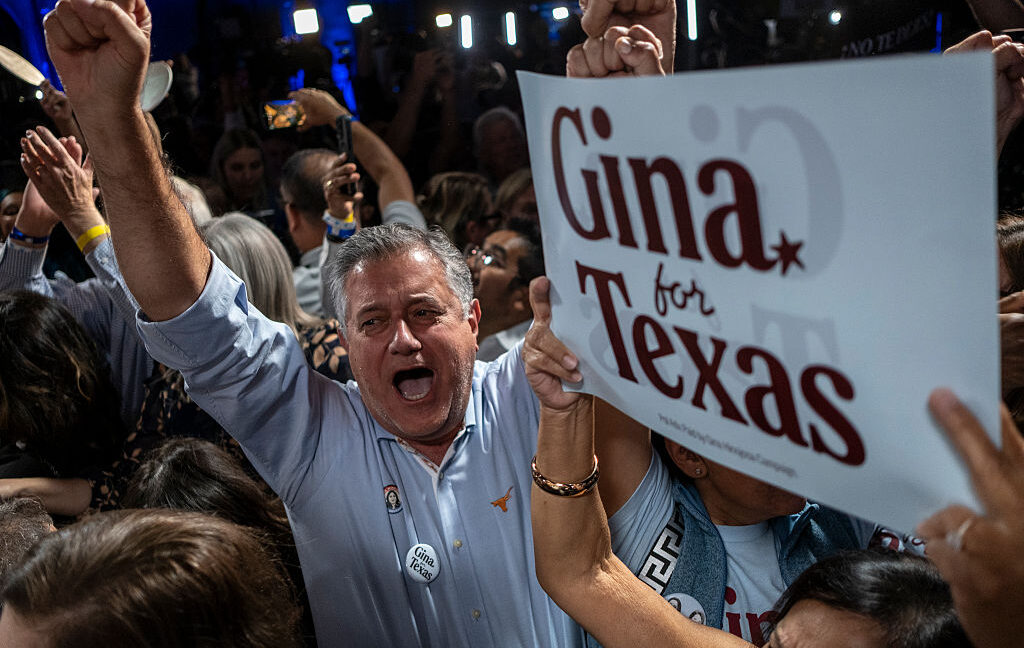
In the 2026 US midterm elections, voters in ten states supported 38 of 44 initiatives restricting data center construction, including dozens of moratoriums and direct bans. Democrats won gubernatorial elections in Texas, Arizona, Georgia, and Ohio—states that are key for AI infrastructure placement. Technology companies are attempting to frame this wave as a protest against Donald Trump’s policies rather than against the technologies themselves; however, data centers have become a full-fledged topic in American elections for the first time, and industry estimates are already warning of mass construction delays.
What happened
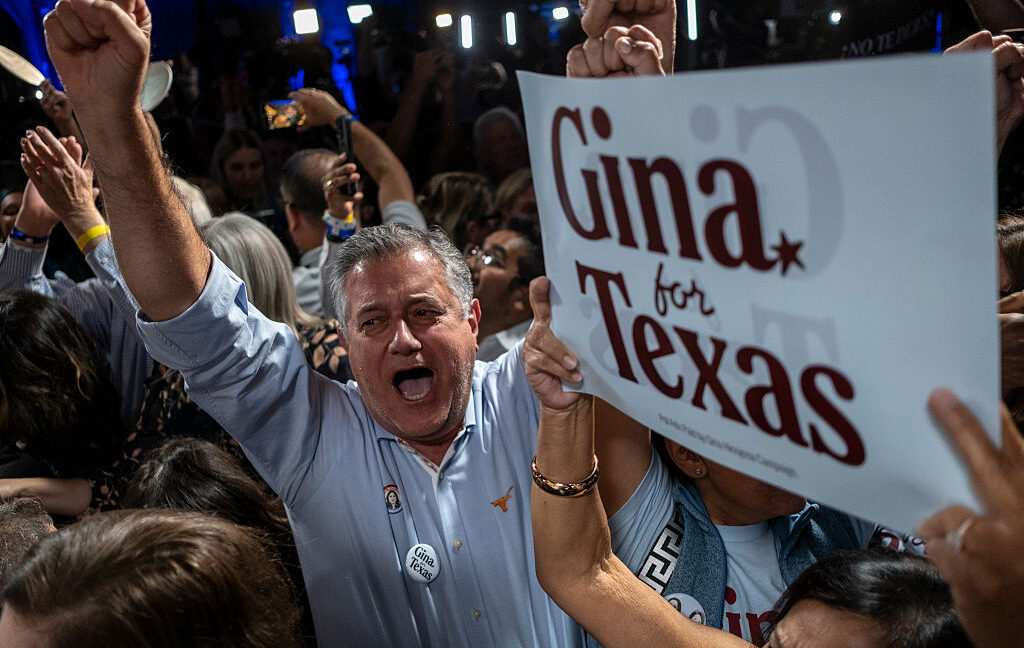
In the 2026 midterms, residents of ten US states approved 38 of 44 initiatives put to a vote that restrict data center construction; these include dozens of moratoriums and direct bans. Simultaneously, Democrats won gubernatorial elections in Texas, where Gina Hinojosa won, as well as in Arizona, Georgia, and Ohio. NBC News exit polls show that three out of four voters have a negative attitude toward data centers, and more than half cited AI and data centers as an important factor when voting. Restrictive initiatives passed in states with very different electoral conditions, meaning the result was a robust signal rather than a local victory for a single campaign.
Context
The impetus for the initiatives was citizens' complaints about specific construction sites: exit polls indicate that voters were concerned about energy, water consumption, and tax burden, rather than abstract fears of artificial intelligence. The industry, however, offers a partisan explanation: Adam Kovacevich, head of the lobbying organization Chamber of Progress, calls the recent wave an “anti-Trump” rather than an “anti-tech” mandate. The poll figures and this explanation are at odds: exit polls measure attitudes toward data centers and the issues bothering voters, while the “anti-Trump” label is an interpretation by an interested party, not a conclusion drawn from the data. The broader shift is that restrictions on scaling AI infrastructure have been codified for the first time not by a technical or regulatory decision, but by the direct will of voters, and from this moment, the availability of compute in the US becomes a politically mediated variable.
Why this matters for the industry
For the AI industry, the main consequences concern the timing and cost of construction. According to Axios estimates, delays could affect nearly two-thirds of the data center capacity planned for 2028, and according to Bloomberg, half of US data centers are now vulnerable to inspections. The situation is most specific in Texas, where approximately 13 GW of capacity is at risk, and projects without state environmental permits may be delayed by 12–18 months. Stricter rules on taxes, power grids, and water increase project costs and shift the revenue of companies that, according to Gartner estimates, are already falling short of self-sufficiency by nearly 5 trillion dollars. Some developers will likely move projects to more favorable regions like Louisiana and Georgia, and the slowdown in the US indirectly strengthens China's position in the global AI race. The practical takeaway for product builders: roadmaps for 2027–2028 that rely on promised capacity, quotas, and GPU cluster delivery timelines should be marked as risky, and unit economics should be stress-tested for price increases, for example, using plus 20 and plus 50 percent scenarios as a hypothesis, not a fact.
Why this matters for users
For service users, nothing changes directly today: this is a political mandate and a signal about future construction, not an incident involving existing infrastructure. But if you are following AI investments or building products on rented capacity, resistance to data centers must now be considered a real planning factor: it may slow the emergence of new computing power and affect API and cloud service prices in 2027–2028. It is reasonable to check in advance how much a product depends on a single provider or region, lock in current rates in contracts before the next round of negotiations, and budget for a reserve for rising computing costs. For residents of states where construction is underway or planned, the voting outcome provides a direct lever: requirements for energy and water consumption, taxes, and timelines are now codified at the state level through moratoriums and bans, not just in negotiations with developers.
What is still unknown / limitations
Causal attribution remains disputed in both directions: the durability of the passed initiatives in different electoral environments is a correlation, not an established mechanism, so neither the “anti-Trump” nor the “anti-tech” explanation is strictly derived from this data. Exit polls measure voter attitudes toward data centers and the issues bothering them, such as energy, water, and taxes, but do not answer the question of what exactly determined the choice in the voting booth. Axios estimates regarding two-thirds of 2028 capacity and Bloomberg’s claim about half of data centers being vulnerable to inspections are estimates, not measurements: their methodology is not disclosed in the material, so they should be treated with moderate confidence. The position of Chamber of Progress leadership is a statement by an industry organization, not a research finding. Finally, the economic consequences described in the material are projections: no price increases for API and cloud services, nor service disruptions, have been recorded yet.
Sources
- Big Tech claims voters’ AI backlash is “anti-Trump” not “anti-tech” — Ars Technica
- Big Tech claims voters’ AI backlash is “anti-Trump” not “anti-tech” — discussion on Hacker News
Author
Look at AI, editorial team