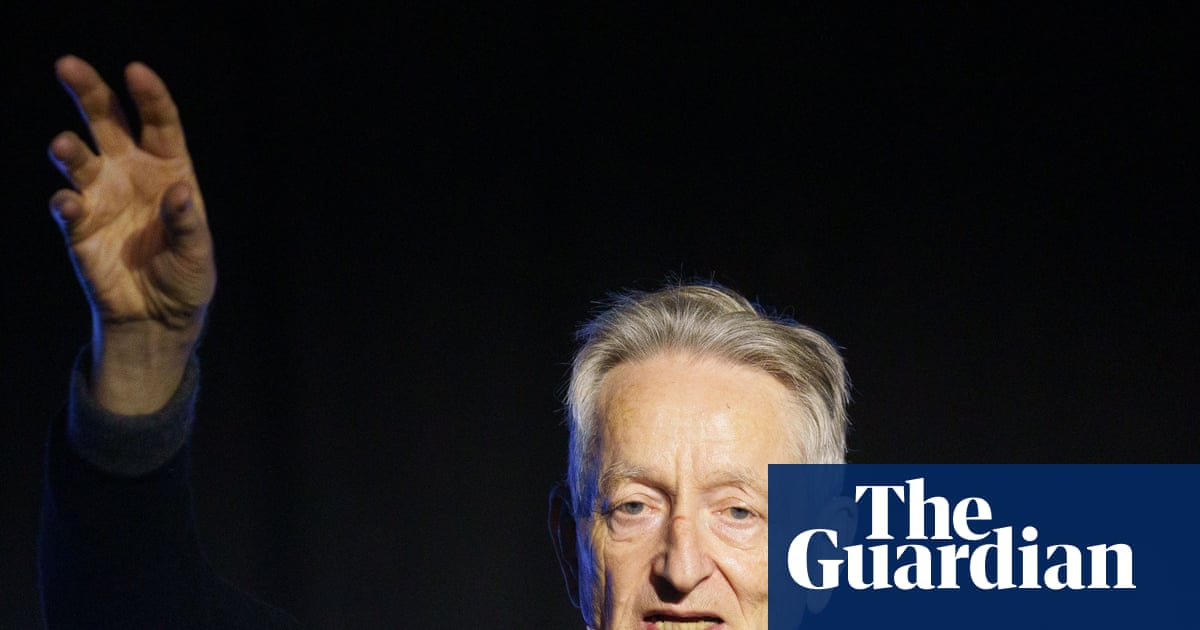
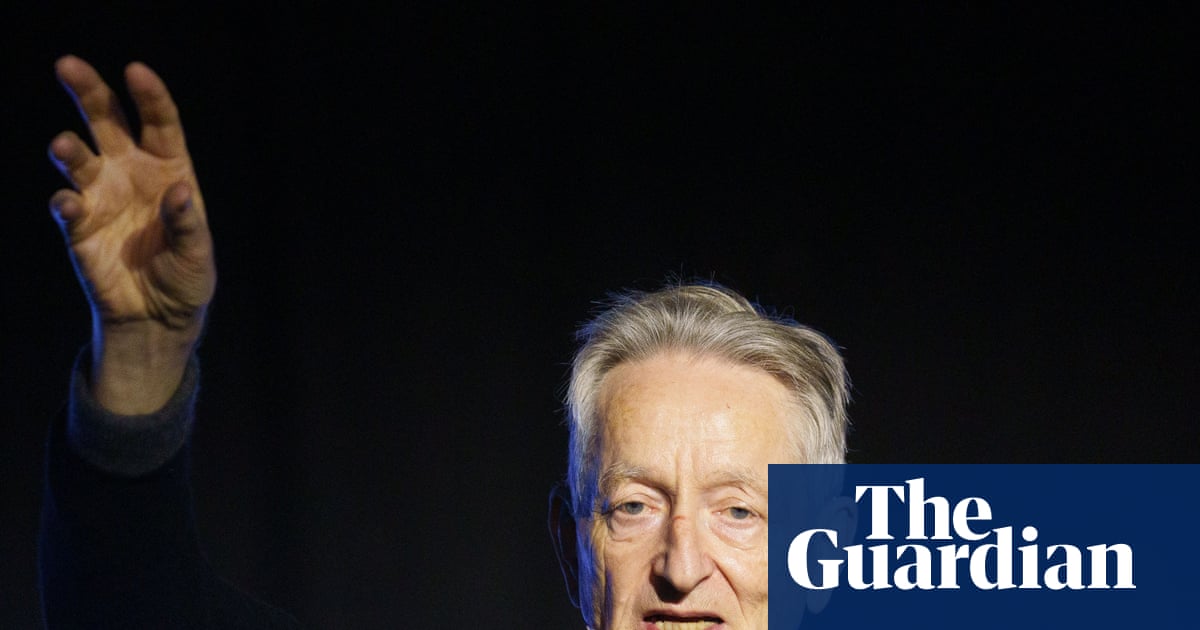
Nobel laureate and one of the founders of neural networks, Geoffrey Hinton, stated in an interview with The Guardian, published on November 3, 2026, that humanity might have been better off never creating AI. He predicts a major 'Chernobyl' incident involving AI this or next year and calls for the creation of a regulatory body modeled on the US FDA that would check AI models before their release.
What happened
In the interview with The Guardian, Hinton broke down his position into several specific statements. In his assessment, in ten years it will become clear whether the development of AI leads to 'radical abundance' — or to mass unemployment, growing inequality, and societal division. He tied a 'Chernobyl'-scale incident to a shorter timeframe — this or next year — clarifying that he is talking about an attack on energy or financial infrastructure. He also addressed specific individuals: according to him, Sam Altman, Mark Zuckerberg, and Elon Musk 'understand the risks, but they don't care.' He named the creation of a body modeled on the US FDA, which would check AI models before their release — rather than after user complaints — as the solution.
Context
The weight of this position is determined by who is voicing it: The Guardian calls Hinton the 'AI godfather' in the headline — he is a Nobel laureate and one of the scientists whose work gave rise to the entire neural network industry. In other words, the criticism comes from within the field he created, and it should be read not as a blog opinion, but as a signal in the long-standing debate about how to regulate models in general. Currently, self-regulation is the default — companies decide for themselves what and when to release, and it is this approach that the US administration promotes; Hinton rejects it. An alternative force on the table also exists: 33 countries, including Finland, Singapore, Germany, Canada, and Australia, are promoting unified international standards for AI assessment. The interview immediately received a separate thread on Hacker News — the technical community discussed it right away.
Why this matters for the industry
For the industry, this is a regulatory signal, not a technical news story: no new models, benchmarks, or results have appeared. The significance lies elsewhere — when a person of such scale voices criticism of self-regulation and calls for mandatory pre-release checks, the argumentation of supporters of external testing of frontier models is sharply strengthened, and the price of laboratories' silence about the quality of their own assessments grows. The lines of pressure are predictable: corporate clients will increasingly demand reports on how a model was tested before release, and demand for independent assessment infrastructure — from testing tools to logging AI agent actions — will grow, as will the initiative of the 33 countries. The horizon is set by Hinton himself: if the 'Chernobyl' scenario materializes within his window, pre-release checks will quickly become a de facto requirement and lengthen release cycles; if the window passes without an incident, the pressure will weaken.
Why this matters for users
Readers can take two useful things from the interview. First — a calendar of testable claims: the prediction of a major incident is tied to a one-to-two-year window, after which it will be possible to judge whether Hinton was wrong or not; the binary thesis about a ten-year turn between 'radical abundance' and unemployment is harder to test, and it is more honest to say so in the limitations. Second — Hinton is not a 'doomer': he emphasizes that 'our instinct tells us we are still in control,' meaning he insists on regulation, not on abandoning technology. Indirectly, this concerns every user of AI products: if the 'FDA for AI' idea is realized, passing external checks before release will become an industry norm. And if you are following AI regulation, this interview sets the framework for the discussion for the coming months.
What is not yet known / limitations
This is an opinion interview, not a study: the material contains no data, methodology, or threat models, so Hinton's conclusions should be read as the expert intuition of a very authoritative person, not as a calculation. The prediction of a 'Chernobyl' incident is not accompanied by a probability assessment and does not define what to consider an incident of sufficient scale; it is also impossible to directly derive specific engineering requirements from it — a threat model and quantitative assessments of attack surfaces are needed for that. The ten-year thesis about the turn 'radical abundance — unemployment' is not testable in its current formulation: neither the abundance metric nor the way to attribute unemployment specifically to AI is defined. Finally, all key theses trace back to a single text from The Guardian, and the exact formulations, including the criticism of Altman, Zuckerberg, and Musk, should be checked against the original interview.
Sources
- AI 'godfather' Geoffrey Hinton: it might turn out we were better off without AI — The Guardian (UK News)
- AI 'godfather' Hinton: humans might have been better off without AI — Hacker News (item 50359872)
Author
Look at AI, editorial team