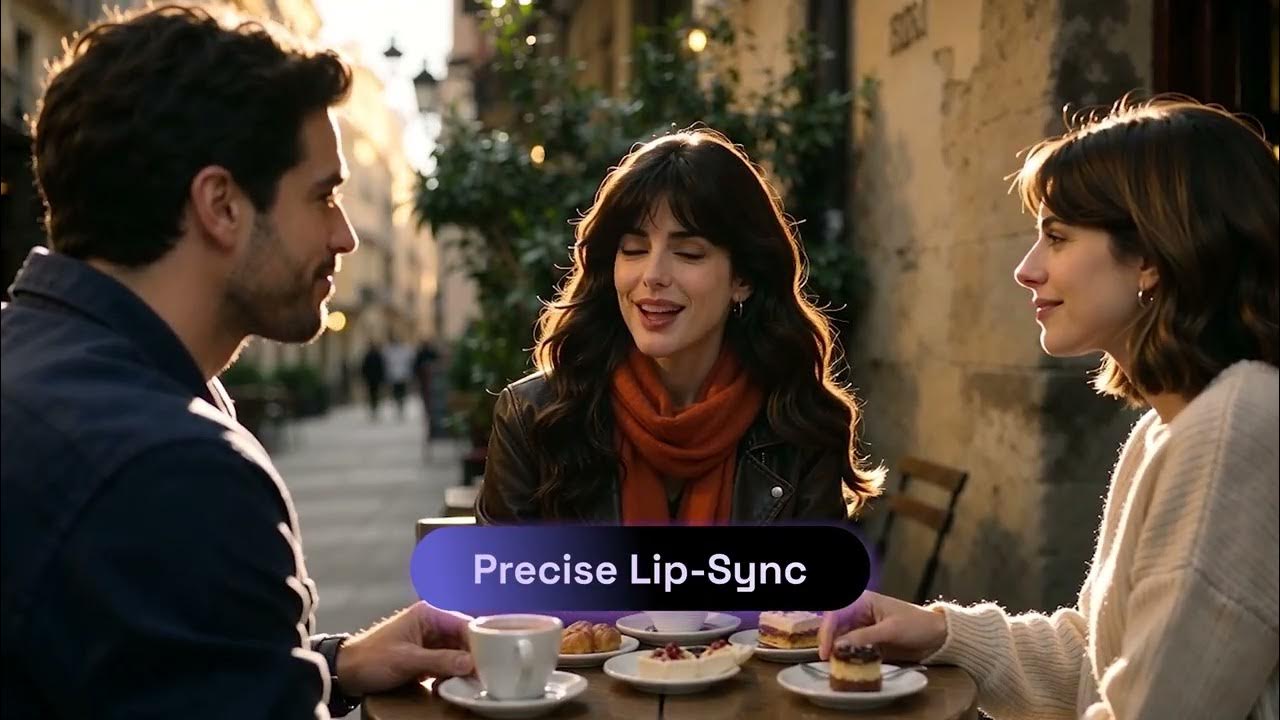
BytePlus, ByteDance's cloud division, has released OmniHuman 2.0 — a video avatar generation model that creates animation from a single photo and audio track, where lip-sync, facial expressions, and gestures are synchronized with the rhythm, intonation, and meaning of speech or singing. The main updates: a continuous take now lasts up to 5 minutes instead of the previous 60 seconds, the price has been reduced to $0.07 per second, and access via BytePlus Console and API is open now.

What Happened
The update changes several generation parameters at once. The length of a single take has increased from 60 seconds to 300 seconds: a five-minute video is created in one generation, without stitching individual segments. Output is now natively in 720p resolution. The model has gained gesture and camera control, learned to build scenes with multiple characters, and accepts optional text prompts alongside photo and audio. According to the official announcement, the price has been reduced from $0.12 to $0.07 per second — about 40% according to BytePlus's statement and approximately 42% by direct calculation; 30 seconds of generation now costs $2.10. At the same time, the product page retains the $0.12 per second rate for the 'SOTA lip-sync avatar' mode. Integration is available immediately via BytePlus Console and API, and BytePlus attached an official video on YouTube to the announcement.
Context
OmniHuman is a generative model by ByteDance, sold through its cloud platform BytePlus, that turns a static photo into a talking or singing character. Previously, such models produced videos of about 60 seconds, so long content was assembled from multiple generations: this required additional editing and often left visible seams between segments. Continuous generation over several minutes is an engineering challenge, because the main failure mode of such models is considered to be identity drift of the face and loss of facial expressiveness over time; the claimed fivefold increase in the limit itself implies a claim to improved model stability on long sequences. The segment of audio-controlled avatars, where ByteDance and BytePlus compete with analogs from other clouds, is developing along two axes at once — maximum take length and price per second. The presence of two pricing tiers shows that the vendor separates the standard mode and the 'SOTA' mode with different price-to-quality ratios.
Why This Matters for the Industry
For teams building content pipelines, the change comes down to unit economics. Localized advertising, e-commerce showcases, music videos, and character videos that previously had to be assembled from expensive short segments are now planned according to the published rate card — long formats are no longer exceptional in cost. Competition in the audio-controlled avatar segment is intensifying in both length and price simultaneously, so the 'script → voice → avatar' chain is becoming a standard production block, and pipelines built without stitching gain a direct advantage. Differentiation is shifting from the generation itself to quality control: metrics for maintaining facial expressions, the proportion of usable takes, and reproducibility of results. If the trend of 'length increases, price decreases' continues, talking avatar generation risks becoming a routine part of the video stack, and value will shift to orchestration and evaluation methodology; this is an interpretation of the trajectory, not a confirmed fact.
Why This Matters for Users
Vendor claims can be verified right now through BytePlus Console or API: a single photo and audio track are enough to get a talking character in 720p. Short tests of 5–30 seconds cost $0.35–$2.10 per attempt, while a five-minute generation is the most expensive and risky type of attempt, and failed takes multiply costs. Therefore, the practical sequence is this: first run a batch of short takes on your own characters, compare both pricing modes, measure actual generation time and the proportion of usable results, and only then launch long generations. Separately, it is worth checking how well the model maintains facial expressions and movement character over the entire five-minute distance — this is not shown in the announcement.
What Is Still Unknown / Limitations
The announcement does not show the model's behavior over the full five-minute distance: claims about quality improvement belong to the vendor and are not accompanied by methodology, metrics, or reproducible measurements. The known failure mode of such models — identity drift of the face and degradation of expressiveness over time — has not been assessed by independent data. Two pricing modes with prices of $0.07 and $0.12 per second create a risk of selective presentation of results in self-promotion: it is unclear which mode the quality claims refer to. Multi-character scenes and semantic synchronization of gestures with speech and singing are more ambitious requirements than lip-sync, and they are not verified by promotional materials. The announcement provides no data on latency and the proportion of usable takes, so these parameters should be measured independently before production use.
Sources
- OmniHuman 2.0 Official API — BytePlus (official product page)
- OmniHuman 2.0 API Document — BytePlus Vision AI (API documentation)
- Introducing OmniHuman 2.0 | Smarter Lip Sync, Longer Videos, Lower Costs (official BytePlus video announcement on YouTube)
Author
Look at AI, editorial team