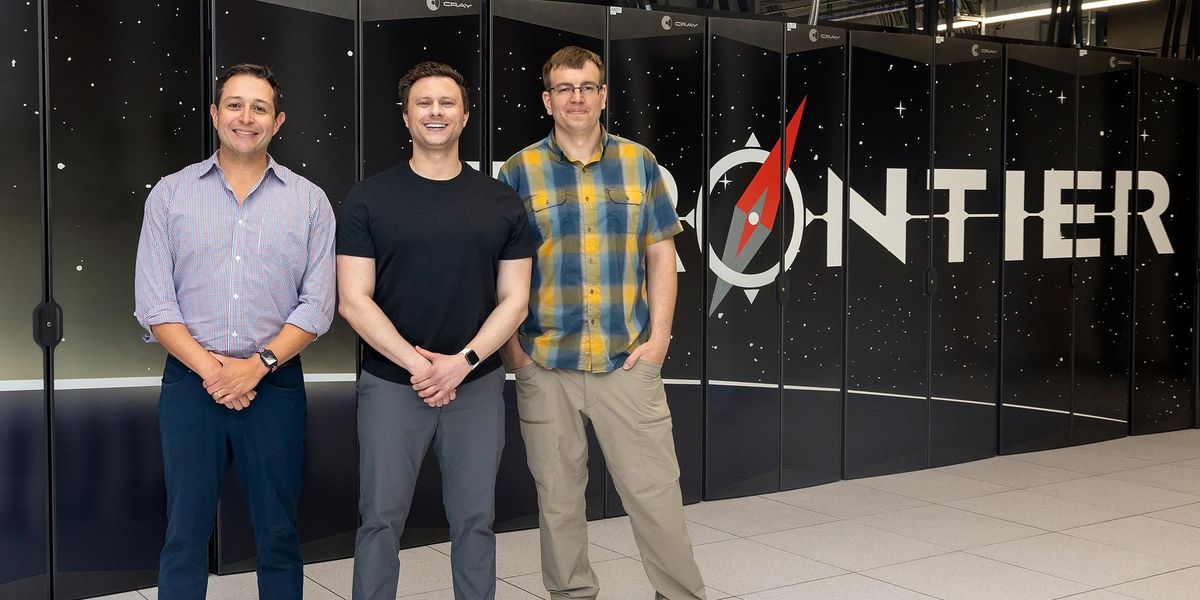
OpenAI is discussing the transfer of the Sora video generator to a startup by Bill Peebles, Jeffrey Katzenberg, and Suleyman Jasswa: the lab will receive an equity stake, and Sora, which was frozen after inference costs were estimated at approximately $1 million per day, is expected to be relaunched as a professional tool for filmmakers. Against this backdrop, Character.ai has moved to voluntary Chapter 11 bankruptcy and is selling assets through a court auction, Nvidia has revealed Vera Rubin rack specifications and the Open Data Center v0.7 standard alongside Google and AMD, and in China, under the leadership of Shintun Yau, the Yau Laboratory Alliance for Mathematics and AI has been established.
What Happened
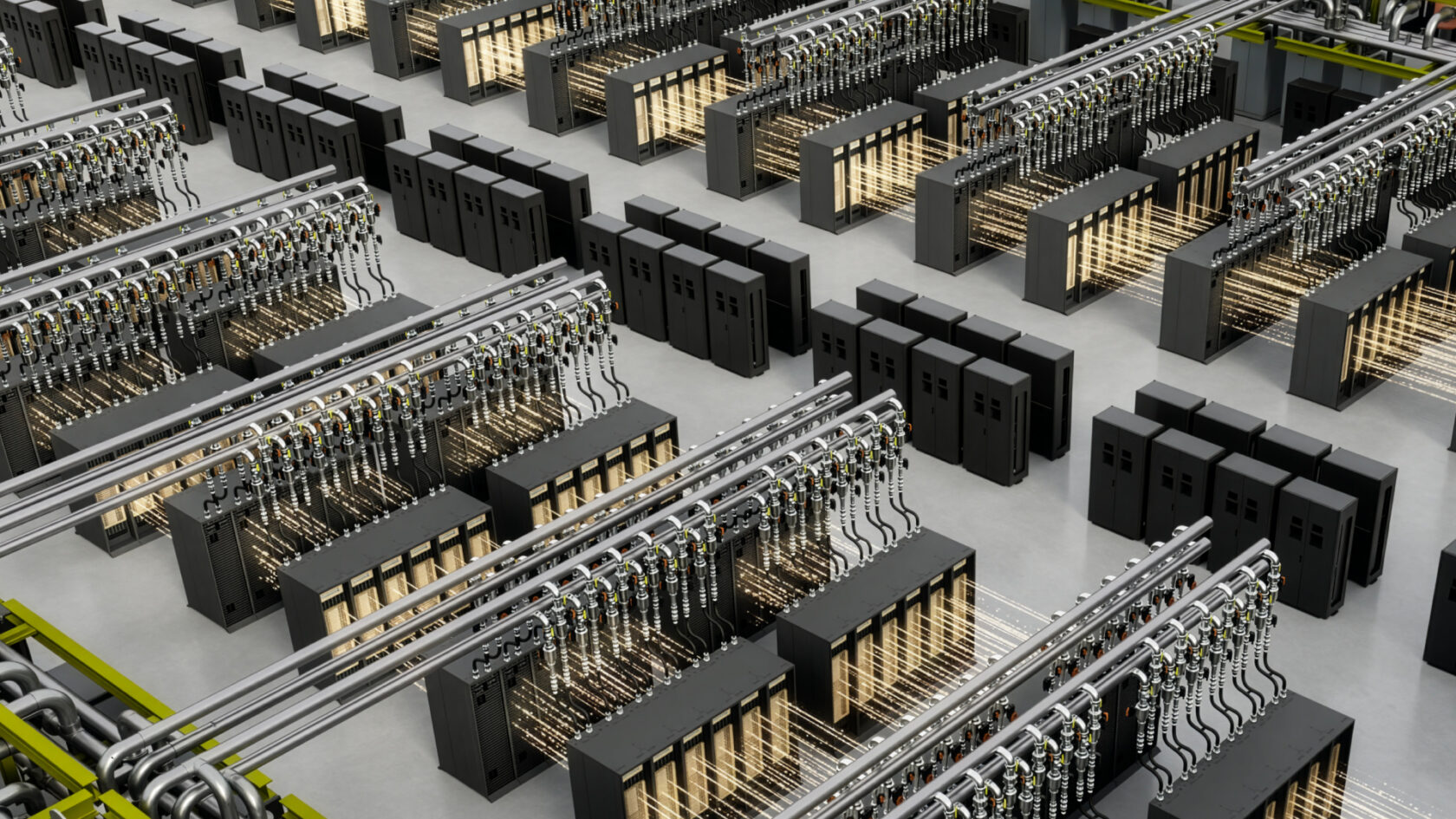
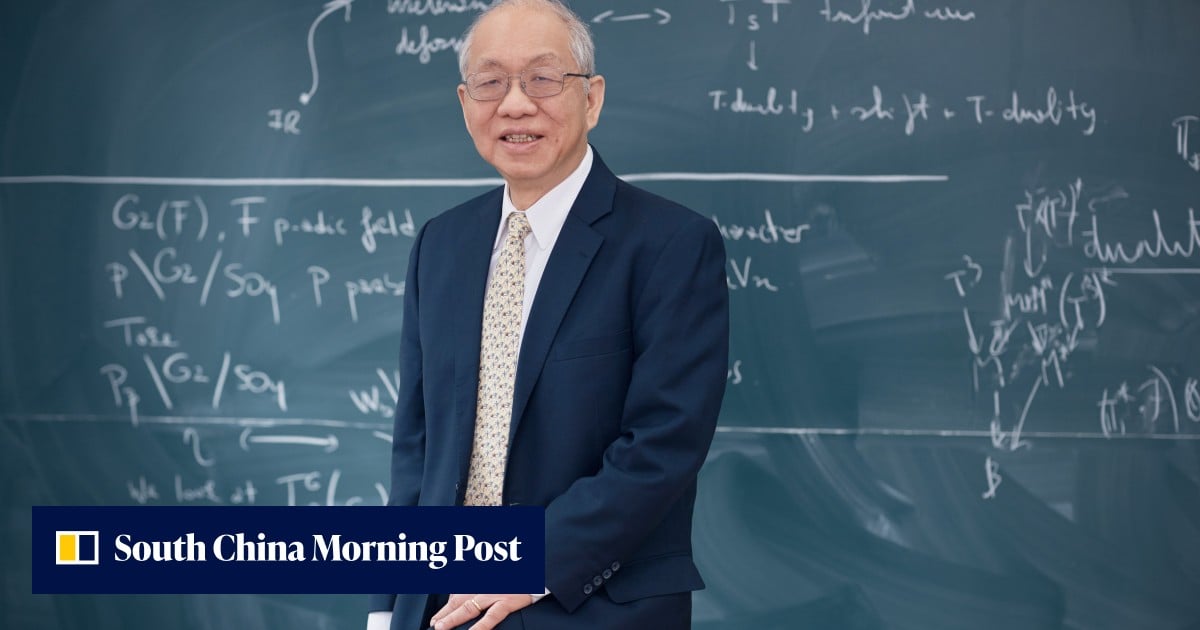
According to The Information, negotiations over the fate of Sora are being conducted with the involvement of Bill Peebles, who previously led the model's development: together with Jeffrey Katzenberg and Suleyman Jasswa, he is to receive the product, while OpenAI will receive a stake in the new company. Sora itself has already been halted: the web client was disabled in the spring, API access was closed in September, and the freed-up accelerators were redirected to ChatGPT and coding models. Character.ai filed a voluntary Chapter 11 bankruptcy petition in Delaware state court and launched a judicial sale of assets; the first, anchor bid in the role of a stalking horse belongs to Disney, which offered $20 million for a perpetual non-exclusive license. At the OCP Global Summit, Nvidia revealed Vera Rubin rack specifications under MGX 1.2—with calculations of up to 250 kW per rack and 800 V DC power—and jointly with Google and AMD published the Open Data Center v0.7 standard. Separately, in China, under the leadership of Fields Medal laureate Shintun Yau, the Yau Laboratory Alliance for Mathematics and AI has been assembled: eight research centers and approximately one thousand scientists with tasks of hypothesis generation, proof formalization, and building reasoning chains.
Context
The common denominator of the release is the fate of heavy generative products that no longer fit the economics of the labs. Sora's inference costs were so high that the project was halted, and computations within OpenAI received directions with proven monetization: compute allocation is becoming the main filter determining the fate of products. For Sora, the scenario chosen is not write-off, but transfer of the line to a specialized operator while retaining a stake for the creator: the asset continues to exist, but the computational and product load moves off the lab's balance sheet. The Character.ai case is following the same path, but through the courts: under legal pressure, a working conversational platform with user content is being sold off, and the buyer is determined by auction, meaning heavy generative products are leaving the internal perimeter of labs either through an equity deal or through bankruptcy proceedings. The infrastructure backdrop is the movement of AI factories toward open standards: the publication of MGX 1.2 and Open Data Center v0.7 moves rack design from proprietary documentation to an open field, supported by multiple vendors. The Yau Alliance occupies a separate place in this picture: it is an institutional research program in which AI is integrated into the mathematical cycle from hypothesis generation to formal proof verification.
Why This Matters for the Industry
Labs are getting a new template for dealing with heavy models: an expensive line can be moved to a separate company with equity participation instead of being conserved. If the deal terms include the transfer of model weights, a precedent will emerge for the industry of exchanging a heavy model for capital, and niches of professional tooling around such assets may grow on top of models that the lab itself is no longer ready to develop. The outcome of the Character.ai auction will set a public benchmark for AI license prices: the anchor bid has already indicated the lower bound by which the market will begin to calibrate valuations of comparable assets. For infrastructure designers, Nvidia's opening means the ability to rely on open documents backed by multiple vendors, rather than proprietary descriptions from a single supplier: this reduces integrator dependence and the barrier to entry for non-OEM players when planning energy-intensive data centers. For scientific groups, the Yau Alliance provides an organizational framework for coordinating AI-supported mathematics across eight centers instead of scattered individual projects.
Why This Matters for Users
Readers should distinguish between what has already happened and what is being discussed: any planning around Sora should be correctly marked as conditional until the transfer is formalized. If the deal goes through, generative video will likely return to the market as a professional B2B tool for film, and the public pricing of such a service will for the first time show the real cost of a single generation—a useful benchmark for studios, production teams, and independent creators looking at generative pipelines. For infrastructure engineers, Nvidia's opening is applicable today: documents on MGX 1.2 and Open Data Center v0.7, as well as DSX OS utilities on docs.nvidia.com, can be incorporated into the design of their own clusters, including racks with 800 V DC power. For users of conversational services, the Character.ai case shows that even a working product with large volumes of user content is not protected from legal pressure: rights to the platform may go to a buyer at auction, so building critical processes on a single such service is risky.
What Is Still Unknown / Limitations
The Sora deal has not been concluded: at this point, it is a subject of negotiations, and the key fork—decision on transferring model weights to the startup—has not been made. The published inference cost figure is an external estimate: there are no official figures or video generation quality metrics in the sources. For Character.ai, the auction outcome, other bidders, and final terms of the Disney license are unknown. For Nvidia's specifications, the materials lack timelines for practical deployment of the Vera Rubin platform, so design based on them remains approximate. The Yau Alliance states goals but has not yet presented benchmarks, an evaluation protocol, or first publications, so it is too early to judge the scientific output of the program.
Sources
- OpenAI's Plan to Revive Sora (The Information, AI Agenda)
- Character.ai Initiates Voluntary Chapter 11 Proceeding to Facilitate Value-Maximizing Sale Process (Business Wire)
- Leading Chinese mathematicians unite behind use of AI in research (SCMP)
- NVIDIA Opens Vera Rubin Architecture at OCP Global Summit (NVIDIA blog)
Author
Look at AI, editorial team