Nikon disqualified the winner of the Small World in Motion 2026 micro-videography competition: Ning Xu's video from Tsinghua University about cilia beating in the airways of a child with a rare disease — primary ciliary dyskinesia (PCD) — was found to be in violation of the rules on generative AI. After the rankings were recalculated, Nguyen Nam Nhat from Vietnam took first place, and Nikon announced a review of the rules and evaluation procedures for the Small World and Small World in Motion competitions.

What happened
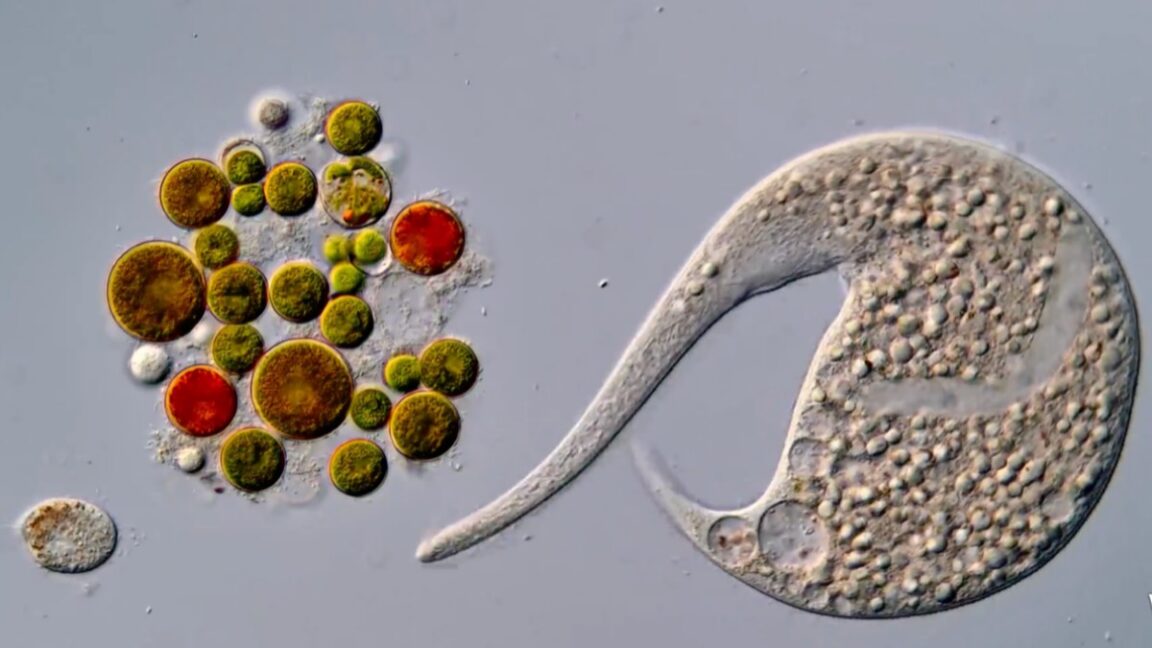
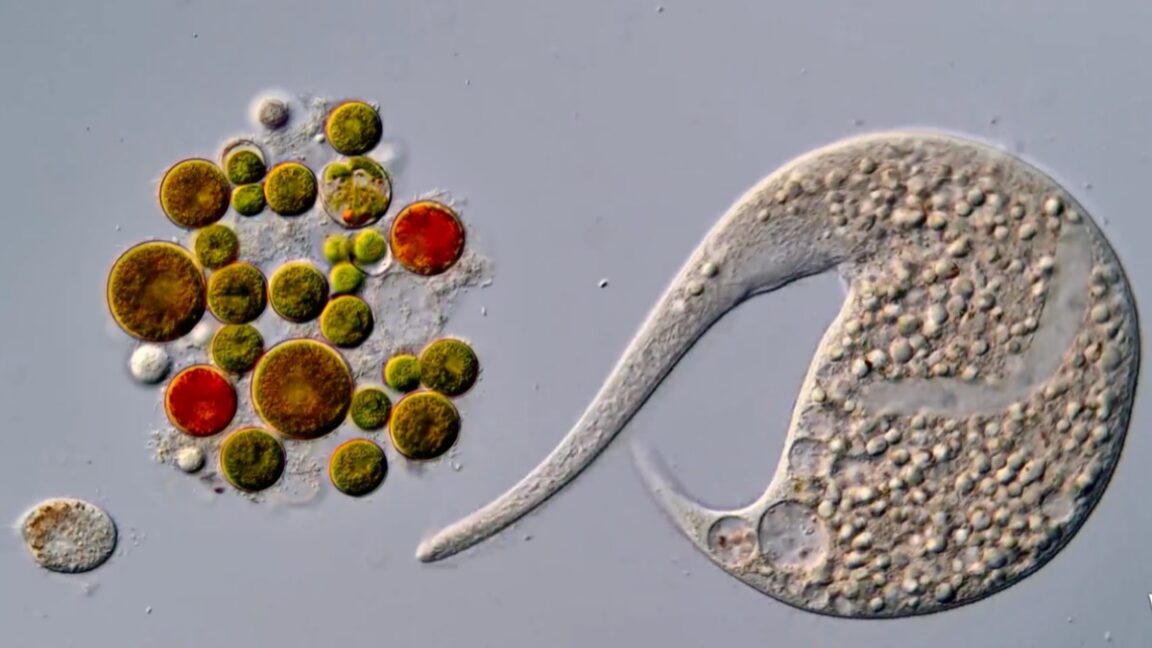
Nikon reviewed the results of the Small World in Motion 2026 video competition after complaints from scientists, including former competition judges, appeared on its LinkedIn page regarding Ning Xu's work from Tsinghua University. The video about cilia beating in the airways of a child with primary ciliary dyskinesia (PCD) was stripped of its victory: the judging panel re-evaluated the recording and accompanying materials and found it did not meet authenticity criteria regarding generative AI. Robert Hurst from the University of Leicester, who heads the NHS PCD diagnostic center, stated that the cilia and cells in the recording "do not look like PCD patient cells at all," and according to BBC, structural anomalies and traces of AI watermarks were found in the files. The author themselves explained the use of AI only as "highlighting and visualizing details on reconstructed halftone frames" and denied generating the animation itself. After the rankings were recalculated, Nguyen Nam Nhat from Vietnam came first with a clip about a roundworm and the single-celled predator Dileptus (DIC technique, 40x magnification), followed by Benedikt Pleyer from Bavaria and Andrew Moore from the Howard Hughes Medical Institute; updated galleries have already been published on nikonsmallworld.com.
Context
Small World in Motion is the video version of the well-known Nikon Small World micro-photography contest; the video competition has been held since 2011. Its regulations, like those of most scientific imaging competitions, allow processing to improve visibility but prohibit generative AI that creates the scene itself. The gray area between these poles has existed for a long time: restoration models that "visualize details" on reconstructed halftone frames are inherently generative, so the boundary between allowed post-processing and prohibited generation is unclear to both authors and judges. There have been virtually no high-profile precedents of winners being disqualified from major scientific imaging competitions specifically due to generative AI rules before this case, so the selection was made without a standardized methodology: the decisive role was played by subject-matter expertise from domain specialists and indirect traces in the files themselves, rather than an automated forensic pipeline.
Why this matters for the industry
For the industry, the effect is procedural rather than product-based: the case involves neither a new product nor a ready-made API, but Nikon directly announced a review of the rules and evaluation procedures for Small World and Small World in Motion, and in the coming months a wave of regulation amendments will likely reach other scientific imaging competitions and journals — with mandatory submission of original frames and formalized classification of acceptable post-processing. A minimal workflow for organizers is already reproducible now: a declaration field "was AI used and how" with categories for enhancement and generation, upload of original frames, file hashes, and a decision log; there are no off-the-shelf products for this in the sources, so the niche for provenance services and expert routing remains open. Teams with media pipelines should conduct an inventory of generative and probabilistic operations on frames and check their own feature descriptions: everywhere a product promises "AI enhancement," clients under new norms may read "generation," which narrows acceptable scenarios in science and creates a GTM limitation for "AI enhancement" solutions. Engineering takeaway: a polished output that passed even a competition "demo" failed the authenticity check, and it was caught not by automation but by domain experts — biological plausibility check remains the most reliable detector, but it does not scale without involving specialized experts. On the horizon of a couple of years, data authenticity may become a separate axis of evaluation for scientific visualization: domain expertise plus forensic analysis of original files plus a declaration of AI tools used.
Why this matters for users
For the reader, the main practical lesson is that narrow subject-matter expertise worked faster than any automation: a PCD specialist recognized the discrepancy precisely because they have seen what clinical samples look like for years. Authors of scientific and popular science visualization are now directly interested in preserving original frames and pre-emptively documenting which AI tools were used and for what purpose, because the requirement for raw data and a declaration of "enhancement or generation" will quickly become the standard for competitions and journals. Readers should perceive "enhanced" images as an interpretation, not as a direct recording of the shot: generative enhancement is getting cheaper, and verifiable trust in a frame is becoming a scarce asset, and distinguishing a fake by eye without training is no longer possible. A separate guideline for authors: applications where AI was used only to improve visibility must still be accompanied by original frames and an explanation of the operations, otherwise even honest work risks failing the authenticity check.
What is still unknown / limitations
The BBC-mentioned traces of AI watermarks in the files are the only declared forensic channel in this case, and they have not been independently verified: marks are erased during re-encoding and are susceptible to forgery, and detection gives false positives, so turning them into a ready-made market signal is premature. The promised updated Nikon rules and evaluation procedures have not yet been published — the sources only contain a statement about the review, without details. It has not been disclosed which specific AI tools and operations the author used and exactly where the judging panel drew the line of non-compliance. Finally, it is unclear whether other competitions and journals will copy Nikon's model with mandatory raw data and AI declaration: as of today, this is an expectation, not a confirmed fact.
Sources
- AI disqualification yields new Nikon Small World in Motion winner — Ars Technica
- Nikon Small World in Motion Video Statement — official Nikon statement
- Prize-winning image which sparked backlash was AI-generated, Nikon rules — BBC News (Zoe Kleinman)
Author
Look at AI, editorial team