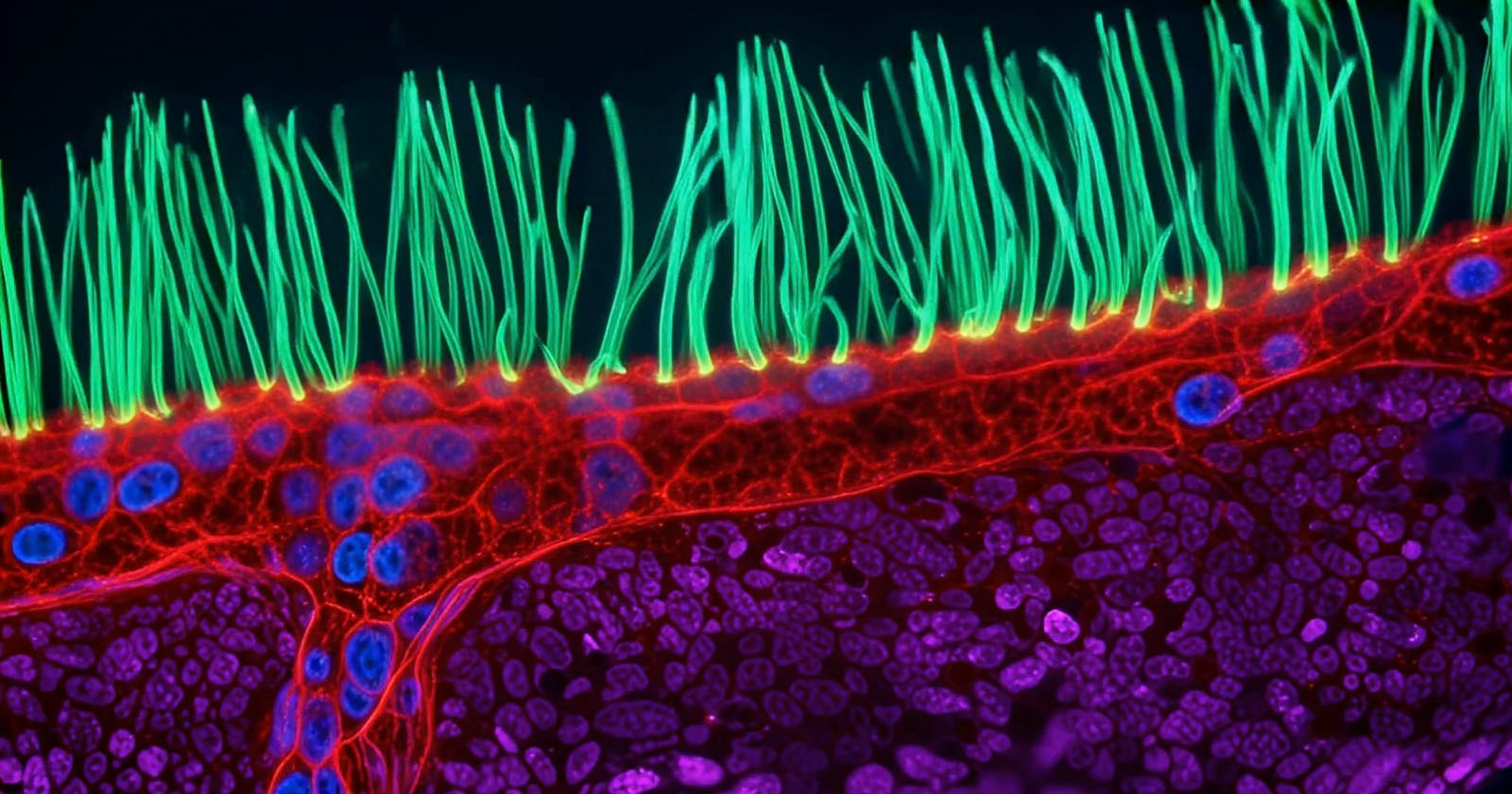
Nikon is re-reviewing the video work of Ning Xu, which won first place in the Small World in Motion microvideo contest, after scientists accused the use of AI: the video of cilia movement in the lungs showed physical inconsistencies, and running the video through Google Gemini revealed an invisible SynthID watermark indicating AI generation of fragments. The author of the work acknowledges AI coloring of structures in post-processing but denies violating the ban on AI videos.
What happened
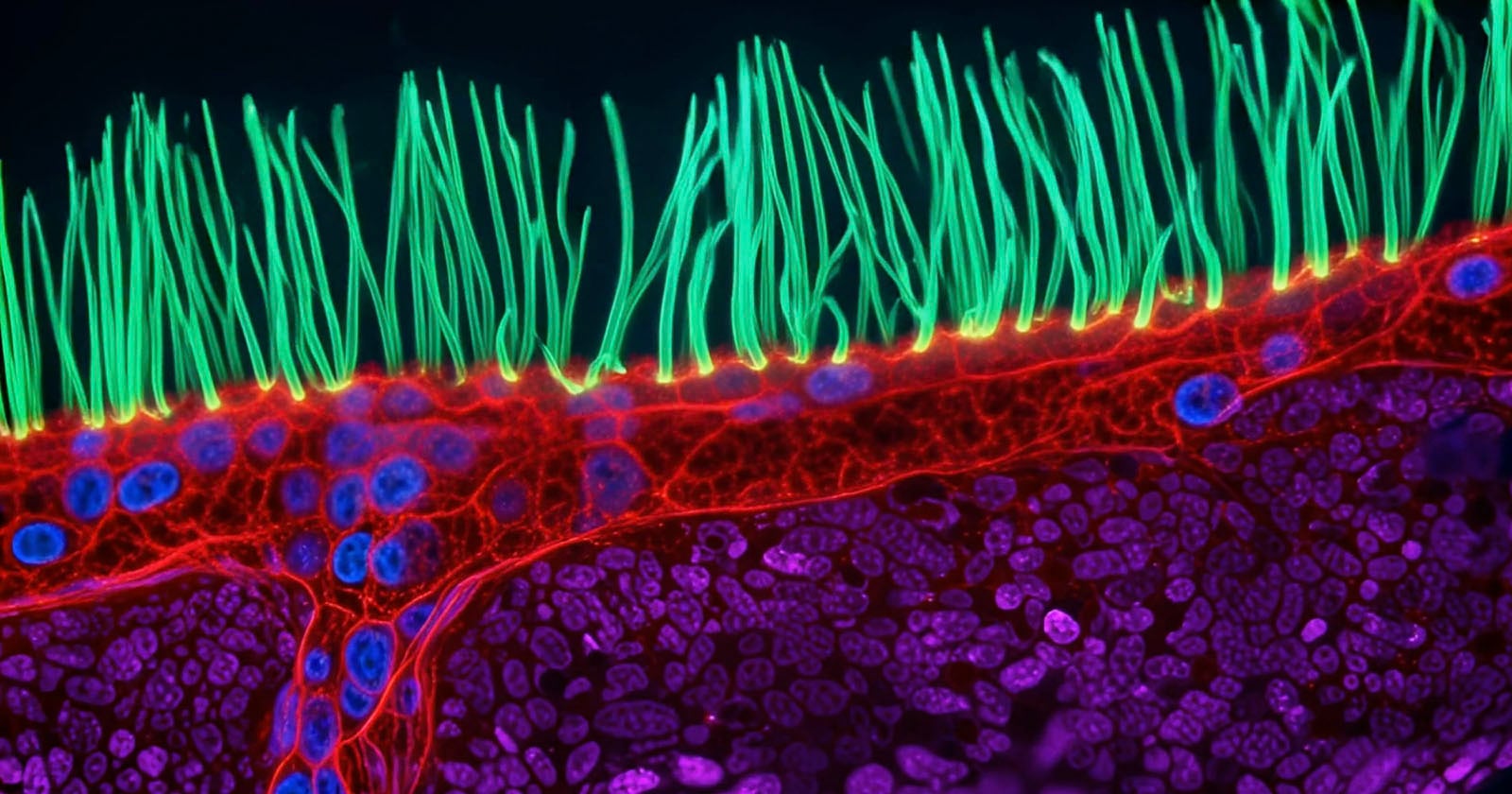
On September 16, 2026, the video work of Dr. Ning Xu, an optical engineering researcher at the National University of Singapore, won first place in the Nikon Small World in Motion contest: the video showed the movement of cilia in the lungs. Later, researchers Edward Phelps from the University of Florida and UT Southwestern MD/PhD program student Ian Donovan publicly analyzed the work and pointed out logical inconsistencies: “purple structures appear and disappear,” and the cilia do not match known sizes. Then, running the video through Google Gemini detected an invisible Google SynthID watermark, indicating AI generation of fragments. Xu confirmed using an AI model in post-processing to color structures but denies violating the contest rule “AI-generated videos are not permitted.” By October 1, his LinkedIn posts and profile had been deleted, and Nikon announced on LinkedIn that it is “carefully re-examining” the winning entry.
Context
Small World in Motion is a Nikon contest that evaluates video works shot through a microscope; its rules explicitly state “AI-generated videos are not permitted.” The problem is that the regulations do not provide a measurable definition of the boundary between processing and generation, and the AI coloring stage applied by the author falls exactly into this gray zone. The signal at the center of the dispute is structured as follows: SynthID is an invisible watermark that Google's generative models embed directly into the pixels of the result, and it can be seen through the company's regular products, such as Google Gemini. Until recently, detection of generative content remained a mostly theoretical topic, and this case became the first high-profile instance where pixel marking publicly worked as an expertise tool in a real scientific dispute. It is also important that the scientists' analysis did not reduce to the watermark: physical plausibility, i.e., the consistency of structures by size and the behavior of objects in the video, became an independent verification channel.
Why this matters for the industry
For the industry, this is the first public verification of watermarks in production, not in the lab: SynthID survived AI post-processing of the video and was read through an existing product, meaning detection of generative content has become a ready-made building block. Fragment verification is operationally simple — one run of the video through Gemini for SynthID with minimal cost and latency, so any organization accepting video or images, from contests to editorial and platforms, can already include such a step in triage along with a request for source files. The main trap is platform dependence: the authenticity signal is embedded in the pixels and controlled by a single vendor, so the signal should be interpreted cautiously without knowledge of the applied model and the proportion of altered frames, and demand for independent detectors and benchmarks for watermark robustness to re-encoding will grow. A likely consequence will be a revision of scientific contest rules: explicit separation of AI post-processing and AI generation, mandatory source files, and automatic checks of entries for watermarks, while depositing RAW visualization data may become an expected norm similar to open code.
Why this matters for users
For readers, the case provides a simple practice for checking suspicious videos and “achievements” in scientific visualization. The first channel is physics: objects appearing out of nowhere, structures behaving unphysically, plus size mismatches with known data. The second is quick screening: it is enough to run the video through Gemini for an invisible watermark, and the community is already using this as a standard filter. The third, most reliable channel is requesting the original RAW video from the microscope: until the author publishes it, the work is reasonably considered unverified, and this is why the burden of proof has effectively shifted to the author. The price of reputational risk is visible directly in this case: the winner lost his LinkedIn posts and profile in a day. If Nikon disqualifies the winner, it will set a precedent for all scientific photo contests.
What is still unknown / limitations
The SynthID output is a probabilistic signal, not a verdict: the watermark itself does not distinguish scenarios, and both generated frames and generative coloring of real frames leave it if the tool is generative. From the sources, it does not follow what exactly the found mark means in relation to this specific pipeline — whether it is about generated frames or the AI coloring stage; the applied model and the proportion of altered frames are also unknown, so confident interpretations of the signal are methodologically incorrect, and a negative verification result, in turn, does not prove the authenticity of the material. The outcome of Nikon's re-review has not been announced as of publication, and the author's violation of the ban has not been established: Xu denies the violation.
Sources
Author
Look at AI, editorial