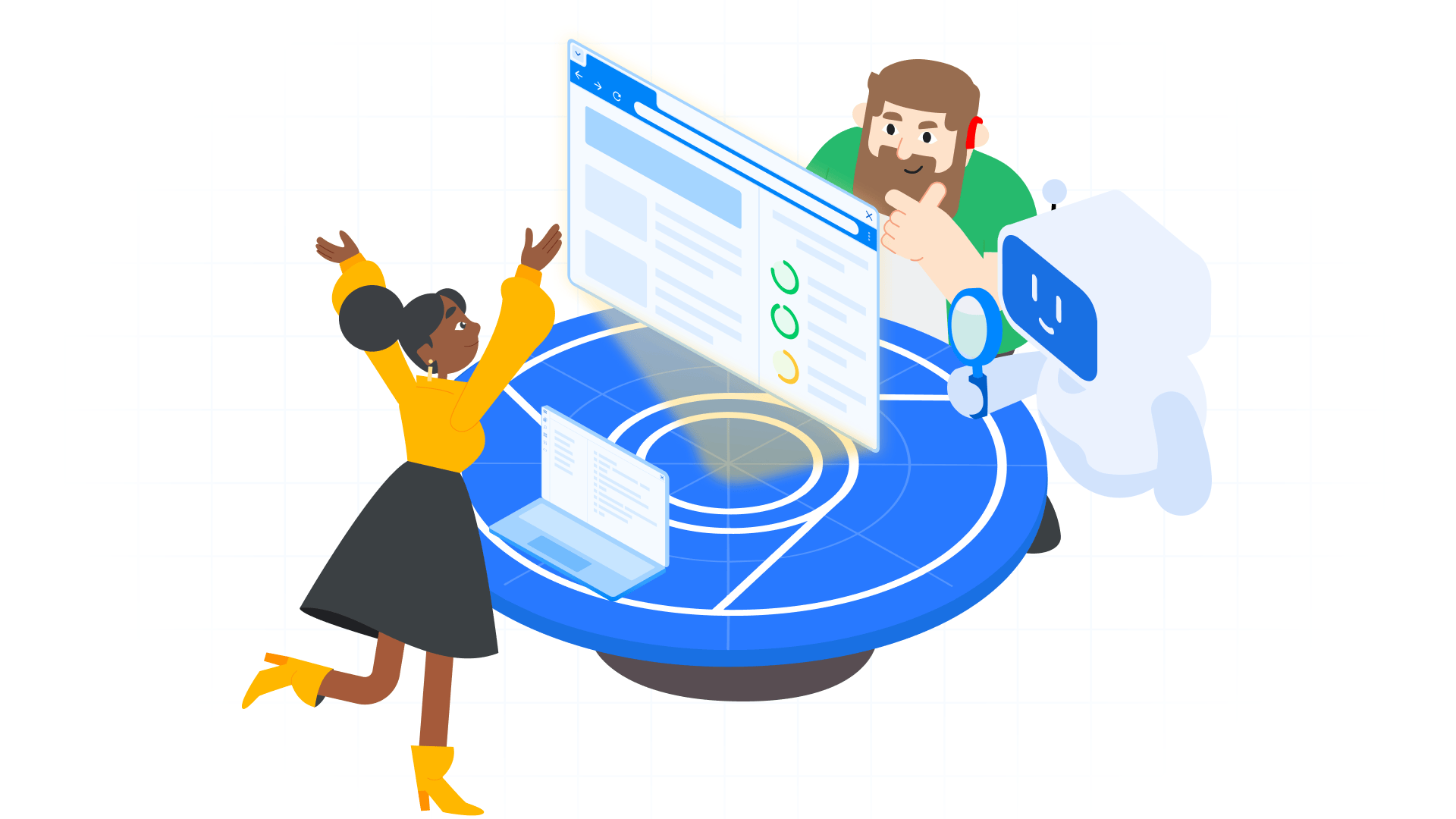
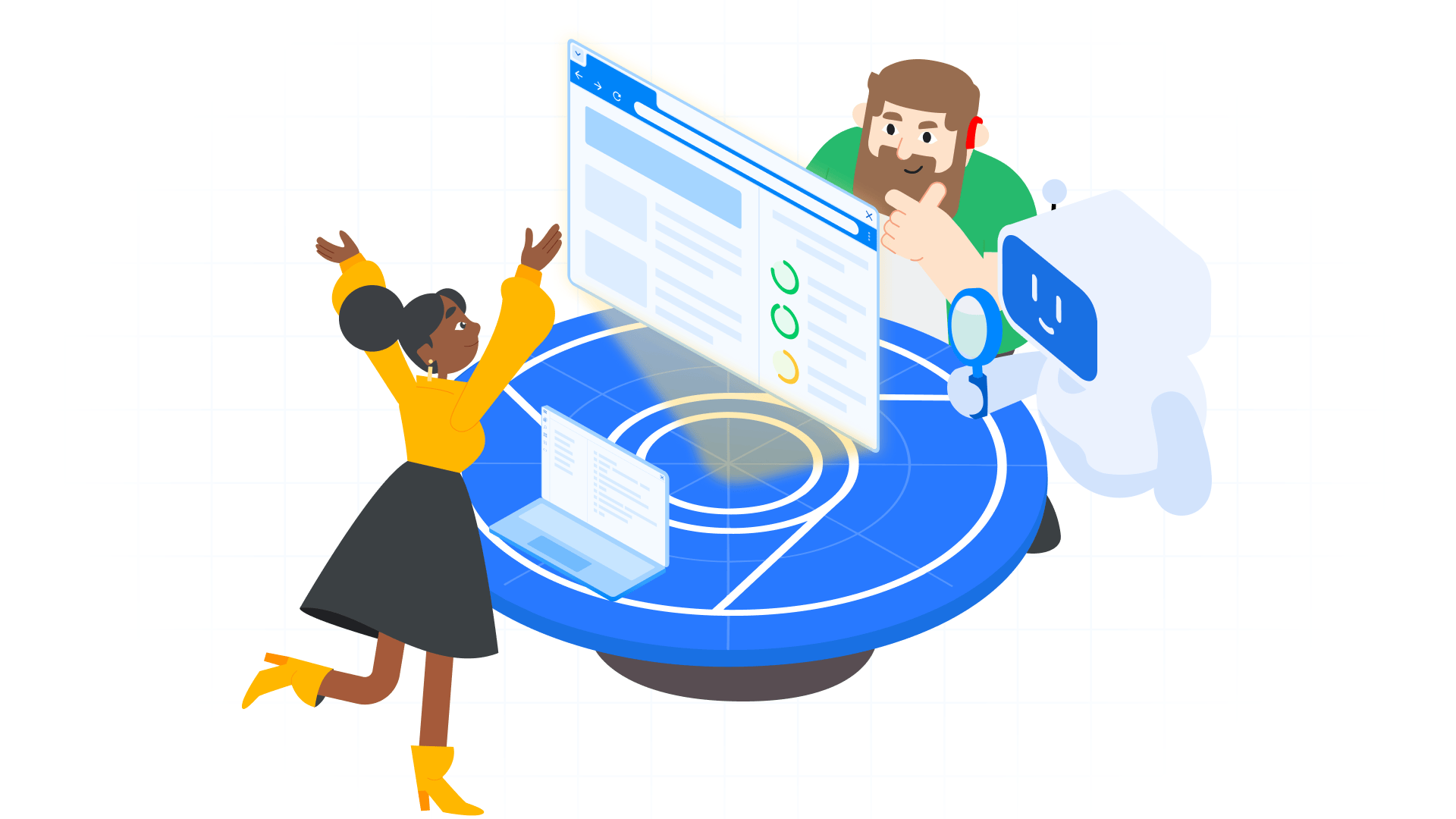
Google Chrome now has an official set of skills called Modern Web Guidance — files containing web platform expertise that can be connected to coding agents like Claude Code, Copilot CLI, Cursor, and Antigravity so they write modern code rather than outdated legacy patterns. It contains over a hundred scenarios: from native HTML and CSS features instead of extra JavaScript to interface speedups based on Core Web Vitals and CSP configuration. The set is distributed as an official Google npm package and is installed with a single command, and paired with the chrome-devtools MCP server, the agent itself opens Chrome, measures performance, and fixes the issues found. The source code is open, but the project is currently in early preview status.
What happened
The skills are distributed as an official npm package from publisher GoogleChrome: the current version 0.0.189 was updated on 14.09.2026, while the files themselves are updated almost daily, and installation is reduced to the command npx modern-web-guidance@latest install. After connection, the agent gains access to over a hundred scenarios. Some of them teach replacing extra JavaScript with native platform features: the dialog element, Popover API, CSS Anchor Positioning, and container queries. Other scenarios are dedicated to speeding up the interface based on Core Web Vitals metrics LCP and INP, configuring CSP without breaking the application, organizing passkey login via WebAuthn, and modernizing legacy code taking cross-browser compatibility into account based on Baseline data. The source code is open in the GitHub repository GoogleChrome/modern-web-guidance-src, and the project status is early preview. Along with the skills, Google recommends the official chrome-devtools MCP server: the ChromeDevTools/chrome-devtools-mcp project on GitHub has collected 52.2 thousand stars, and its current release v1.9.0 was released on 08.09.2026.
Context
The reason for the set's appearance is the systemic weakness of AI code generation: models rely on parametric memory frozen at the training date, while the web platform changes faster than retraining cycles, so agents regularly reproduce outdated legacy patterns. Google solves this architecturally: knowledge about the platform is moved from the model's memory into versioned machine-readable skills with almost daily updates. From the perspective of ML methodology, this is retrieval augmentation and context engineering, that is, known approaches without scientific novelty, but with a real effect: the model's memory is replaced with current browser compatibility data from Baseline. The second half of the solution is the connection with chrome-devtools-mcp, which gives the agent execution-based feedback: performance traces, screenshots, network and console inspection, that is, checking the result in live Chrome based on objective ground truth, not static recommendations. A closed loop of 'generate code, open Chrome, measure, fix' arises, and the release itself can be read as an admission by a vendor of Google's level that parametric knowledge about the platform becomes outdated and needs to be distributed separately from models.
Why this matters for the industry
For the industry, this is not just another utility, but a platform play for the default context through which agents of millions of developers will pass: Google is officially turning accumulated web standards — Baseline compatibility, Core Web Vitals, CSP, and WebAuthn — into a machine-readable layer operating on the logic of 'official documentation as a product.' This is a direct mechanism against the main problem of AI code generation, outdated patterns from training data, and it cheapens maintaining the currency of agent tools without retraining models. In the coming months, independent comparisons of agents with and without skills are expected — by code quality and Core Web Vitals, and following the example of Apple Human Interface Guidelines, machine-readable guides will likely begin to be published by other vendors, and the skills format may be standardized and provided by default in agent tools. In the long term, the combination of external platform knowledge with live execution feedback risks becoming a standard part of the coding agent cycle, and such corpora may also end up in the training data of new models, although the web changes faster than retraining and external sources of truth will remain necessary.
Why this matters for users
For the reader, this is a free way to improve the quality of the code written by their agent: one command connects the entire library of scenarios, after which the agent less often drags legacy into code reviews, knows how to configure CSP so as not to break the application, and knows how to set up passkey login via WebAuthn. If you add chrome-devtools-mcp, the agent itself opens live Chrome, takes performance traces, looks at the network and console, and fixes the issues found, including automatic checking of LCP and INP. For small teams and startups, this is a way to get platform expertise at the level of Chrome documentation without hiring a specialized specialist, and the real effect should be checked on your own project. For iOS projects, Apple Human Interface Guidelines plays a similar role: these recommendations are convenient to feed to an agent like Claude as context.
What is still unknown / limitations
The published materials do not contain a single quantitative comparison of an agent with skills versus an agent without them: no code quality metrics, no LCP and INP measurements before and after, so the thesis about quality growth remains a hypothesis, not a measured result. The early preview status and version 0.0.x mean possible breaking changes, and almost daily file updates mean that the behavior of the skills may change significantly from week to week. Expectations regarding the standardization of the format, default provision of skills, and the release of similar packages from other vendors are forecasts, not facts from sources.
Sources
- Modern Web Guidance | Chrome for Developers
- Chrome DevTools for coding agents (chrome-devtools-mcp) — GitHub
- Human Interface Guidelines — Apple Developer
Author
Look at AI, editorial team