On September 9, 2026, Epoch AI published the interactive tool AI Chip Users explorer (author — Josh You). It systematically estimates not formally owned, but actually used compute resources of five frontier labs — OpenAI, Google DeepMind, Anthropic, Meta Superintelligence Labs, and SpaceXAI — in Nvidia H100 GPU equivalents (H100e).
What happened
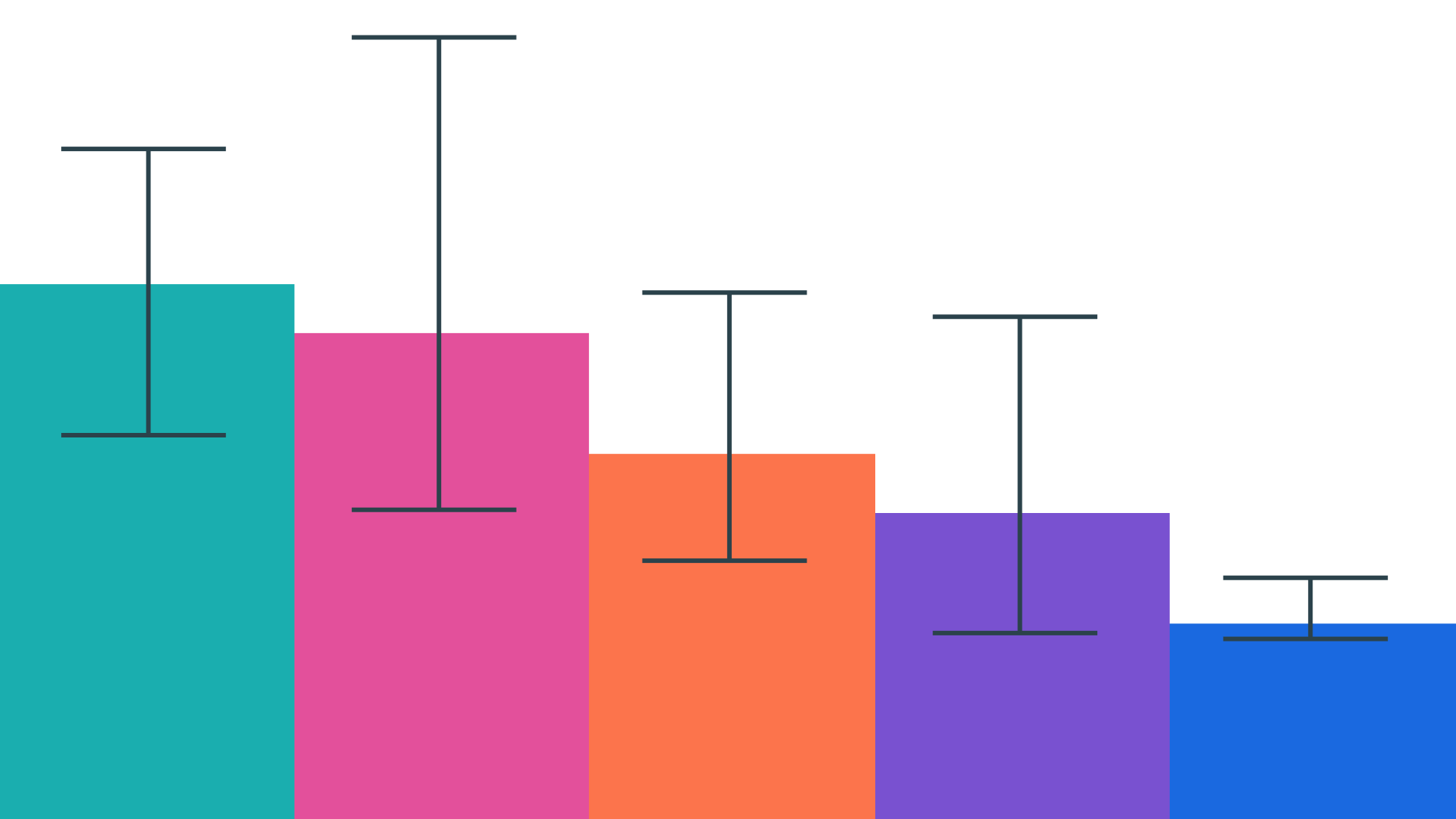
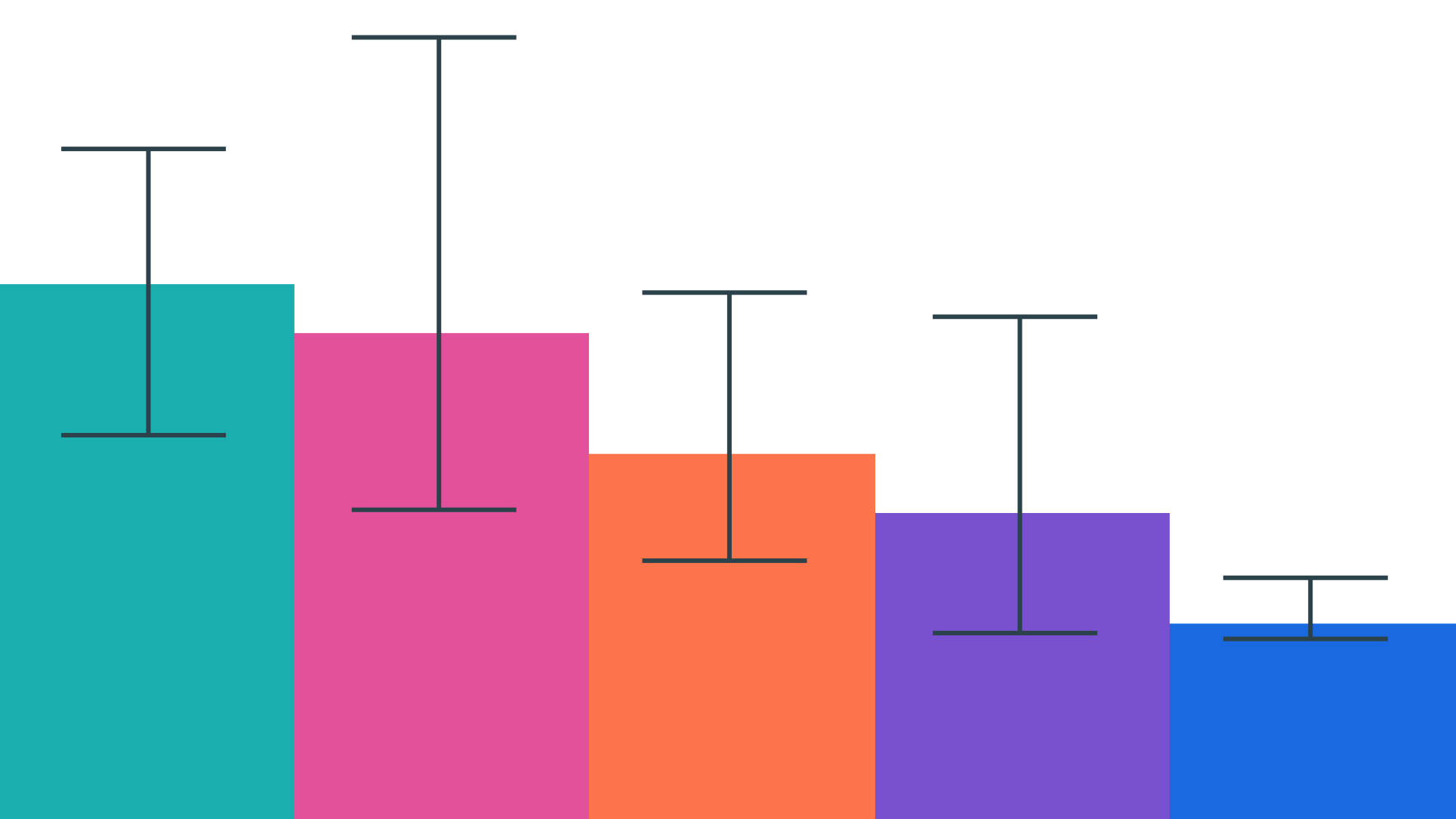
According to Epoch’s estimate, the median values of used compute for December 2025 are: OpenAI around 1.74M H100e, Google DeepMind — around 1.58M, Anthropic — around 1.19M, Meta Superintelligence Labs — around 1.0M, SpaceXAI — around 0.6M. Anthropic increased its used resources roughly sixfold during 2025, while the capacity available to OpenAI grew roughly threefold annually: from ~0.2 GW at the end of 2023 to ~0.6 GW at the end of 2024 and ~1.9 GW at the end of 2025, which in H100e equivalents means a growth of roughly 17-fold over two years, from ~103K to ~1.7M units. For each metric, Epoch provides 90-percent confidence intervals: for OpenAI this is 1.25–2.19M H100e, for Google DeepMind — 1.01–2.55M, and they overlap significantly. The material also mentions OpenAI’s commitment to spend around $50 billion on compute in 2026.
Context
The key methodological step of the tool is distinguishing between used and owned compute resources. OpenAI and Anthropic own almost no “hardware” and rent compute from Microsoft, Amazon, Google, Oracle, and CoreWeave, while Google and Meta own their own fleets but allocate only part of the volume to their AI labs, with the rest going to internal services. Since the labs’ fleets are not directly comparable, Epoch normalizes all capacities into a single H100 equivalent. The difference between the rental and ownership models also determines the market structure: Epoch describes deals in which SpaceX leases compute to Anthropic and Google labs, while OpenAI rents capacity from SpaceXAI.
Why this matters for the industry
For the industry, this is the first public quantitative baseline of actual compute consumption by frontier labs, and it changes the market map: infrastructure, not the models themselves, becomes the main constraint and the main asset of the race. The balance of power among leaders has become measurable for the first time, and the statistical closeness of their estimates shows that technological lead in models cannot be directly read from the size of the compute base. The rental model makes the actual compute base of OpenAI and Anthropic dependent on external providers, while fleet owners are simultaneously landlords. For startups and product teams, public capacity estimates become a citable benchmark and a signal that shortages and prices for frontier-level compute will only grow.
Why this matters for users
The AI Chip Users explorer is available right now: any reader can open it, view estimates for each lab with 90-percent confidence intervals and methodology, and use them as a benchmark when discussing AI news. The practical takeaway for engineers: the tool does not directly change prices and products, but it confirms that the GPU rental market is overheated and growing, so teams with large inference loads should budget for rising rental costs and reserve capacity in advance. Finally, the material explains why news about GPU rentals and labs’ energy consumption has become a standalone news topic that directly affects the cost of AI products.
What is still unknown / limitations
The figures themselves are not reproducible and cannot be independently verified: the underlying data — power contracts, chip purchases — are not published, so the estimates should be read as expert analysis, not as reporting. Normalization to H100e is a rough proxy: it does not account for chip heterogeneity (GPU generations, TPU vs. GPU), fleet utilization, and the difference between compute for training and inference, so a higher number of H100e does not mean a stronger model. Finally, this is an analytical tool and infographic, not a product: there is no API for automatically retrieving estimates.
Sources
Author
Look at AI, editorial team