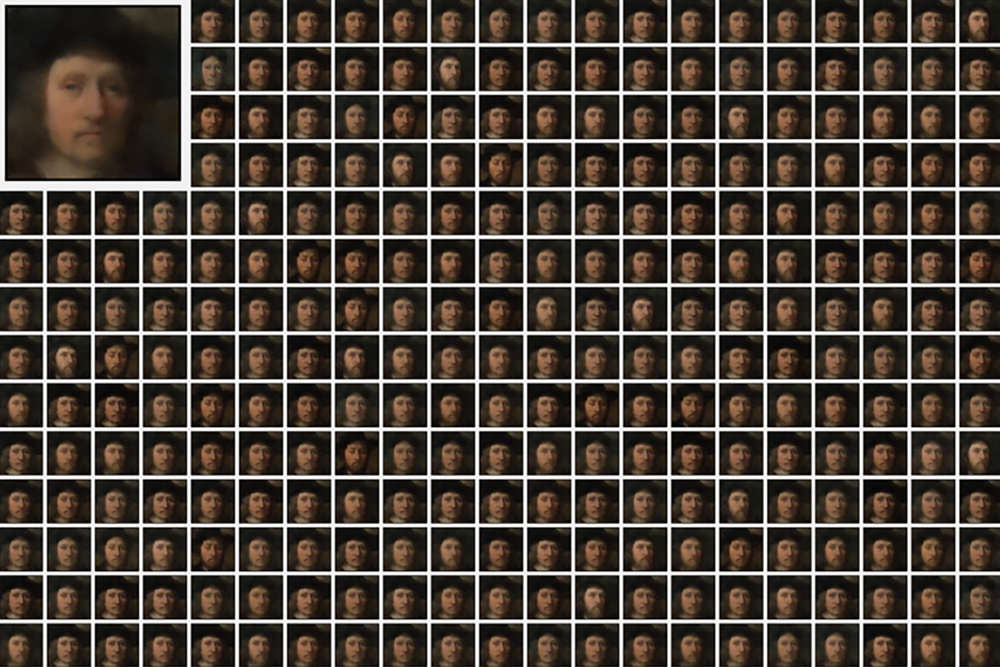
MIT CSAIL researchers — Zheng Dai and Professor David Gifford — published a paper in Nature Communications on August 18, 2026, about the phenomenon of "attribution decay": the more training data a diffusion model has, the weaker the connection between a specific example from the training set and a specific generated image. Accuracy was ensured by an unusual construction — a "diffusion ensemble" of many small models, where to check "what if we remove this example" it is enough to turn off the components that saw it. On seven datasets, the authors showed: with large sample sizes, removing one photo, all works of one author, or all photos of one person stops changing the model's output. For the industry, this is a new argument in copyright disputes and simultaneously a tool for precise verification of such claims.
What happened
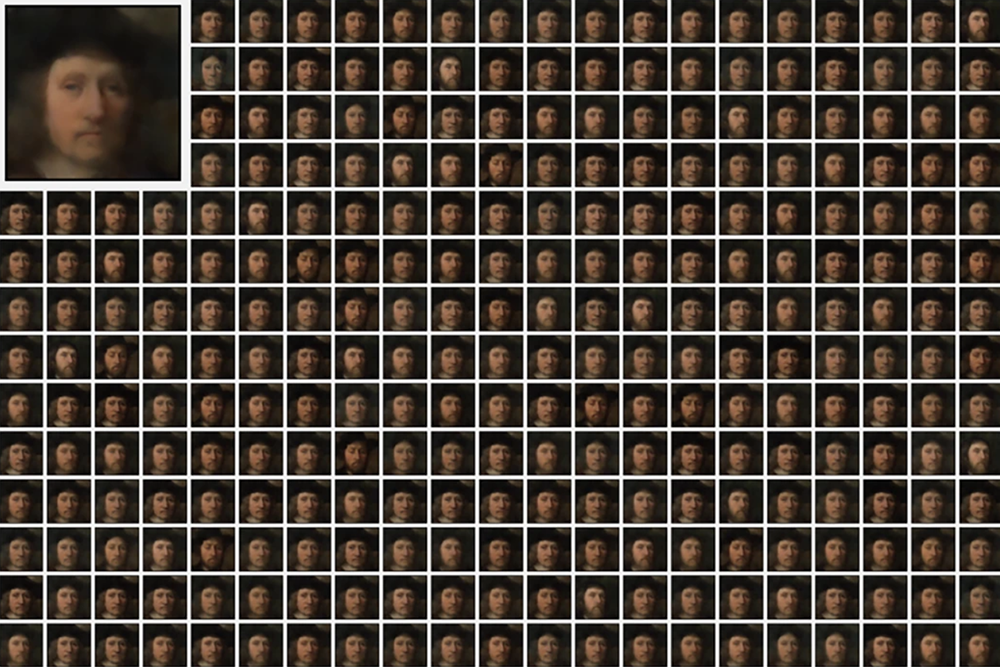
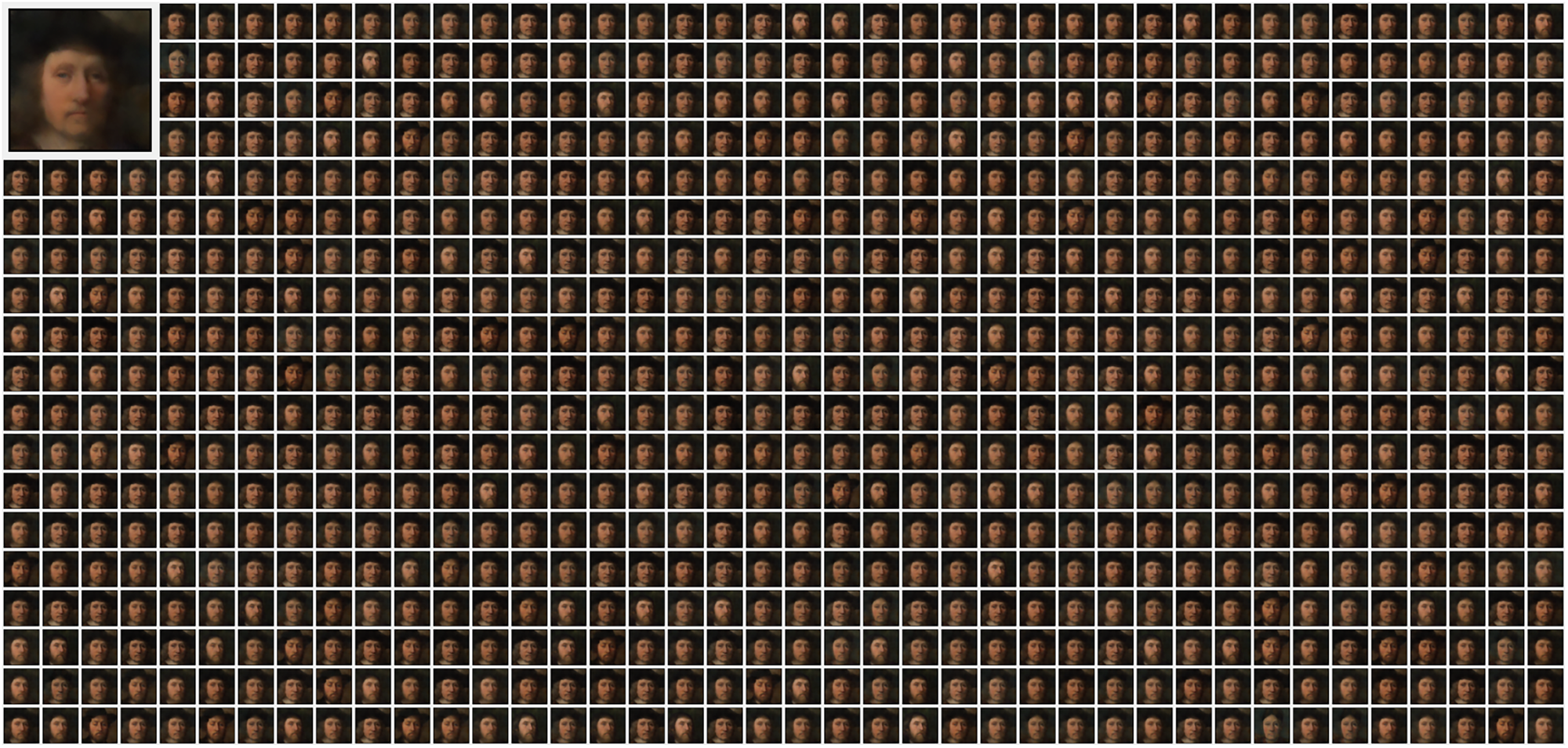
On August 18, 2026, a paper by Zheng Dai and Professor David Gifford from MIT CSAIL was published in Nature Communications about what trace an individual training example leaves in the output of diffusion models. Instead of millions of model retrainings for the counterfactual "what if we remove this example," the authors assembled a "diffusion ensemble": many small models, each trained on its own data shard, so excluding an example reduces to turning off the components that saw it, and becomes exact, whereas influence functions, TracIn, and TRAK give only approximate estimates. Thanks to Sperner's theorem, a component is enough O(log N) instead of O(N), although at a corpus of about a billion examples, this is still dozens of full trainings. In total, 24 ensembles were assembled on samples from 256 to 162,770 images from seven datasets, including MNIST, Fashion-MNIST, CelebA, MetFaces, and ArtBench; in stress tests, 1,282 separately trained models were used. The "attribution decay" itself is described by an inverse power law: as the training set grows, the counterfactual radius decreases, and at large volumes, removing one picture, all works of an artist, or all photos of a person does not change the generated result.
Context
The problem of generation traceability is old: influence functions, TracIn, and TRAK approximately estimated the contribution of training examples, and exact verification required retraining the model for each hypothetical deletion — at real data volumes, this is millions of trainings that no one can afford. The MIT CSAIL work moves the question from the computational plane to the architectural one: if you train not one model, but an ensemble on shards, data exclusion becomes a manageable operation, not an expensive hypothesis. Professor Gifford makes two important clarifications: compositions of entire data shards are still subject to attribution, and companies claiming that their outputs are not derivative works are obliged to strictly prove this with similar counterfactual methods. In other words, the decay of individual attribution does not cancel the question of the origin of generations, but shifts it from the level of a single image to the level of datasets and the model as a whole — it is there that arguments about the origin of data will now be built.
Why this matters for the industry
The main addressee of the result is the legal teams of AI companies and ongoing copyright disputes. If removing a specific painting by an artist or all photos of a person does not change the model's output, it becomes difficult to consider a generated image a derivative work of a specific author, and demands for compensation and licensing lose their basis. At the same time, rights holders and auditors get a verification criterion: vendors' claims about the purity of training data can be required to be supported by counterfactual measurements, and the negotiating weight of dataset platforms and corpus authors grows from this. Engineers get a template "train on shards to be able to exclude data," but the price is high: an ensemble of hundreds and thousands of small models instead of one large one, without published quality and cost estimates. Within six months, open-source replications and the first counterfactual audit utilities for medium datasets are likely, in the two-year perspective — clauses on provable data exclusion in contracts for training corpora and a verifiable training data market with auditors and certification; however, there is nothing to deploy in production today, and the only thing that converts immediately is an argument in licensing negotiations.
Why this matters for users
The news will most strongly affect ML engineers and MLOps teams responsible for data management, machine "forgetting" (unlearning), and handling deletion requests: at the request to "remove this photo from the model" at large training volumes, it will increasingly have to be answered that there is no measurable influence of a specific example, and auditing will have to be planned at the level of datasets, not individual files. You cannot try the method on yourself right now — this is a research result without a service, so a realistic first step for such teams is reproducing the ensemble in a research environment on small internal samples. Authors and photographers should revise their expectations: the mass UX pattern "show whose picture went into this generation" at the level of a single example, according to the article, will not survive, so it is more advantageous to build a position in disputes on the corpus of works or the entire dataset. For everyone else, this is a marketing filter: promises of generative services about the origin of outputs should be evaluated by the readiness to show a measurement method, and until such methods are available, skepticism is a rational default position.
What is still unknown / limitations
Direct measurements were made on academic datasets: samples from 256 to about 163 thousand images and ensembles of hundreds and thousands of small models in stress tests; how the effect behaves in commercial models with billions of examples, the work does not show, and talks about automatic reduction of legal risks at this level are extrapolation, not fact. The publication does not have a total compute budget of the ensembles, latency measurements, a comparison of generation quality with a regular monolithic model, and information about the availability of code or API, so before implementation, the main question remains open — how much does generation quality cost when replacing a large model with an ensemble. Legal conclusions also do not follow automatically from mathematics: how counterfactual verification will be taken into account in specific lawsuits about derivative works will only be shown by future practice.
Sources
- MIT News — When AI art has no author: Study finds generated images often can't be traced to training data
- Nature Communications — Outputs of generative diffusion models are often unattributable (2026), DOI 10.1038/s41467-026-75667-5
Author
Look at AI, editorial team