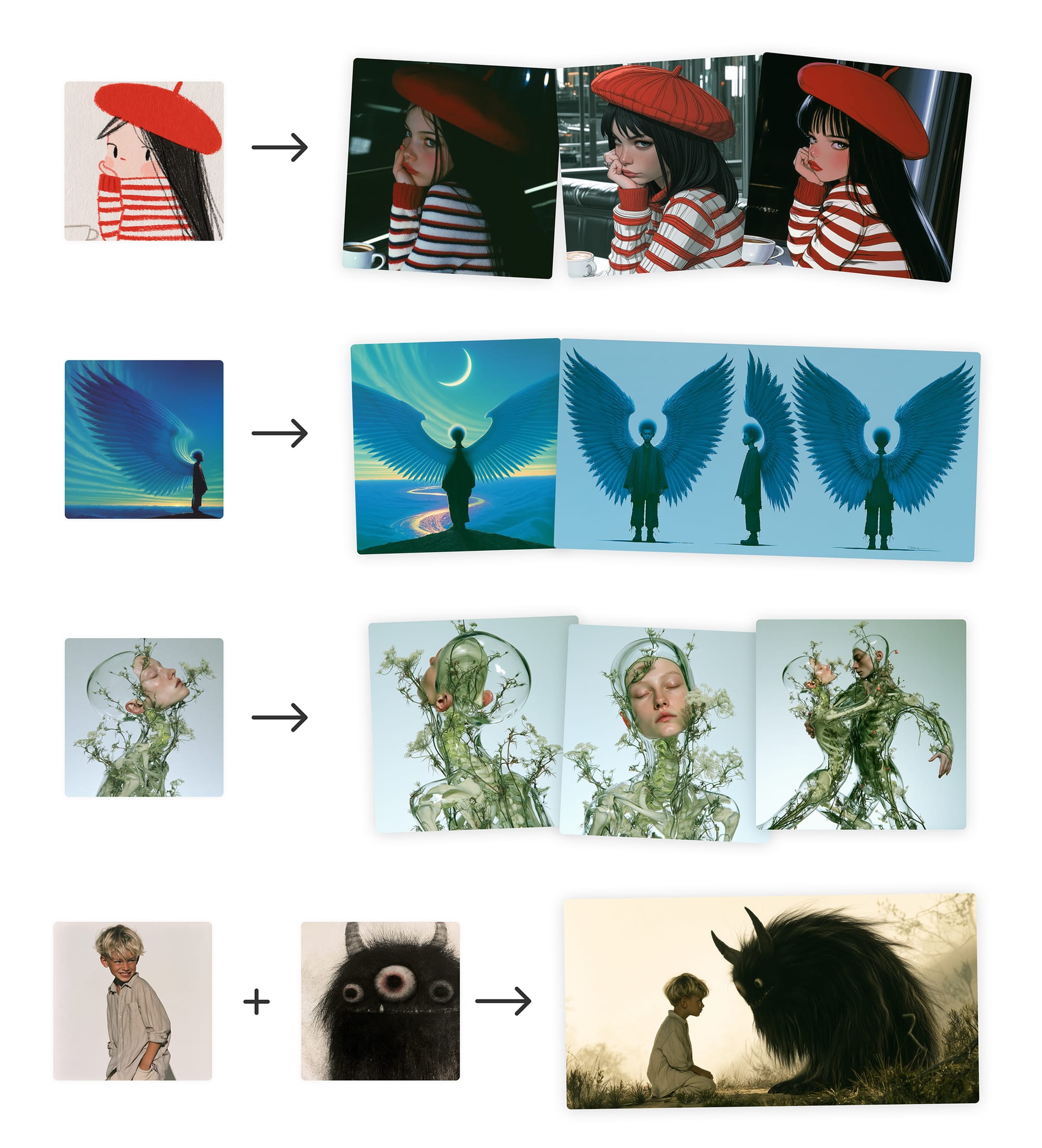
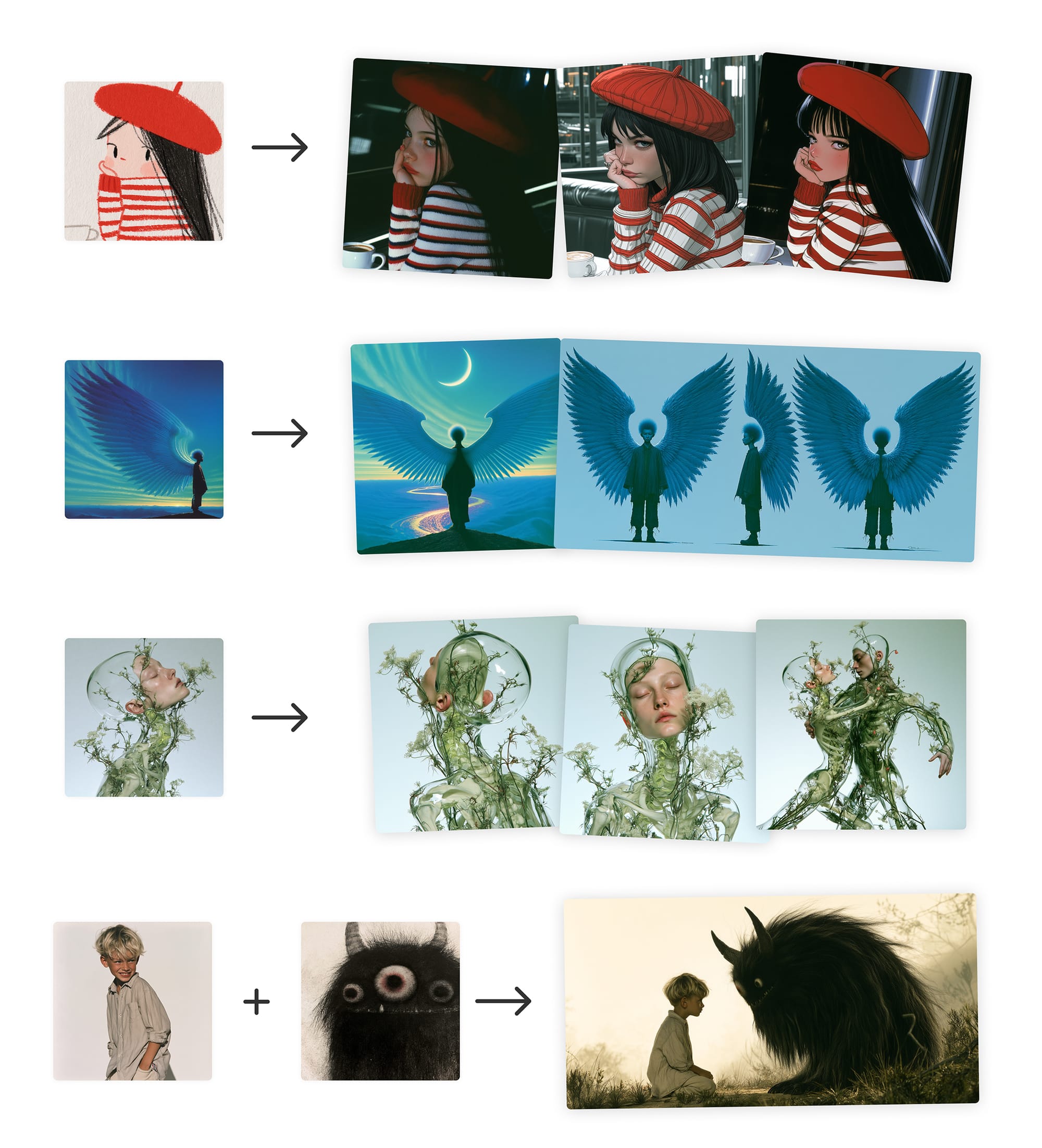
Midjourney has opened public beta testing for its first image editing model, Edit, for version V8.2: the announcement titled “Edit Model for V8” was published on the company's official blog updates.midjourney.com on August 27, 2026. The model modifies existing images based on text instructions, accepts up to four reference images, can repaint selected areas, and extend the canvas beyond the original boundaries. The tool is available to all subscribers without an additional fee: edits consume regular subscription GPU time, and the model can be launched immediately via the website or Discord.

What happened
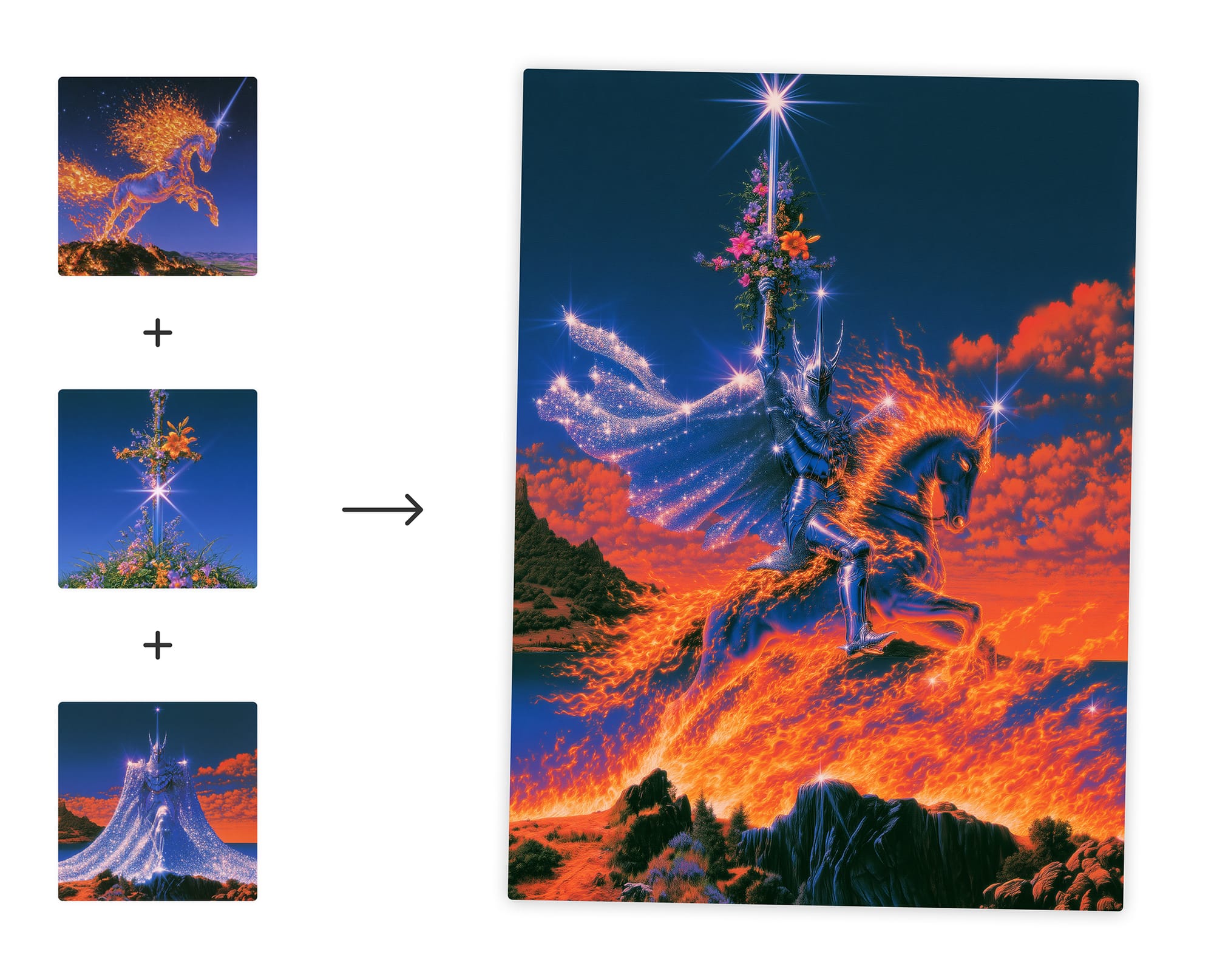
The “Edit Model for V8” announcement was published on the blog updates.midjourney.com on August 27, 2026, opening public beta testing for Midjourney's first editing model. The model edits images based on text instructions, repaints selected areas (inpainting), extends the canvas beyond the original boundaries (outpainting), and works with personalization, moodboards, and style references. Instead of the previous omni-reference mechanism, multi-reference is now used: up to four images can be used simultaneously during generation. The model can be launched by attaching images to a prompt, via the Edit button in the lightbox viewer, via the Editor tab on the website, or with the --edit command and an image URL in Discord; interfaces have been updated on midjourney.com and alpha.midjourney.com. There is no separate price for edits: the model consumes subscription GPU time, and the minimum plan costs $10 per month and includes 200 minutes of Fast GPU Time.
Context
This is the first editing tool of its kind in Midjourney's history, and it closes a noticeable gap compared to competitors: in ChatGPT with GPT-Image and in Google Gemini with the Nano Banana model, iterative text-based image editing has long been the norm. Competition in generative services is gradually shifting from one-off generation to environments for sequential edits within a single editor, and without instruction-based editing, Midjourney's main pipeline looked incomplete in this context. A public beta with a fast correction cycle is a standard format for launching a first version of a model: it simultaneously serves as a distribution channel and a source of user data for iterative fine-tuning.
Why this matters for the industry
For the industry, the main shift is not in a single feature, but in product architecture: instruction-based editing is built directly into the main generation pipeline, meaning image creation and editing converge at a single checkpoint. Since there is no separate fee for editing, text-based editing is effectively commoditized, and competition shifts from one-off generation quality to environments for serial edits, where the measure becomes the consistency of long sessions and the economics of GPU time. The takeaway for startups is strict: a window of about one to two quarters in which value needs to be shifted from basic text edits to industry-specific scenarios. At the same time, no public API has been announced and there is no SLA, so in its current form the tool is designed for manual sessions in the interface, not for automated production pipelines.
Why this matters for users
If you have a Midjourney subscription, you can right now upload an image to the Editor tab on the website or invoke the --edit command in Discord and make several consecutive edits in plain language — without Photoshop or manual masks. This is a ready-made way to build clickable prototypes: refining marketing assets, adapting visuals for different platforms, quick variations of a single layout. Keep in mind that this is an early beta: moodboards and style references in this version work better with additional clarification in the prompt, and the team asks users to report unsuccessful results with an emoji in the lightbox or by sending a jobid.
What is still unknown / limitations
The announcement contains no technical report, quantitative comparisons with GPT-Image or Gemini (Nano Banana), or consistency metrics: the sources are the official blog and demos, meaning the data is of a marketing rather than measurement nature, and actual quality is currently being tested only empirically. The actual GPU-minute consumption per edit is unknown, and therefore the real cost of long sessions is also unknown. Metrics for error accumulation during multi-step editing have not been published — preservation of identity and detail drift, on which the main claimed value of sequential edits depends, even though the team itself warns that complex cases may currently work unstably. Finally, it is unclear whether a public API will appear and when the beta will stabilize.
Sources
- Edit Model for V8 — official Midjourney announcement
- Midjourney V8.2 Launches Image Editing Model with Full Function Support — AIBase News
Author
Look at AI, editorial team