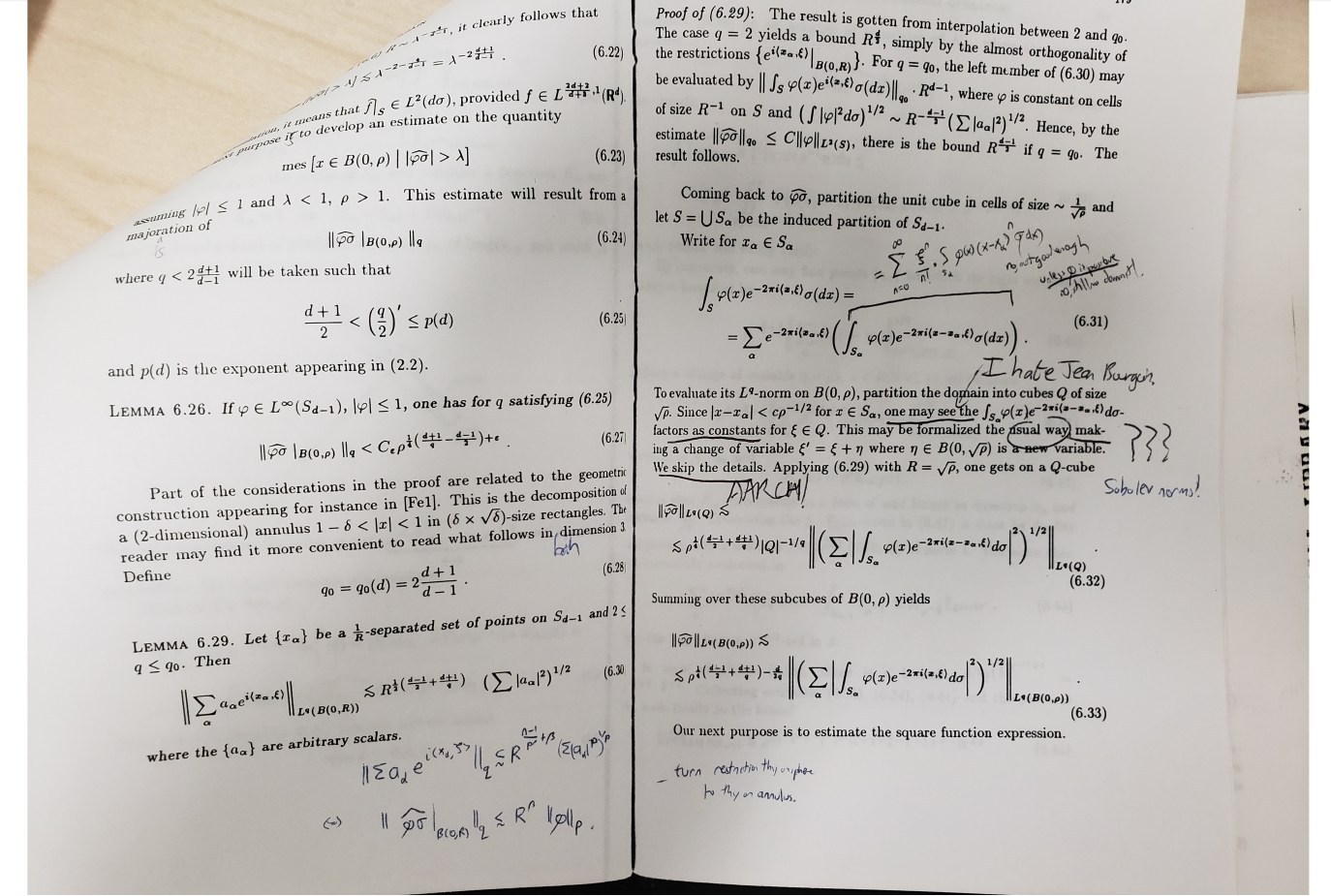
At the International Congress of Mathematicians (ICM 2026) in Philadelphia, distinguished mathematician Terence Tao presented a report titled "Mathematics in the Age of AI." He warned of a transition from a scarcity of proofs to a "proof glut," where the speed of solution generation by artificial intelligence begins to exceed the capacity for human verification and comprehension.
What Happened
In his report at ICM 2026, Terence Tao described a fundamental shift in scientific activity. As evidence of the effectiveness of new methods, he cited data from the First Proof project from May 2026: AI was able to solve 7 out of 10 research problems at a publishable level, with the cost per problem ranging from $10 to $1,000.
Context
The current situation is comparable to the crisis of the foundations of mathematics in the early 20th century. However, the modern challenge lies not in logical contradictions, but in the mismatch of paces. The mathematical process consists of five stages: generation, verification, exposition, acceptance, and canonization. AI radically accelerates the first stage, creating a "bottleneck" for all subsequent stages of human activity.
Why It Matters for the Industry
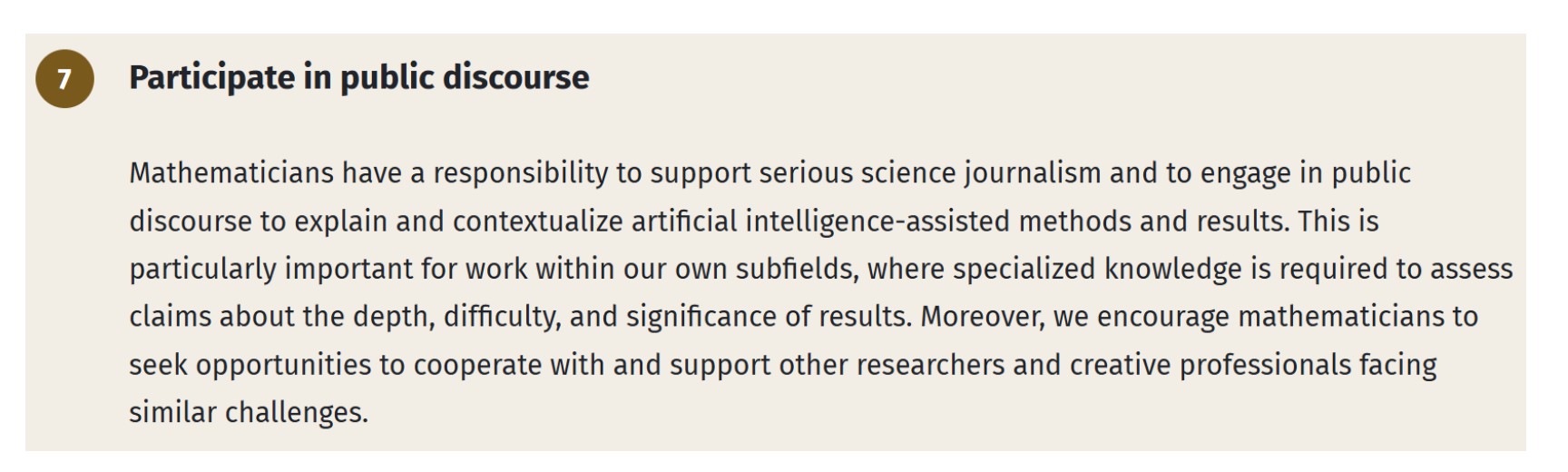
The scientific community faces the risk of "proof indigestia"—a situation where the volume of formally correct but humanly incomprehensible solutions exceeds peer-review capacities. This necessitates the implementation of new standards (such as the Leiden Declaration), formal verification tools, and the integration of LLMs with formal mathematical languages to ensure the accuracy of conclusions.
Why It Matters for Users
AI is ceasing to be just a calculator and is becoming a full participant in the scientific process. For researchers, this means a transition to hybrid workflows, where the ability of a human to interpret and explain results obtained by neural networks becomes a critical skill.
What Is Not Yet Known / Limitations
Differences in focus: technical specialists are focusing on the automation of verification, while humanitarian and legal aspects concern the transformation of social institutions, peer-review standards, and intellectual property issues.
Sources
Author
Look at AI, Editorial Staff